
The Future of Direct Fuel Injection and High-Efficiency Synthetic E-Fuels in Sustainable Mobility
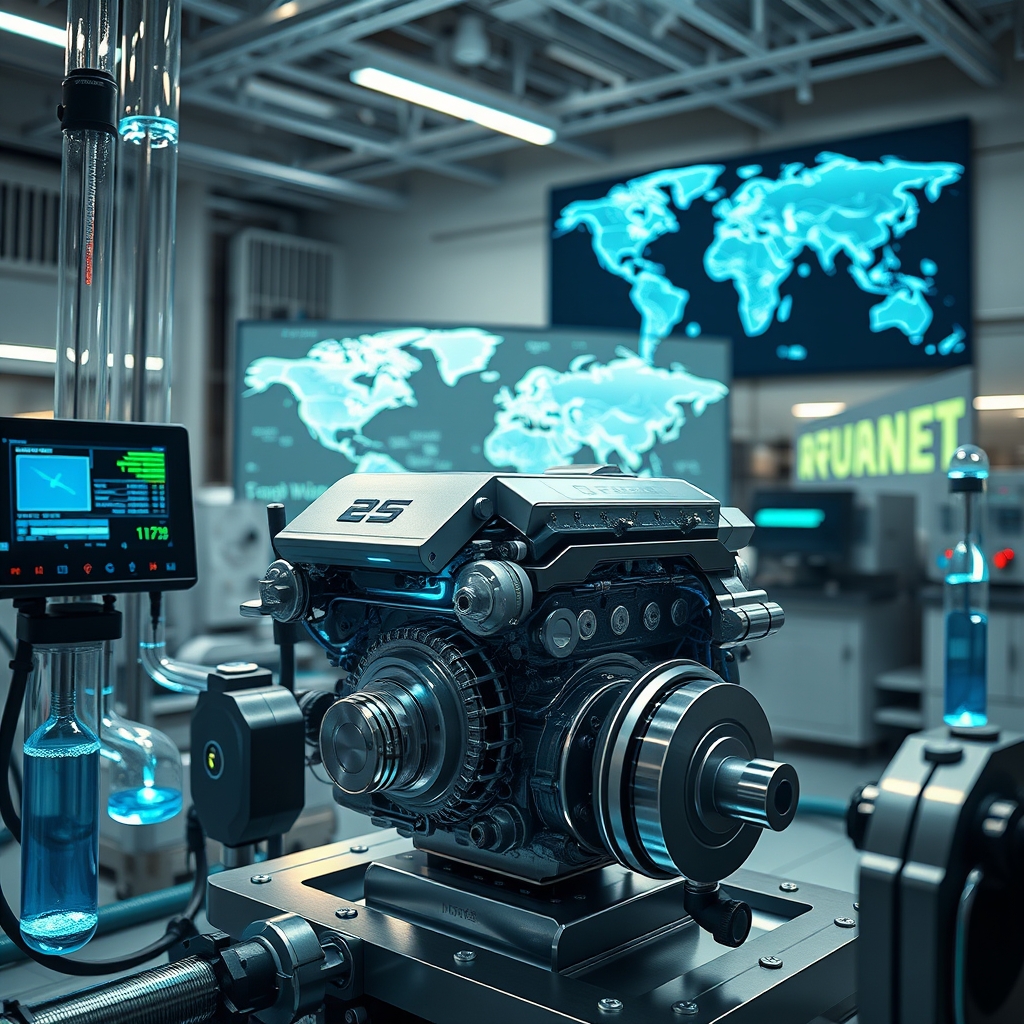
The transportation sector stands at a crossroads, where innovation in fuel technology and engine efficiency must converge to meet the urgent demands of sustainability. Among the most promising advancements are direct fuel injection systems and synthetic e-fuels, two technologies that are redefining what it means to power vehicles in an eco-conscious world. While electric vehicles dominate headlines, these alternatives offer a bridge between today’s infrastructure and a zero-emission future, particularly for industries where electrification remains a challenge.
The Science Behind Direct Fuel Injection
Direct fuel injection (DFI) is not a new concept, but recent advancements have elevated it to a cornerstone of modern engine design. Unlike traditional port injection, where fuel is mixed with air before entering the combustion chamber, DFI delivers fuel directly into the cylinder at high pressure. This precision allows for better control over the combustion process, resulting in improved fuel efficiency, reduced emissions, and enhanced performance. The technology has become a staple in gasoline and diesel engines, but its potential is far from exhausted.
One of the most exciting developments in DFI is its integration with alternative fuels. High-pressure injection systems, for instance, are being optimized for synthetic e-fuels, which mimic the properties of conventional fuels but are produced using renewable energy and captured carbon dioxide. This synergy could unlock unprecedented efficiency gains, particularly in heavy-duty applications like shipping and aviation, where battery-electric solutions are less feasible. Moreover, DFI’s ability to handle a variety of fuel blends—from bioethanol to e-methanol—makes it a versatile tool in the transition to sustainable mobility.
Synthetic E-Fuels: The Carbon-Neutral Game Changer
Synthetic e-fuels, also known as electrofuels, are manufactured by combining hydrogen derived from renewable electricity with captured carbon dioxide. The result is a liquid or gaseous fuel that can be used in existing internal combustion engines with little to no modification. This compatibility with current infrastructure is one of their most significant advantages, offering a seamless transition path for industries reliant on liquid fuels. Unlike biofuels, which depend on agricultural feedstocks and can compete with food production, e-fuels are produced using abundant resources: water, renewable electricity, and CO₂ from industrial processes or direct air capture.
The production process for e-fuels is energy-intensive, which has led to skepticism about their scalability. However, advancements in electrolysis and carbon capture technologies are steadily improving their viability. Countries with abundant renewable energy resources, such as wind or solar power, are particularly well-positioned to become leaders in e-fuel production. For example, projects in Chile and Australia are already demonstrating how excess renewable energy can be converted into e-fuels, turning a challenge—energy storage—into an opportunity for sustainable fuel production.
Bridging the Gap Between Efficiency and Sustainability
The combination of direct fuel injection and synthetic e-fuels represents a powerful alliance in the quest for sustainable mobility. DFI’s precision engineering maximizes the efficiency of e-fuels, ensuring that every drop of fuel is utilized with minimal waste. This is especially critical for e-fuels, where the production process demands significant energy inputs. By optimizing combustion, DFI helps offset the energy costs of e-fuel production, making the entire system more sustainable.
Another key advantage of this pairing is its potential to reduce the carbon footprint of existing vehicle fleets. Retrofitting older engines with high-pressure DFI systems and powering them with e-fuels could extend the lifespan of internal combustion engines while drastically cutting emissions. This approach is particularly relevant for developing regions, where the infrastructure for electric vehicles may not yet be in place. Instead of waiting for a full transition to electrification, these areas can adopt a hybrid model that leverages both advanced engine technologies and carbon-neutral fuels.
The Role of Policy and Industry Collaboration
The widespread adoption of direct fuel injection and synthetic e-fuels will not happen in a vacuum. It requires a concerted effort from policymakers, industry leaders, and researchers to create an environment where these technologies can thrive. Governments can play a pivotal role by incentivizing research and development, offering tax breaks for companies that invest in e-fuel production, and setting ambitious targets for reducing transportation emissions. The European Union, for instance, has already included e-fuels in its long-term decarbonization strategy, recognizing their potential to complement electric vehicles in the journey toward carbon neutrality.
Industry collaboration is equally critical. Automakers, fuel producers, and energy companies must work together to standardize e-fuel production processes and ensure compatibility with existing engine technologies. Partnerships between companies like Porsche and Siemens Energy, which are jointly developing e-fuel plants, demonstrate how cross-sector collaboration can accelerate innovation. Similarly, engine manufacturers are exploring ways to optimize DFI systems for e-fuels, ensuring that the technology evolves in tandem with the fuels it is designed to burn.
Overcoming Challenges and Looking Ahead
Despite their promise, direct fuel injection and synthetic e-fuels face several hurdles. The high cost of e-fuel production remains a significant barrier, though economies of scale and technological advancements are expected to drive prices down over time. Additionally, the energy efficiency of e-fuels is lower than that of battery-electric vehicles, which has led some critics to question their long-term viability. However, it’s essential to consider the broader context: e-fuels are not intended to replace electric vehicles but to complement them, particularly in sectors where electrification is impractical.
Another challenge is the need for a robust infrastructure to support e-fuel distribution. While e-fuels can be transported and stored using existing pipelines and fueling stations, scaling up production will require significant investment in new facilities. This is where public-private partnerships can make a difference, ensuring that the infrastructure keeps pace with technological advancements.
As the world grapples with the urgent need to decarbonize transportation, the synergy between direct fuel injection and synthetic e-fuels offers a compelling path forward. These technologies do not represent a single solution but rather a critical piece of a larger puzzle, one that includes electric vehicles, hydrogen fuel cells, and advanced biofuels. By embracing innovation and collaboration, the transportation sector can move toward a future where efficiency and sustainability go hand in hand, proving that the journey to zero emissions is not a sprint but a marathon of continuous improvement and adaptation.