
The Art of Precision: How Multi-Point and Direct Fuel Injection Systems Optimize Combustion
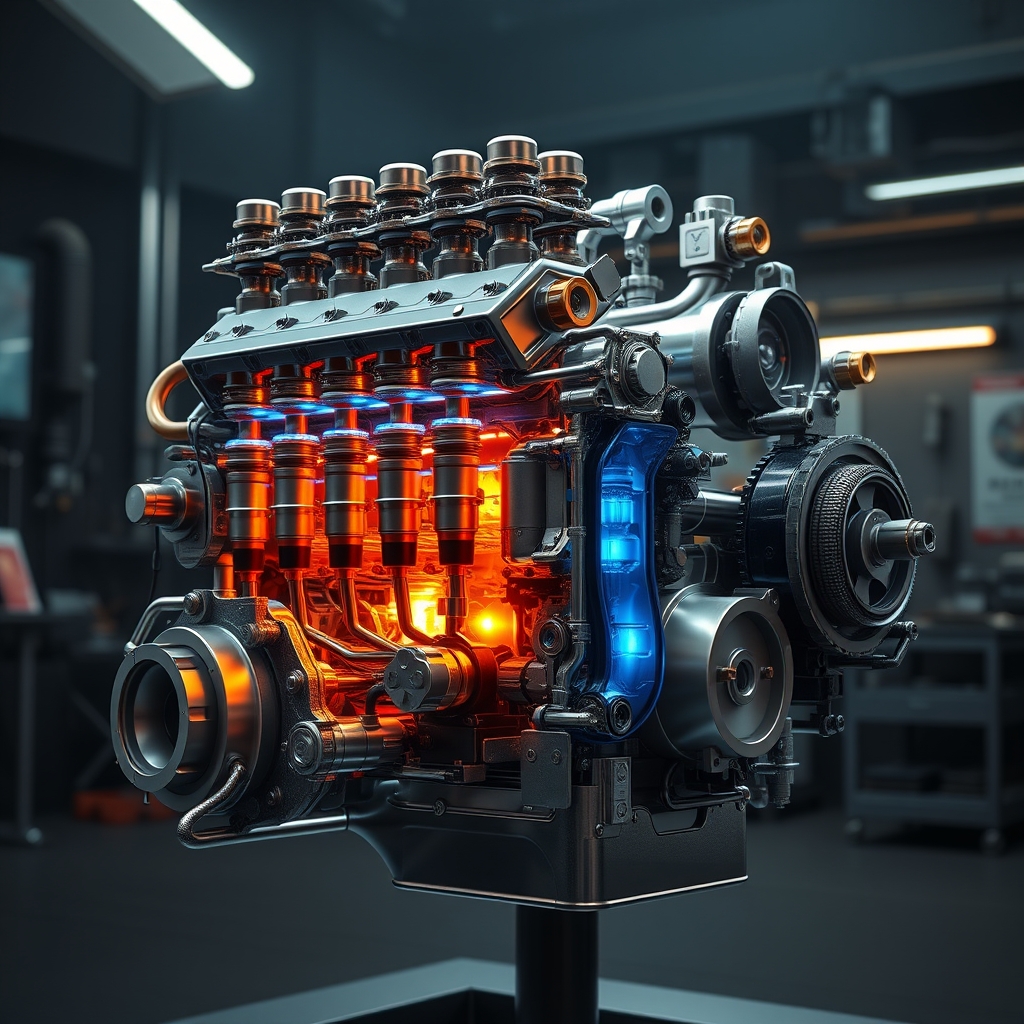
In the relentless pursuit of engine efficiency and performance, fuel injection systems have evolved from rudimentary designs to highly sophisticated networks of precision-engineered components. At the heart of this evolution lies the delicate balance between power, economy, and emissions—a balance achieved through innovations like Multi-Point Fuel Injection (MPFI) and Direct Fuel Injection (DFI). These systems, though distinct in their approach, share a common goal: delivering the right amount of fuel at the right moment to optimize combustion.
The Foundations: Multi-Point Fuel Injection
Multi-Point Fuel Injection represents a significant leap from older carburetion and single-point injection systems. Unlike its predecessors, MPFI employs an individual fuel injector for each cylinder, positioned near the intake port. This design ensures that fuel is delivered directly to the intake manifold, just before the intake valve, allowing for more precise control over the air-fuel mixture.
The advantages of MPFI are manifold. By distributing fuel more evenly across all cylinders, it eliminates the inconsistencies often seen in single-point systems, where fuel must travel longer distances to reach the farthest cylinders. This even distribution translates to smoother engine operation, improved throttle response, and better fuel economy. Additionally, MPFI systems are less prone to issues like fuel puddling in the intake manifold, which can lead to poor cold starts and uneven idling.
However, MPFI is not without its challenges. The system relies on a fuel rail pressure sensor and a fuel pressure regulator to maintain consistent pressure across all injectors. Any deviation in pressure can result in lean or rich conditions, affecting performance and emissions. Regular maintenance, such as fuel filter replacement and the use of fuel injector cleaner, is essential to keep the system functioning optimally.
The Next Frontier: Direct Fuel Injection
While MPFI revolutionized fuel delivery, Direct Fuel Injection took precision to an entirely new level. In DFI systems, fuel is injected directly into the combustion chamber, bypassing the intake port entirely. This allows for even greater control over the air-fuel mixture, as the timing and duration of injection can be finely tuned to match the engine’s demands.
The benefits of DFI are particularly evident in high-performance and turbocharged engines. By injecting fuel directly into the cylinder, the system can achieve higher compression ratios without the risk of pre-ignition, a common limitation in port-injected engines. This results in increased power output and improved thermal efficiency. Moreover, DFI systems can operate in a stratified charge mode, where a lean mixture is used during light-load conditions, further enhancing fuel economy.
Yet, DFI is not a one-size-fits-all solution. The system’s complexity introduces new challenges, particularly in terms of carbon buildup on intake valves. Unlike MPFI, where fuel washes over the intake valves, DFI systems leave them dry, allowing carbon deposits to accumulate over time. This can lead to reduced airflow, poor engine performance, and even misfires. To mitigate this, manufacturers often employ a combination of DFI and port injection, known as dual-injection, to leverage the strengths of both systems.
The Role of Supporting Components
Both MPFI and DFI systems rely on a network of supporting components to function effectively. The high-pressure fuel pump is a critical element, particularly in DFI systems, where pressures can exceed 2,000 psi. This pump ensures that fuel is delivered at the precise pressure required for optimal atomization, a key factor in efficient combustion. In contrast, MPFI systems typically operate at lower pressures, around 30-60 psi, but still require a reliable pump to maintain consistent flow.
The fuel delivery module, often located inside the fuel tank, plays a crucial role in both systems. It houses the fuel level sending unit, which monitors fuel levels, as well as the fuel pump and, in some cases, a fuel filter. Modern vehicles often employ dual-stage fuel pumps, which adjust their output based on engine demand, improving efficiency and reducing noise.
Another often-overlooked component is the fuel tank vent valve, which regulates pressure within the fuel tank to prevent vapor lock and ensure proper fuel flow. Similarly, the carbon canister purge valve works in tandem with the engine’s emissions control system to capture and recycle fuel vapors, reducing harmful emissions.
Innovations in Fuel Delivery: Returnless and Common Rail Systems
As fuel injection technology continues to advance, so too do the systems that support it. Returnless fuel systems have become increasingly common, eliminating the need for a fuel return line by using a pressure regulator located near the fuel tank. This design reduces fuel heating and vapor formation, improving efficiency and emissions performance.
In diesel engines, Common Rail Diesel Injection (CRDI) has emerged as the gold standard. Unlike traditional diesel injection systems, which rely on mechanical pumps, CRDI uses a high-pressure common rail to deliver fuel to all injectors simultaneously. This allows for precise control over injection timing and pressure, resulting in quieter operation, lower emissions, and improved fuel economy. The system’s high-pressure fuel rails and advanced injectors can deliver multiple injection events per cycle, further optimizing combustion.
For high-performance applications, high-flow fuel rails and fuel swirl pots are often employed to ensure consistent fuel delivery under extreme conditions. Swirl pots, in particular, help prevent fuel starvation during hard cornering or acceleration by maintaining a steady supply of fuel to the pump, even when the tank’s fuel level is low.
Maintaining Peak Performance
Regardless of the system in place, regular maintenance is key to ensuring long-term reliability and performance. Fuel injector cleaner can help remove deposits and restore injector performance, while periodic fuel filter replacement ensures that contaminants do not clog the system. For vehicles equipped with flex fuel sensors, it’s important to use the correct fuel blend to avoid damaging sensitive components.
In diesel engines, the use of high-quality fuel and additives is particularly important, as contaminants can quickly degrade the precision components of a CRDI system. Similarly, in gasoline engines, using the recommended octane rating can prevent knocking and ensure optimal combustion, especially in high-compression or turbocharged applications.
The quest for the perfect combustion event is a never-ending journey, driven by the relentless pursuit of efficiency, power, and sustainability. Whether through the precision of Multi-Point Fuel Injection or the cutting-edge technology of Direct Fuel Injection, modern fuel delivery systems are a testament to the ingenuity of automotive engineering. As these systems continue to evolve, they not only redefine what is possible under the hood but also pave the way for a future where performance and environmental responsibility go hand in hand.