
Harnessing the Power of Algae-Based Biofuels and Green Hydrogen Storage for a Carbon-Neutral Future
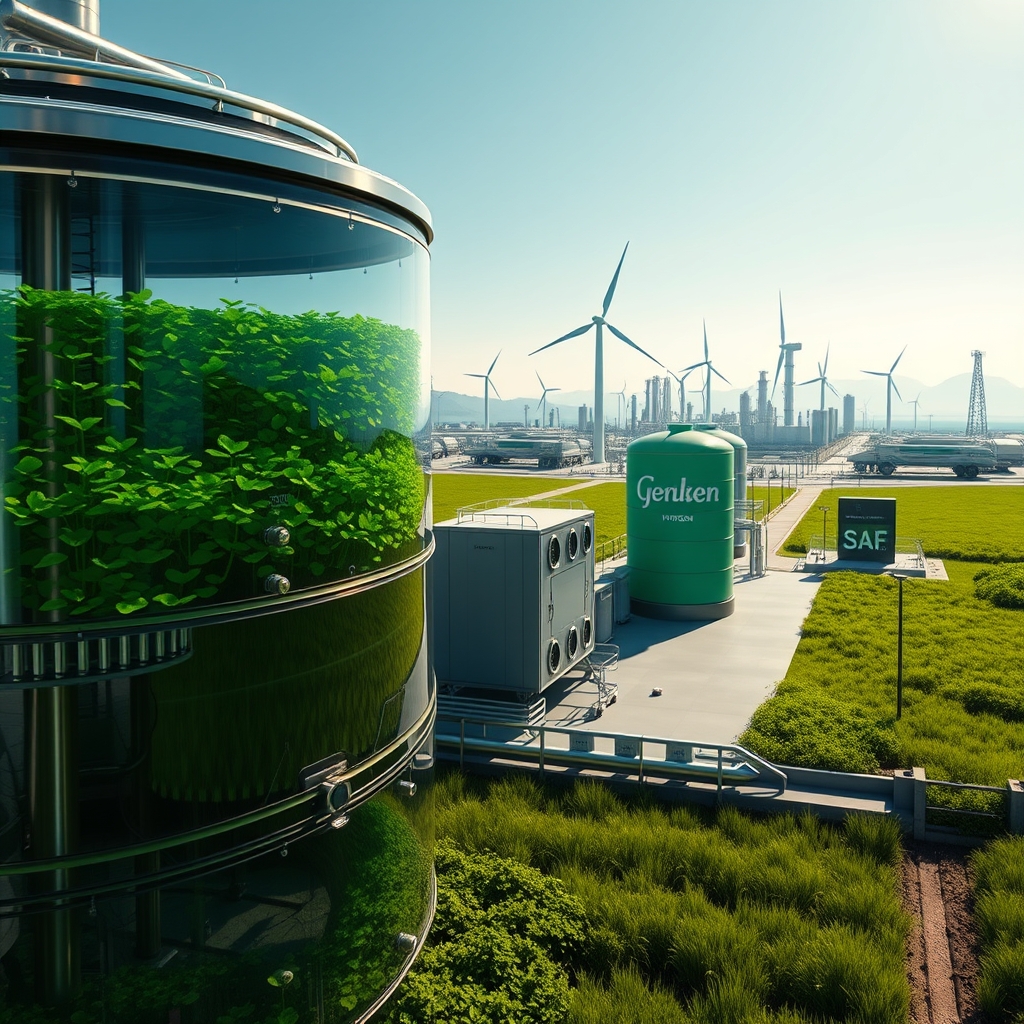
The quest for sustainable mobility has led researchers and engineers to explore innovative fuel alternatives that can significantly reduce greenhouse gas emissions while maintaining performance and efficiency. Among these alternatives, algae-based biofuels and green hydrogen storage stand out as two of the most promising solutions, each offering unique advantages in the transition toward a carbon-neutral future. As the world grapples with the urgent need to decarbonize transportation, understanding the potential of these technologies—and how they can complement each other—is essential for shaping the next era of energy.
The Science Behind Algae-Based Biofuels
Algae-based biofuels are derived from microalgae, microscopic organisms that convert sunlight, carbon dioxide, and water into biomass through photosynthesis. Unlike traditional biofuels sourced from crops like corn or sugarcane, algae do not compete with food production, making them a more sustainable and scalable option. The lipid content in algae can be extracted and refined into biodiesel, while the remaining biomass can be processed into bioethanol or other advanced biofuels. This versatility positions algae as a game-changer in the renewable energy landscape.
One of the most compelling advantages of algae-based biofuels is their ability to sequester carbon dioxide during growth. For every ton of algae biomass produced, approximately 1.8 tons of CO₂ are absorbed, effectively creating a carbon-negative cycle when the fuel is burned. Additionally, algae can be cultivated in non-arable land or even in wastewater, reducing the environmental footprint associated with traditional agriculture. As research advances, genetic engineering and optimized cultivation techniques are further enhancing algae’s lipid productivity, making it an increasingly viable alternative to fossil fuels.
Challenges and Innovations in Algae Biofuel Production
Despite their potential, algae-based biofuels face several challenges that must be addressed to achieve large-scale commercialization. High production costs, energy-intensive harvesting methods, and the need for efficient lipid extraction processes have historically limited their widespread adoption. However, recent advancements in biotechnology and process engineering are overcoming these barriers. For instance, photobioreactors—closed systems that optimize light exposure and nutrient delivery—are improving algae growth rates while reducing contamination risks. Meanwhile, breakthroughs in hydrothermal liquefaction and supercritical CO₂ extraction are streamlining the conversion of algae biomass into usable fuels.
Another critical area of innovation is the integration of algae cultivation with industrial CO₂ emissions. By locating algae farms near power plants or manufacturing facilities, the CO₂ released from these operations can be directly fed into algae ponds, creating a closed-loop system that enhances sustainability. This approach not only reduces emissions but also lowers the cost of algae production by eliminating the need for external carbon sources. As these technologies mature, algae-based biofuels could become a cornerstone of the global energy transition.
The Role of Green Hydrogen Storage in Sustainable Mobility
While algae-based biofuels offer a renewable alternative for internal combustion engines, green hydrogen storage is emerging as a key enabler for fuel cell electric vehicles (FCEVs) and other zero-emission applications. Green hydrogen is produced through electrolysis, a process that splits water into hydrogen and oxygen using renewable electricity. Unlike gray or blue hydrogen, which rely on fossil fuels, green hydrogen is entirely carbon-neutral, making it an ideal candidate for decarbonizing sectors that are difficult to electrify, such as heavy-duty transport and aviation.
The storage and transportation of hydrogen, however, present unique challenges. Hydrogen has a low energy density by volume, requiring high-pressure compression, liquefaction, or advanced storage materials to make it viable for practical use. Innovations in solid-state hydrogen storage, such as metal hydrides and chemical hydrogen carriers, are addressing these limitations by enabling safer and more efficient storage at lower pressures. Additionally, advancements in cryogenic and high-pressure tank technologies are improving the range and refueling capabilities of FCEVs, bringing them closer to parity with conventional vehicles.
Synergies Between Algae Biofuels and Green Hydrogen
The intersection of algae-based biofuels and green hydrogen storage offers exciting possibilities for a fully integrated renewable energy ecosystem. One potential synergy lies in the production of electrofuels, or e-fuels, which combine green hydrogen with captured CO₂ to create carbon-neutral synthetic fuels. Algae farms could serve as a source of biogenic CO₂ for this process, further enhancing the sustainability of e-fuel production. Moreover, the excess renewable electricity generated from solar or wind farms could be used to produce green hydrogen, which in turn could power the cultivation and processing of algae, creating a self-sustaining cycle of energy production.
Another promising application is the use of algae-derived biohydrogen, a byproduct of certain algae species that can produce hydrogen through biophotolysis. While still in the early stages of development, biohydrogen could complement green hydrogen production, offering a biological pathway to hydrogen fuel that reduces reliance on electrolysis. As research progresses, the integration of algae biofuels and green hydrogen could unlock new opportunities for carbon-neutral energy across multiple sectors, from transportation to industrial processes.
Real-World Applications and Future Outlook
Several pilot projects and commercial ventures are already demonstrating the feasibility of algae-based biofuels and green hydrogen storage. In the aviation industry, companies like Neste and LanzaTech are exploring algae-derived sustainable aviation fuels (SAF) to reduce the carbon footprint of air travel. Meanwhile, automakers such as Toyota and Hyundai are expanding their FCEV fleets, with green hydrogen playing a central role in their zero-emission strategies. These real-world applications underscore the growing momentum behind these technologies and their potential to reshape the energy landscape.
Government policies and investments are also accelerating the adoption of algae biofuels and green hydrogen. The European Union’s Green Deal, for example, includes ambitious targets for renewable hydrogen production, while the U.S. Department of Energy’s Bioenergy Technologies Office is funding research into algae cultivation and biofuel conversion. As these initiatives gain traction, the cost of algae biofuels and green hydrogen is expected to decline, making them more competitive with conventional fuels.
The journey toward a carbon-neutral future is complex and multifaceted, but the convergence of algae-based biofuels and green hydrogen storage offers a compelling pathway forward. By leveraging the strengths of these technologies—whether through direct fuel applications, synthetic fuel production, or integrated energy systems—we can reduce our dependence on fossil fuels and mitigate the impacts of climate change. The road ahead will require collaboration among scientists, engineers, policymakers, and industry leaders, but the potential rewards are immense. As we stand on the brink of a new energy paradigm, the choices we make today will determine the sustainability of our transportation systems for generations to come, and the innovations in algae biofuels and green hydrogen are lighting the way.