
The Future of Fuel Delivery: How Advanced Injection Systems Are Redefining Engine Performance
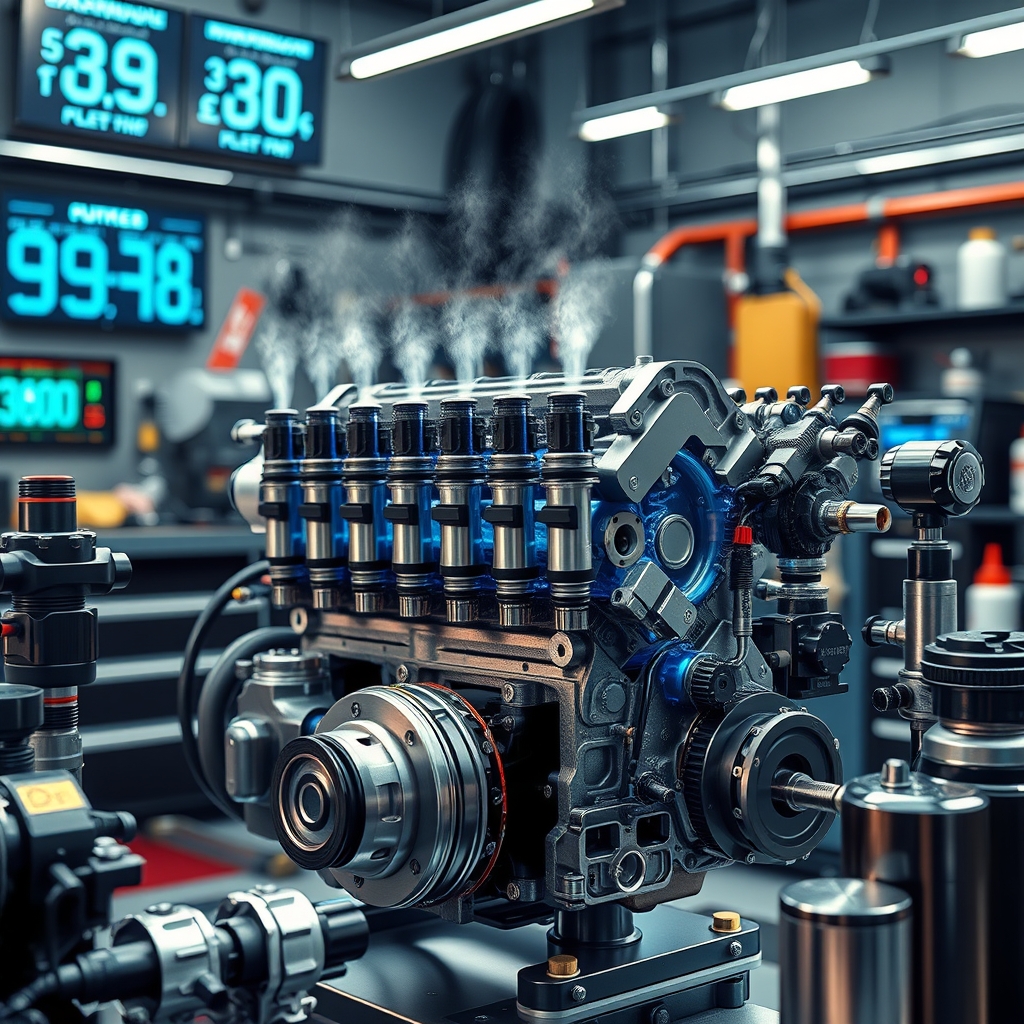
Modern engines are marvels of precision engineering, where every component plays a critical role in delivering power, efficiency, and reliability. Among these, fuel injection systems stand as the backbone of performance, evolving from simple mechanical setups to sophisticated electronic networks that optimize combustion with surgical precision. The shift from traditional carburetors to advanced fuel injection technologies has not only transformed how engines breathe but also how they adapt to ever-tightening emissions standards and driver demands for responsiveness.
The Rise of Direct Fuel Injection: A Game Changer
Direct fuel injection (DFI) represents one of the most significant advancements in modern engine design. Unlike older systems where fuel was mixed with air before entering the combustion chamber, DFI sprays fuel directly into the cylinder at pressures exceeding 2,000 psi. This method allows for finer atomization of fuel, resulting in more complete combustion, improved power output, and reduced emissions. The high-pressure fuel pump, a cornerstone of DFI systems, ensures that fuel is delivered with the exacting force required for optimal performance, even under extreme conditions.
However, the benefits of DFI come with their own set of challenges. The high pressures involved can lead to carbon buildup on intake valves and pistons, a problem less common in port injection systems. This is where fuel injector cleaners and regular maintenance become essential. Products designed to dissolve carbon deposits and keep injectors functioning at peak efficiency are now a staple in the toolkit of performance enthusiasts and everyday drivers alike.
The Role of Electronic Fuel Injection in Modern Engines
Electronic fuel injection (EFI) systems have largely replaced mechanical counterparts, thanks to their ability to adapt in real-time to driving conditions. By leveraging sensors such as the fuel rail pressure sensor and the throttle position sensor, EFI systems can adjust fuel delivery with millisecond precision. This adaptability is crucial for meeting the demands of turbocharged engines, hybrid powertrains, and even vehicles running on alternative fuels like ethanol blends.
One of the most notable advancements in EFI is sequential port injection (SPI), where fuel is delivered to each cylinder in sync with its intake stroke. This method improves fuel economy and reduces emissions by ensuring that fuel is only injected when needed, rather than in a continuous or batch-fired manner. When combined with direct injection, SPI creates a dual-injection system that maximizes the strengths of both technologies, offering unparalleled flexibility and performance.
Fuel Pressure Regulators and Sensors: The Unsung Heroes
The fuel pressure regulator is a small but vital component that ensures consistent fuel pressure across the system. In returnless fuel systems, where excess fuel is not returned to the tank, the regulator works in tandem with the fuel rail pressure sensor to maintain optimal pressure levels. This setup reduces fuel vapor emissions and improves efficiency by minimizing the amount of fuel that needs to be heated and cooled repeatedly.
Similarly, the fuel level sending unit plays a critical role in modern fuel delivery modules. By providing accurate readings of fuel levels, it ensures that the engine control unit (ECU) can make informed decisions about fuel delivery, particularly in vehicles with dual-stage fuel pumps. These pumps, which operate at different pressures depending on demand, are essential for high-performance applications where fuel flow must be precisely controlled to avoid starvation or flooding.
Common Rail Diesel Injection: Precision Meets Durability
While much of the focus on fuel injection innovation centers around gasoline engines, common rail diesel injection (CRDI) systems have revolutionized diesel powertrains. By storing fuel at extremely high pressures in a common rail and delivering it to injectors on demand, CRDI systems enable multiple injection events per combustion cycle. This not only improves power and torque but also significantly reduces noise and emissions, making diesel engines more viable in passenger vehicles.
The high flow fuel rails used in CRDI systems are designed to withstand pressures up to 30,000 psi, ensuring that fuel is delivered with the force needed to penetrate dense diesel air-fuel mixtures. Additionally, components like fuel swirl pots help maintain consistent fuel flow, preventing air bubbles from disrupting the injection process. These innovations have made modern diesel engines cleaner, quieter, and more efficient than ever before.
Maintaining Your Fuel System: A Proactive Approach
As fuel injection systems become more complex, so too does the need for proper maintenance. Regular fuel filter replacement is a simple yet effective way to prevent contaminants from clogging injectors or damaging high-pressure pumps. The fuel tank vent valve and carbon canister purge valve also play crucial roles in managing fuel vapors, ensuring that the system remains sealed and efficient. Neglecting these components can lead to issues like poor fuel economy, rough idling, or even engine misfires.
For vehicles equipped with flex fuel sensors, maintaining the fuel system is even more critical. These sensors detect the ethanol content in fuel and adjust the engine’s parameters accordingly. However, ethanol blends can be corrosive to certain fuel system components, making regular inspections and the use of fuel additives a necessity for long-term reliability.
As engines continue to evolve, so too will the technologies that power them. The shift toward electrification and hybrid systems may dominate headlines, but the advancements in fuel injection and delivery systems remain the unsung heroes of internal combustion. Whether it’s the precision of direct injection, the adaptability of electronic fuel systems, or the durability of common rail diesel, these innovations ensure that engines remain efficient, powerful, and responsive. The future of fuel delivery is not just about keeping up with the times—it’s about setting the pace for what comes next, where every drop of fuel is used with purpose and every mile driven is a testament to engineering excellence.