
The Promise of Ammonia-Powered Engines and Electrofuels in Decarbonizing Heavy Transport
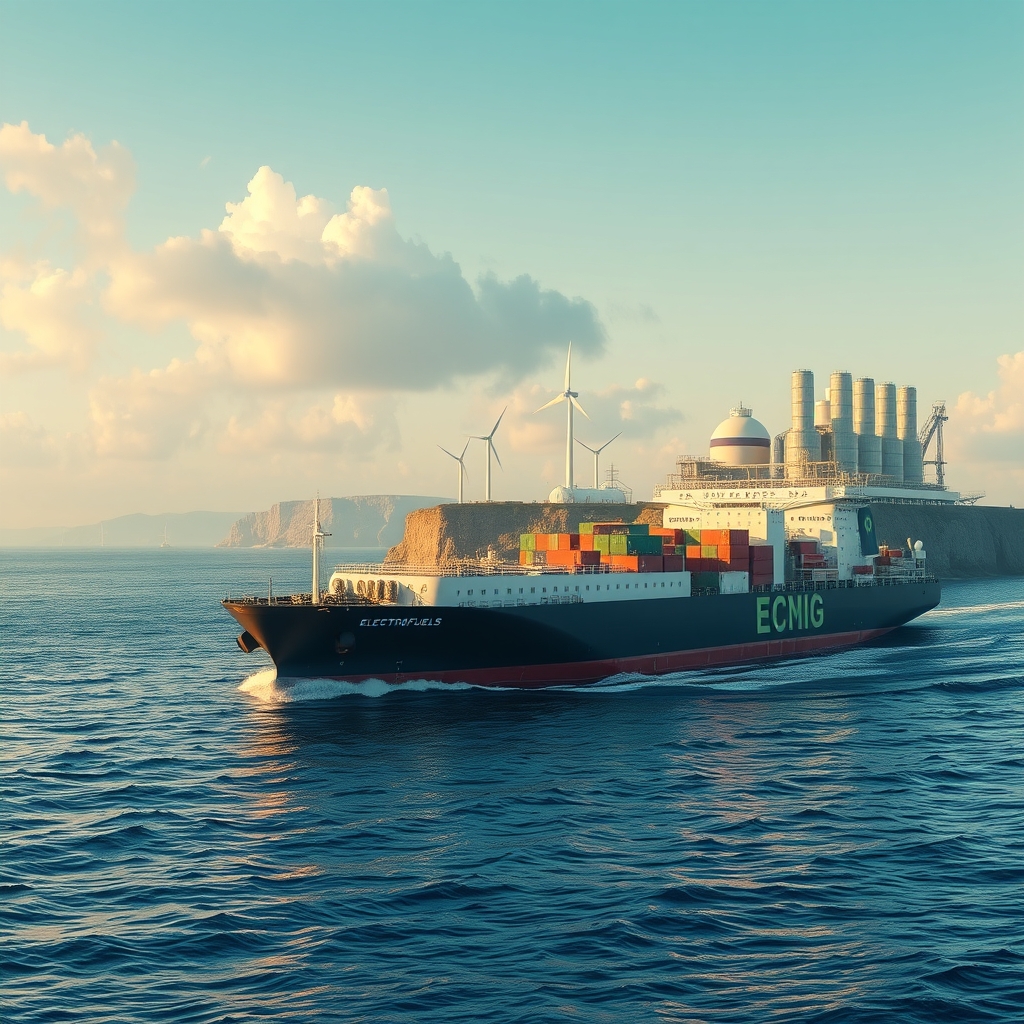
The transportation sector stands at a critical crossroads, where the urgency to reduce carbon emissions clashes with the practical challenges of powering heavy-duty vehicles, ships, and aircraft. While electric batteries and hydrogen fuel cells dominate discussions about light-duty vehicles, the sheer energy density required for long-haul transport demands alternative solutions. Two technologies—ammonia-powered engines and electrofuels—are emerging as game-changers in this space, offering pathways to decarbonize sectors that have long relied on fossil fuels.
The Case for Ammonia as a Marine and Heavy-Duty Fuel
Ammonia (NH3), a compound traditionally associated with fertilizers and industrial chemicals, is gaining traction as a carbon-free fuel for internal combustion engines. Unlike hydrogen, which requires cryogenic storage or high-pressure tanks, ammonia can be liquefied at relatively modest pressures (around 10 bar at room temperature), making it far more practical for large-scale transport and storage. This characteristic is particularly appealing for the maritime industry, where ships must carry enough fuel for weeks-long voyages without frequent refueling stops.
Recent advancements in ammonia-powered engines have demonstrated their viability. Companies like MAN Energy Solutions and Wärtsilä are developing dual-fuel engines capable of running on ammonia blends or pure ammonia, with pilot projects already underway. These engines leverage high-pressure injection systems to optimize combustion efficiency while minimizing harmful nitrogen oxide (NOx) emissions—a key challenge in ammonia combustion. Selective catalytic reduction (SCR) systems further mitigate NOx output, ensuring compliance with stringent environmental regulations.
Overcoming Ammonia’s Combustion Challenges
Ammonia’s low flame speed and high auto-ignition temperature present hurdles for efficient combustion. To address this, researchers are exploring co-firing strategies, where ammonia is blended with hydrogen or diesel to stabilize the combustion process. Another approach involves cracking ammonia into hydrogen and nitrogen before injection, effectively using hydrogen as a combustion enhancer. This method not only improves engine performance but also reduces the need for onboard hydrogen storage, simplifying infrastructure requirements.
Safety concerns, particularly ammonia’s toxicity and corrosiveness, are also being addressed through advanced materials and containment systems. Stainless steel and specialized coatings are being used to prevent corrosion in fuel tanks and pipelines, while leak detection systems and ventilation protocols ensure safe handling. As these technologies mature, ammonia’s potential as a zero-carbon fuel for shipping and heavy transport becomes increasingly tangible.
Electrofuels: The Liquid Gold of Carbon-Neutral Energy
While ammonia excels in marine and heavy-duty applications, electrofuels (or e-fuels) offer a versatile solution for sectors where liquid fuels remain indispensable. Electrofuels are synthesized by combining green hydrogen—produced via electrolysis using renewable electricity—with captured carbon dioxide (CO2) to create carbon-neutral hydrocarbons. These fuels, which include e-methanol, e-diesel, and e-kerosene, are chemically identical to their fossil-based counterparts, allowing them to be used in existing engines and infrastructure with minimal modifications.
The Role of Direct Fuel Injection in Electrofuels
Direct fuel injection (DFI) systems play a pivotal role in maximizing the efficiency of electrofuels. By precisely controlling the timing and volume of fuel delivery, DFI minimizes waste and reduces emissions, making it an ideal match for high-performance e-fuels. For example, e-diesel benefits from DFI’s ability to optimize combustion in compression-ignition engines, achieving thermal efficiencies comparable to conventional diesel while producing near-zero net carbon emissions. Similarly, e-methanol, when used in spark-ignition engines, leverages DFI to enhance power output and reduce fuel consumption.
Beyond their compatibility with existing engines, electrofuels offer a compelling advantage: they can be transported and stored using the same infrastructure as fossil fuels. This eliminates the need for costly overhauls of fuel distribution networks, accelerating the transition to carbon-neutral energy. For aviation and long-haul trucking, where battery-electric solutions are impractical due to weight and range limitations, electrofuels present a pragmatic bridge to sustainability.
Synergies Between Ammonia and Electrofuels
The true potential of ammonia and electrofuels lies in their complementary strengths. Ammonia’s high energy density and ease of storage make it ideal for long-distance shipping and stationary power generation, while electrofuels’ liquid form and compatibility with existing infrastructure position them as a drop-in solution for aviation, trucking, and even passenger vehicles. Together, they form a robust toolkit for decarbonizing hard-to-abate sectors without sacrificing performance or reliability.
Moreover, the production of both fuels relies on green hydrogen, creating opportunities for synergies in supply chains. Excess renewable energy can be used to produce hydrogen via electrolysis, which can then be converted into ammonia or combined with CO2 to create electrofuels. This flexibility allows energy providers to balance supply and demand, ensuring that renewable resources are utilized efficiently. As green hydrogen production scales up, the cost of both ammonia and electrofuels is expected to decline, making them increasingly competitive with fossil fuels.
Policy and Investment: Catalysts for Adoption
The widespread adoption of ammonia and electrofuels hinges on supportive policies and targeted investments. Governments and industry leaders must collaborate to establish regulatory frameworks that incentivize the production and use of these fuels. Carbon pricing mechanisms, subsidies for green hydrogen production, and mandates for low-carbon fuels in shipping and aviation can accelerate the transition. Additionally, public and private investments in research and development are critical to overcoming technical barriers and reducing costs.
Several countries are already taking the lead. The European Union’s ReFuelEU Aviation initiative, for example, sets ambitious targets for the use of sustainable aviation fuels (SAFs), including electrofuels. Meanwhile, Japan and Australia are investing heavily in ammonia supply chains, positioning themselves as future hubs for ammonia production and export. These efforts demonstrate a growing recognition of ammonia and electrofuels as cornerstones of a decarbonized energy system.
As the world grapples with the climate crisis, the need for scalable, carbon-neutral solutions has never been more urgent. Ammonia-powered engines and electrofuels offer a compelling vision for the future of heavy transport, one where performance and sustainability go hand in hand. By harnessing the unique advantages of these technologies, industries can reduce their carbon footprint without compromising on efficiency or reliability. The journey toward a zero-emission future is complex, but with innovation and collaboration, it is within reach—and ammonia and electrofuels are lighting the way.