
The Invisible Force: How High-Pressure Fuel Pumps and Direct Injection Revolutionize Engine Efficiency
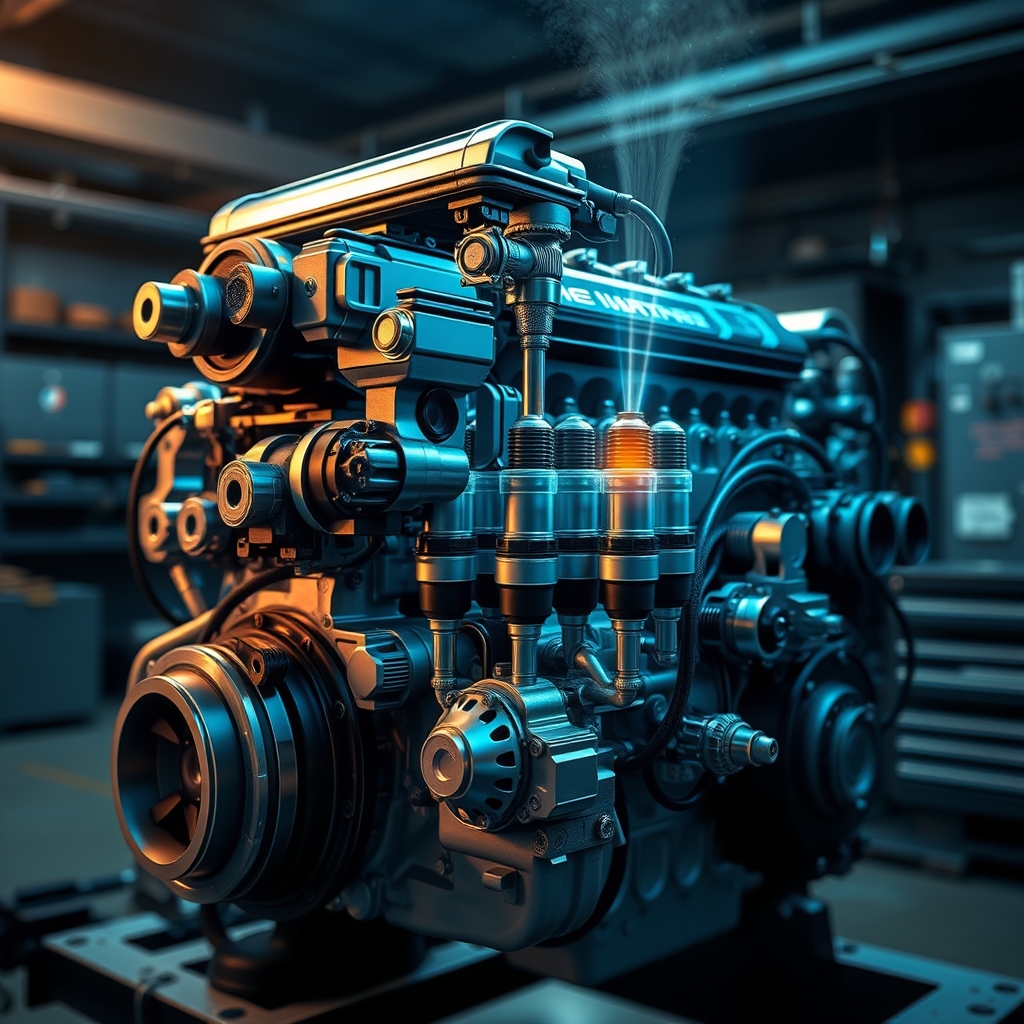
Modern engines are marvels of precision engineering, where every component plays a critical role in balancing power, efficiency, and emissions. Among these, the high-pressure fuel pump stands as a cornerstone of performance, particularly in direct fuel injection systems. Unlike traditional fuel delivery methods, direct injection relies on extreme pressure to atomize fuel into a fine mist, ensuring optimal combustion. This technology doesn’t just enhance power—it redefines what’s possible under the hood.
The Science Behind High-Pressure Fuel Pumps
At the heart of direct injection systems lies the high-pressure fuel pump, a component that elevates fuel pressure to levels far beyond conventional port injection. While older systems operate at pressures around 40-60 psi, direct injection demands pressures exceeding 2,000 psi—sometimes even reaching 3,000 psi in high-performance applications. This immense pressure is necessary to overcome the resistance of injecting fuel directly into the combustion chamber, where temperatures and pressures are already extreme.
The pump itself is a mechanical marvel, often driven by the engine’s camshaft or a dedicated high-pressure lobe. It draws fuel from the low-pressure side of the system, compresses it, and delivers it to the fuel rail, where it awaits injection. The precision of this process is staggering: even minor deviations in pressure can lead to incomplete combustion, increased emissions, or engine knock. That’s why modern pumps incorporate advanced materials and coatings to withstand the relentless stress of high-pressure operation while maintaining durability over hundreds of thousands of miles.
Why Pressure Matters: The Role of Fuel Atomization
Fuel atomization—the process of breaking fuel into tiny droplets—is where the magic of direct injection truly shines. Under high pressure, fuel is forced through microscopic nozzles in the injectors, creating a mist so fine it resembles a vapor. This level of atomization ensures that every droplet of fuel mixes uniformly with air, leading to more complete combustion. The result? More power from less fuel, reduced emissions, and improved throttle response.
In contrast, older throttle body or port injection systems spray fuel into the intake manifold, where it must travel a longer path before reaching the combustion chamber. This journey can lead to fuel puddling, uneven distribution, and wasted energy. Direct injection eliminates these inefficiencies by delivering fuel exactly where it’s needed, precisely when it’s needed. The difference is measurable: vehicles equipped with direct injection often see a 10-15% improvement in fuel efficiency and a corresponding boost in horsepower compared to their port-injected counterparts.
The Fuel Rail Pressure Sensor: The Guardian of Precision
With such high stakes, maintaining consistent fuel pressure is non-negotiable. Enter the fuel rail pressure sensor, a small but critical component that monitors pressure in real time and relays data to the engine control unit (ECU). The ECU uses this information to adjust the high-pressure pump’s output, ensuring that pressure remains within a tight tolerance—regardless of engine load or RPM.
A failing pressure sensor can wreak havoc on engine performance. Symptoms like rough idling, misfires, or even stalling often trace back to inaccurate pressure readings. In some cases, the ECU may default to a limp mode, drastically reducing power to protect the engine. Regular diagnostics and sensor maintenance are essential, especially in vehicles with high mileage or those operating in extreme conditions.
Fuel Injector Cleaners: Myth or Miracle?
As direct injection systems have proliferated, so too have products claiming to clean and protect fuel injectors. But do these additives live up to the hype? The answer is nuanced. Unlike port injection, where fuel washes over the intake valves, direct injection leaves valves vulnerable to carbon buildup—a byproduct of incomplete combustion. Over time, this buildup can restrict airflow, leading to reduced performance and increased emissions.
Fuel injector cleaners, particularly those containing polyetheramine (PEA), can help dissolve carbon deposits and restore injector performance. However, they’re not a cure-all. Severe carbon buildup may require manual cleaning or even walnut blasting, a process where crushed walnut shells are blasted into the intake to remove deposits. For preventative maintenance, using a high-quality cleaner every 5,000-10,000 miles can help keep injectors and valves in top shape, but it’s no substitute for regular engine care.
The Future of Fuel Delivery: Returnless Systems and Beyond
While direct injection dominates the conversation, the broader fuel delivery landscape is evolving. Returnless fuel systems, for example, eliminate the traditional return line, relying instead on a pressure regulator integrated into the fuel pump module. This design reduces fuel vapor emissions and simplifies the system, but it also places greater demands on the pump and pressure sensor to maintain accuracy.
Dual-stage fuel pumps are another innovation, particularly in high-performance or turbocharged engines. These systems use two pumps—one low-pressure and one high-pressure—to ensure consistent fuel delivery under extreme loads. The low-pressure pump feeds the high-pressure pump, which then elevates pressure to the levels required for direct injection. This setup is common in vehicles like the Ford EcoBoost or BMW’s N55 engine, where power and efficiency must coexist.
Looking ahead, flex-fuel sensors and common rail diesel injection systems are pushing the boundaries of what’s possible. Flex-fuel vehicles, which can run on gasoline, ethanol, or a blend of both, rely on sensors to detect the fuel’s ethanol content and adjust injection timing and pressure accordingly. Meanwhile, common rail diesel systems—long a staple in commercial vehicles—are making their way into passenger cars, offering unparalleled torque and efficiency for diesel enthusiasts.
Every time you press the accelerator, a symphony of precision-engineered components works in harmony to deliver power with surgical accuracy. The high-pressure fuel pump, fuel rail pressure sensor, and direct injectors are just a few of the unsung heroes making modern engines more efficient, powerful, and cleaner than ever before. As technology advances, these systems will only grow more sophisticated, but their core mission remains the same: to turn fuel into motion with the least waste and the greatest reliability. The next time your engine roars to life, remember—it’s not just fuel burning under the hood, but decades of innovation firing on all cylinders.