
E-Methanol Production and Hydrogen Fuel Cells: The Synergistic Future of Carbon-Neutral Energy
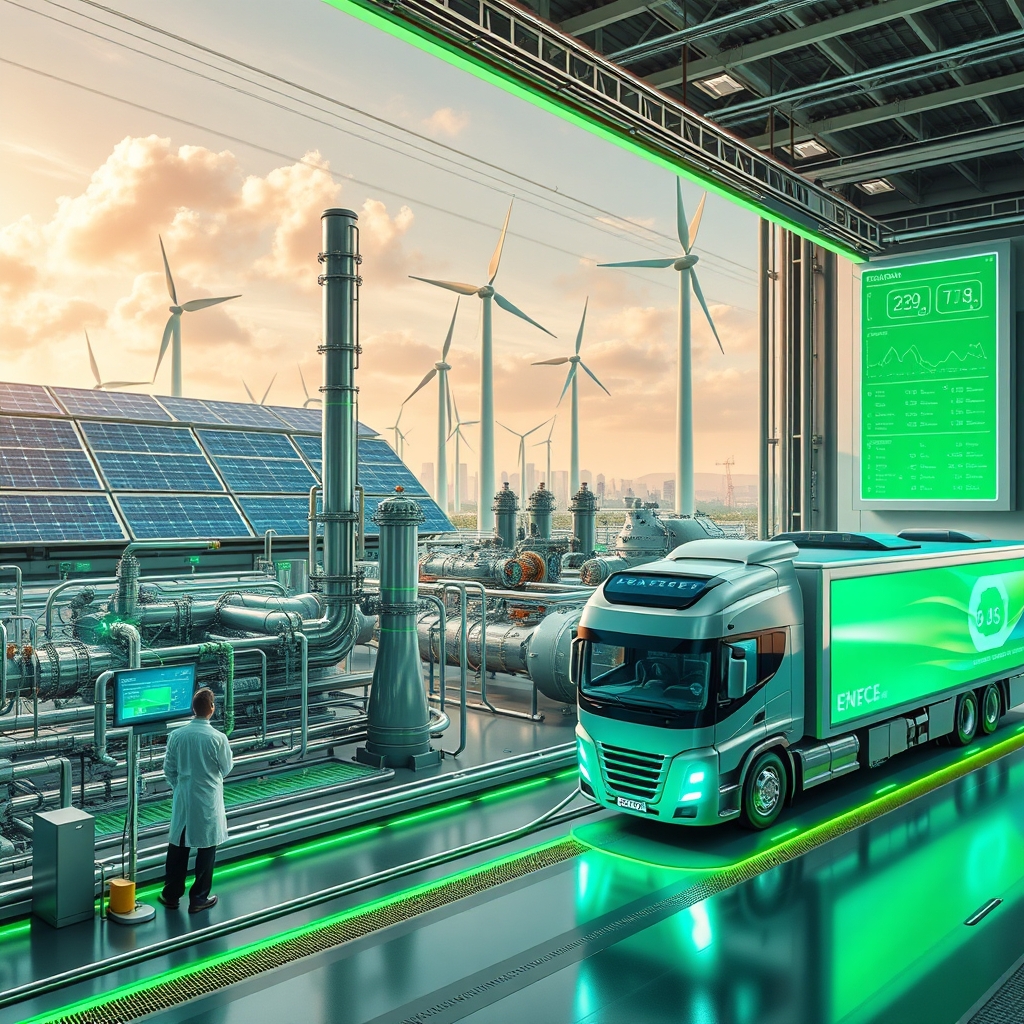
The global shift toward sustainable energy solutions has accelerated the development of alternative fuels that promise to reduce carbon emissions without sacrificing performance. Among these innovations, e-methanol production and hydrogen fuel cells stand out as complementary technologies capable of transforming transportation, industrial processes, and energy storage. While each has distinct advantages, their combined potential could redefine the future of carbon-neutral mobility and power generation.
The Science Behind E-Methanol Production
E-methanol, or electro-methanol, is a synthetic fuel produced by combining green hydrogen—generated through electrolysis using renewable electricity—with captured carbon dioxide. This process, known as catalytic hydrogenation, results in a liquid fuel that can be easily stored, transported, and utilized in existing infrastructure. Unlike conventional methanol derived from natural gas, e-methanol is carbon-neutral when the CO₂ used in its production is sourced from industrial emissions or direct air capture.
The versatility of e-methanol makes it a compelling alternative to fossil fuels. It can be blended with gasoline, used as a feedstock for chemical production, or even converted back into hydrogen for fuel cell applications. Additionally, e-methanol’s high energy density and compatibility with current liquid fuel systems provide a practical bridge between traditional and renewable energy sources.
Key Advantages of E-Methanol
- Carbon Neutrality: When produced using renewable energy and captured CO₂, e-methanol achieves a net-zero carbon footprint.
- Infrastructure Compatibility: It can be distributed and stored using existing fuel infrastructure, reducing transition costs.
- Energy Storage: E-methanol serves as a liquid energy carrier, addressing the intermittency challenges of renewable power sources.
- Versatility: It can be used in internal combustion engines, fuel cells, and as a chemical feedstock.
Hydrogen Fuel Cells: Powering the Next Generation of Mobility
Hydrogen fuel cells generate electricity through an electrochemical reaction between hydrogen and oxygen, producing only water and heat as byproducts. This technology is particularly promising for heavy-duty transportation, such as trucks, ships, and trains, where battery-electric solutions face limitations in range and charging times. Fuel cell electric vehicles (FCEVs) offer rapid refueling, long driving ranges, and zero tailpipe emissions, making them a strong contender in the race toward sustainable mobility.
However, hydrogen’s low energy density by volume presents storage and transportation challenges. While compressed or liquefied hydrogen is viable, it requires specialized infrastructure and significant energy input. This is where e-methanol’s role becomes critical—it can act as a hydrogen carrier, enabling safer and more efficient transportation before being converted back into hydrogen at the point of use.
Fuel Cell Applications and Innovations
- Transportation: FCEVs are gaining traction in commercial fleets, with companies like Toyota, Hyundai, and Nikola leading the development of hydrogen-powered trucks and buses.
- Maritime and Aviation: Fuel cells are being tested in ships and aircraft to reduce emissions in sectors where electrification is challenging.
- Stationary Power: Hydrogen fuel cells provide backup power for data centers, hospitals, and remote communities, offering a reliable alternative to diesel generators.
- Portable Energy: Smaller fuel cells are being developed for consumer electronics and off-grid applications, extending battery life without increasing weight.
The Synergy Between E-Methanol and Hydrogen Fuel Cells
The integration of e-methanol production and hydrogen fuel cells creates a closed-loop energy system that maximizes efficiency and sustainability. Green hydrogen produced via electrolysis can be converted into e-methanol for easier storage and transport. At the point of use, this methanol can be reformed back into hydrogen to power fuel cells, ensuring a steady supply of clean energy without the logistical challenges of pure hydrogen distribution.
This synergy is particularly valuable in sectors where direct hydrogen use is impractical. For example, maritime shipping could benefit from e-methanol as a drop-in fuel for existing engines, while simultaneously using onboard fuel cells for auxiliary power. Similarly, remote industrial sites could store e-methanol as a backup energy source, converting it to hydrogen on demand for fuel cell generators.
Overcoming Challenges in Scaling Up
Despite their potential, e-methanol and hydrogen fuel cells face hurdles in widespread adoption. The production of green hydrogen remains energy-intensive and costly, though advancements in electrolysis technology and falling renewable energy prices are improving feasibility. Similarly, the infrastructure for e-methanol distribution and hydrogen refueling stations requires significant investment, though pilot projects in Europe, Asia, and North America are demonstrating progress.
Policy support and industry collaboration will be essential in accelerating the transition. Governments can incentivize research and development through subsidies, carbon pricing, and mandates for renewable fuel adoption. Meanwhile, partnerships between energy companies, automakers, and technology providers can drive innovation in production, storage, and end-use applications.
As the world seeks scalable solutions to decarbonize transportation and industry, the interplay between e-methanol and hydrogen fuel cells offers a compelling pathway. By leveraging the strengths of both technologies—e-methanol’s ease of storage and hydrogen’s clean energy output—they can address the limitations of each while creating a more resilient and sustainable energy ecosystem. The journey toward a carbon-neutral future is complex, but with continued innovation and collaboration, these advancements could soon become the backbone of global energy systems, powering everything from daily commutes to cross-continental shipping with minimal environmental impact.