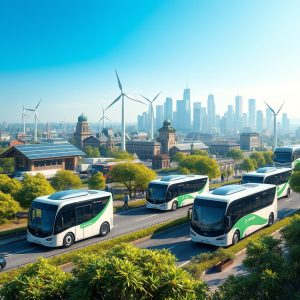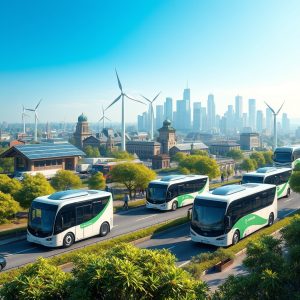
The Next Frontier: How Smart Charging Infrastructure and Autonomous Driving Are Crafting the Future of Zero Emission Mobility
The automotive industry is undergoing a seismic shift, one that promises to redefine how we perceive transportation, efficiency, and sustainability. At the heart of this transformation lies the convergence of two groundbreaking technologies: smart charging infrastructure and autonomous driving systems. Together, they are not just complementing the rise of zero emission vehicles but are actively shaping a future where mobility is cleaner, smarter, and more intuitive than ever before.
The Rise of Smart Charging: Powering the Electric Revolution
Electric vehicles (EVs) have moved from the fringes of automotive innovation to the mainstream, but their widespread adoption hinges on one critical factor: infrastructure. Smart charging infrastructure is the backbone of this electric revolution, offering more than just a place to plug in. It represents a dynamic ecosystem where energy management, grid stability, and user convenience intersect.
Unlike traditional charging stations, smart charging systems leverage advanced algorithms and real-time data to optimize energy distribution. They can adjust charging speeds based on grid demand, prioritize renewable energy sources, and even allow vehicle-to-grid (V2G) technology, where EVs feed energy back into the grid during peak hours. This not only reduces strain on the electrical grid but also lowers costs for consumers while maximizing the use of clean energy.
Moreover, smart charging infrastructure is evolving to integrate seamlessly with renewable energy sources like solar and wind. Imagine a world where your EV charges during the day using solar power generated from panels installed at charging stations or even at home. This synergy between smart charging and renewables is a game-changer, making zero emission mobility not just a possibility but a practical reality.
Autonomous Driving: The Catalyst for Zero Emission Mobility
While smart charging addresses the “how” of powering EVs, autonomous driving systems are redefining the “why” behind their adoption. Self-driving cars are no longer a futuristic fantasy; they are rapidly becoming a tangible part of our transportation landscape. But their impact extends far beyond convenience and safety. Autonomous vehicles (AVs) are poised to accelerate the transition to zero emission mobility in ways we are only beginning to understand.
One of the most significant advantages of autonomous driving is its potential to optimize energy efficiency. AVs can be programmed to drive in a manner that maximizes regenerative braking, minimizes energy consumption, and reduces unnecessary idling. When combined with electric powertrains, this level of efficiency translates into longer ranges, lower operational costs, and a smaller carbon footprint. Furthermore, autonomous ride-sharing fleets could drastically reduce the number of vehicles on the road, alleviating traffic congestion and further cutting emissions.
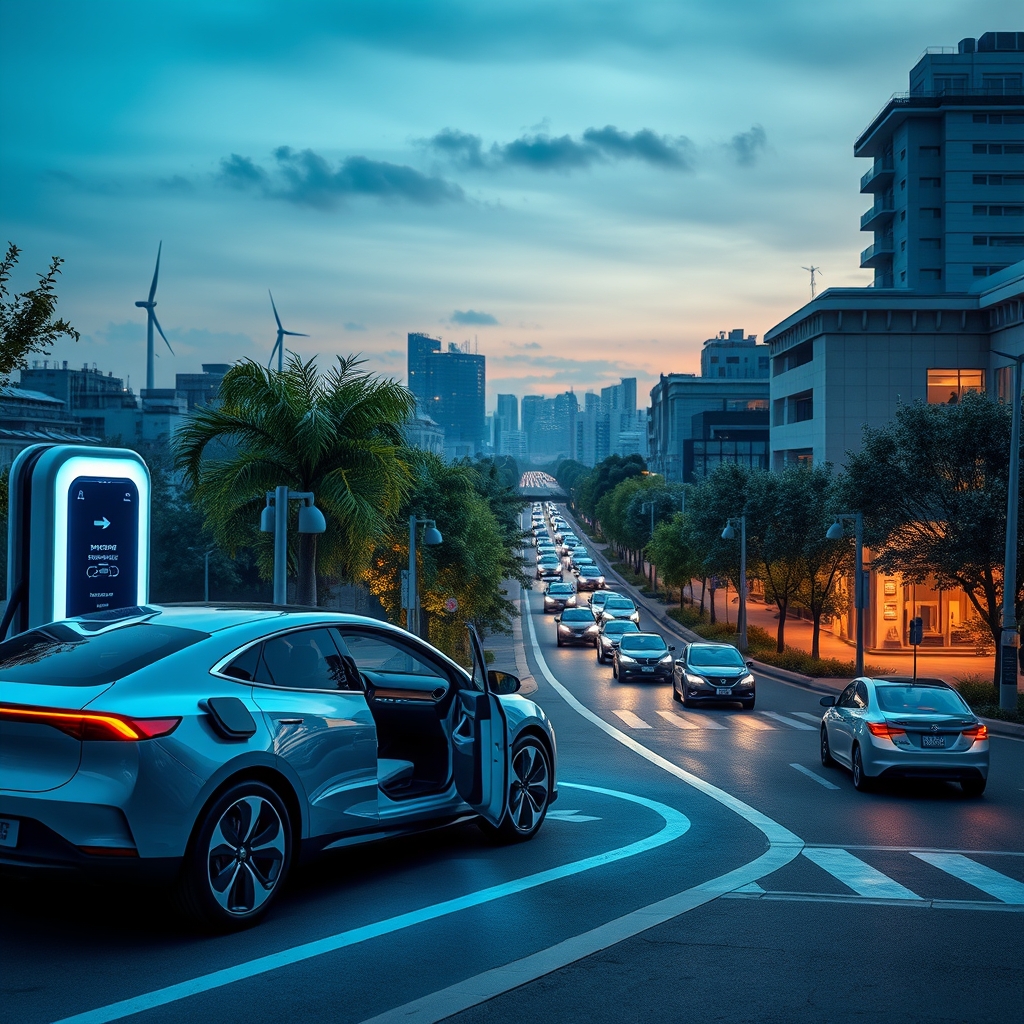
Autonomous driving also enhances the integration of smart charging infrastructure. Self-driving EVs can autonomously navigate to charging stations when their battery levels are low, ensuring they are always powered by the most efficient and sustainable energy sources available. This level of automation removes the friction often associated with EV ownership, such as range anxiety and the need for manual charging, making zero emission mobility more accessible to the masses.
The Synergy of Smart Charging and Autonomous Driving
The true magic happens when smart charging infrastructure and autonomous driving systems work in tandem. Picture a city where fleets of self-driving EVs operate 24/7, seamlessly navigating to charging stations equipped with smart technology. These vehicles could charge during off-peak hours, utilizing excess renewable energy that would otherwise go to waste. During peak demand, they could even supply stored energy back to the grid, creating a symbiotic relationship between transportation and energy sectors.
This synergy also extends to urban planning. Cities could redesign parking spaces and charging hubs to accommodate autonomous EVs, reducing the need for sprawling parking lots and repurposing urban spaces for green areas or pedestrian zones. The result is a more sustainable, livable urban environment where mobility is not just a means of getting from point A to point B but a harmonious part of the ecosystem.
Overcoming Challenges: The Road Ahead
Despite the immense potential, the path to a zero emission future powered by smart charging and autonomous driving is not without its challenges. Infrastructure development requires significant investment, both from public and private sectors. Governments must create policies that incentivize the adoption of smart charging networks and support the integration of renewable energy sources. Meanwhile, automakers and tech companies must collaborate to ensure that autonomous driving systems are not only safe and reliable but also compatible with the evolving charging infrastructure.
Cybersecurity is another critical concern. As vehicles become more connected and reliant on digital systems, they also become vulnerable to cyber threats. Ensuring the security of smart charging networks and autonomous driving software is paramount to gaining public trust and preventing potential disruptions.
The Human Element: Redefining Mobility
Beyond the technological and logistical hurdles, the success of this transformation also depends on shifting societal attitudes. For decades, personal vehicle ownership has been synonymous with freedom and status. However, the rise of autonomous ride-sharing and smart mobility solutions challenges this notion. The future may see a shift toward mobility-as-a-service (MaaS), where individuals no longer own cars but instead subscribe to transportation services that are efficient, affordable, and environmentally friendly.
This shift could democratize access to mobility, particularly in underserved communities where car ownership is financially out of reach. It also opens the door to more inclusive urban design, where streets are safer for pedestrians and cyclists, and public spaces are reclaimed from the dominance of cars.
As we stand on the brink of this mobility revolution, it’s clear that the fusion of smart charging infrastructure and autonomous driving is more than just a technological advancement. It’s a paradigm shift that reimagines how we move, how we power our lives, and how we interact with the world around us. The road ahead is paved with challenges, but the destination—a future where mobility is clean, intelligent, and accessible to all—is well worth the journey. The wheels are already in motion, and there’s no turning back.