
The Invisible Hand of Efficiency: How Adaptive Energy Workflows Are Crafting the Seamless Refueling Experience of Tomorrow
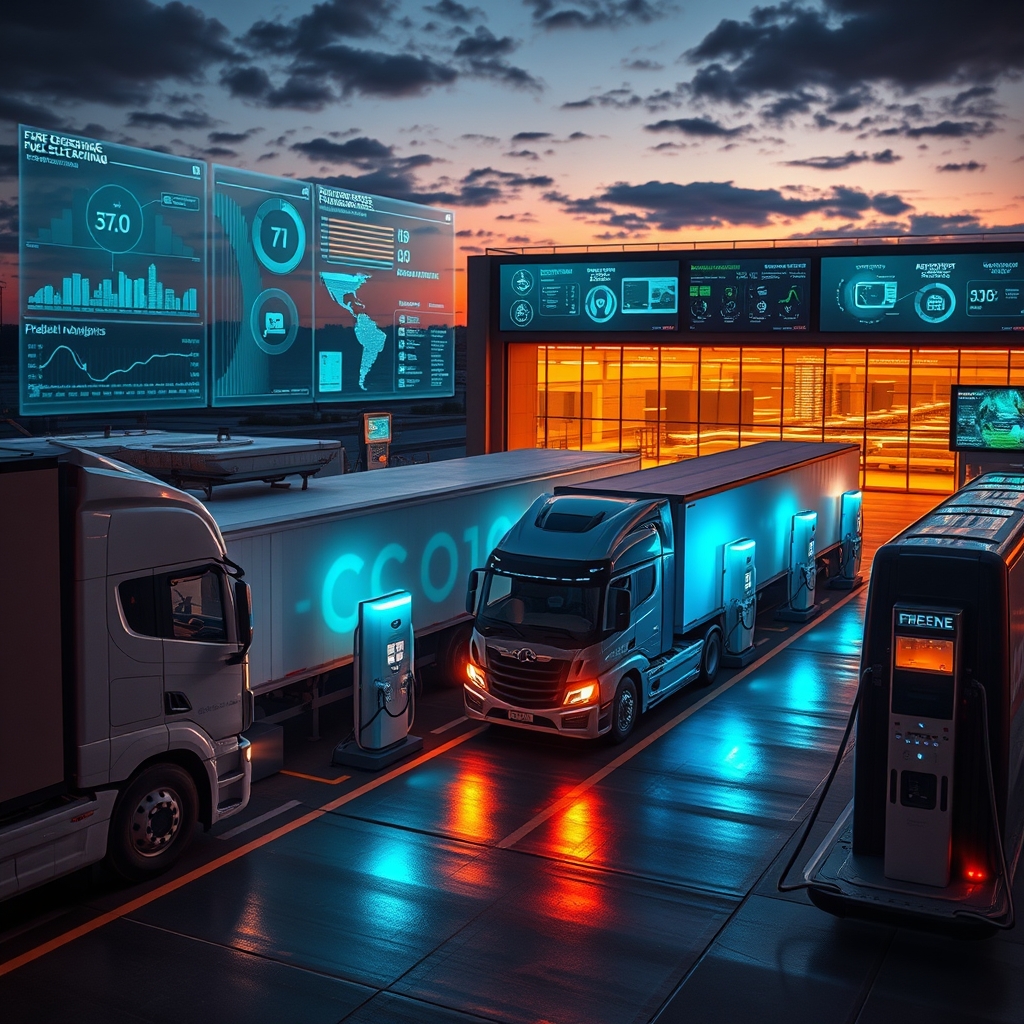
In an era where sustainability is no longer a choice but a necessity, industries worldwide are scrambling to redefine their energy consumption paradigms. At the heart of this transformation lies a quiet yet powerful revolution: the integration of adaptive energy workflows into fuel management systems. These workflows are not just optimizing operations; they are reimagining the very fabric of how energy is consumed, monitored, and replenished. The result? A seamless refueling experience that marries efficiency with environmental stewardship, setting a new standard for modern logistics.
The Foundation of Adaptive Energy Workflows
Adaptive energy workflows represent a dynamic approach to fuel management, where systems are designed to respond in real-time to changing conditions. Unlike traditional static models, these workflows leverage advanced algorithms, machine learning, and real-time consumption data to make instantaneous decisions. Whether it’s adjusting fuel allocation based on traffic patterns, weather conditions, or vehicle performance, adaptive workflows ensure that energy is used where and when it’s needed most—without waste or excess.
At the core of this innovation is the ability to predict and preempt. Predictive fuel analytics, a cornerstone of adaptive workflows, allows fleets to anticipate fuel needs before they arise. By analyzing historical data, route efficiencies, and even driver behavior, these systems can forecast consumption with remarkable accuracy. This not only minimizes downtime but also reduces the carbon footprint of operations by eliminating unnecessary refueling stops or overconsumption.
The Role of Intelligent Fuel Monitoring
No adaptive workflow can function without a robust system of intelligent fuel monitoring. This technology acts as the eyes and ears of the operation, providing a granular view of fuel usage across an entire fleet. Sensors embedded in vehicles and fuel tanks transmit real-time data to centralized platforms, where it is processed and analyzed. The insights generated from this data are invaluable—they reveal inefficiencies, identify anomalies, and highlight opportunities for optimization.
For instance, intelligent monitoring can detect fuel leaks, unauthorized usage, or even suboptimal driving habits that lead to excessive consumption. By addressing these issues proactively, companies can achieve significant cost savings while also reducing their environmental impact. Moreover, the transparency offered by these systems builds trust among stakeholders, from fleet managers to end consumers, who are increasingly demanding accountability in sustainability efforts.
Eco-Conscious Fuel Selection: The Next Frontier
Adaptive energy workflows are not just about optimizing existing fuel sources; they are also paving the way for eco-conscious fuel selection. As the world shifts toward greener alternatives, these workflows enable fleets to seamlessly integrate biofuels, hydrogen, or electric power into their operations. The key lies in their ability to adapt to the unique characteristics of each fuel type, ensuring that performance remains high while emissions are minimized.
Consider a fleet that operates a mix of diesel, biodiesel, and electric vehicles. An adaptive workflow can dynamically allocate the most suitable fuel for each route, taking into account factors like distance, load weight, and charging infrastructure availability. This level of flexibility not only enhances operational efficiency but also accelerates the adoption of sustainable energy sources, making it easier for companies to transition toward carbon-neutral fuel solutions.
Optimized Logistics Refueling: A Game-Changer
The logistics industry has long grappled with the challenge of refueling large fleets efficiently. Traditional methods often involve time-consuming stops at fuel stations, leading to delays and increased operational costs. Adaptive energy workflows are changing this narrative by introducing optimized logistics refueling. Through real-time data and predictive analytics, these systems can schedule refueling stops at the most opportune moments, ensuring that vehicles are always fueled without disrupting their routes.
For example, a delivery truck on a cross-country route might receive a notification to refuel at a specific station during a planned rest stop, rather than making an unscheduled detour. This not only saves time but also reduces fuel consumption by avoiding unnecessary mileage. Additionally, optimized refueling can be synchronized with other logistical operations, such as loading or unloading, further streamlining the process.
The Human Element: Experiential Energy Usage
While technology plays a pivotal role in adaptive energy workflows, the human element cannot be overlooked. Drivers, fleet managers, and logistics coordinators are all integral to the success of these systems. Training and engagement are critical to ensuring that teams understand how to leverage real-time data and predictive insights to make informed decisions. When drivers are empowered with tools that provide visibility into their fuel consumption, they become active participants in the sustainability journey.
Moreover, experiential energy usage—where individuals interact with and learn from the data—fosters a culture of continuous improvement. Drivers can receive personalized feedback on their fuel efficiency, while managers can track progress toward sustainability goals. This collaborative approach not only enhances performance but also creates a sense of shared responsibility toward reducing environmental impact.
The Road Ahead: A Smarter, Greener Future
The integration of adaptive energy workflows into fuel management is more than just a technological advancement; it is a paradigm shift. By combining predictive analytics, intelligent monitoring, and eco-conscious fuel selection, these workflows are redefining what it means to operate efficiently in the modern world. The benefits are clear: reduced costs, lower emissions, and a seamless refueling experience that keeps fleets moving without compromise.
As industries continue to embrace these innovations, the vision of a sustainable, high-performance logistics ecosystem becomes increasingly attainable. The invisible hand of efficiency is guiding us toward a future where energy is not just consumed but optimized—where every drop of fuel and every kilowatt of power is used with purpose and precision. In this future, sustainability is not a burden but a competitive advantage, and the seamless refueling experience is the norm, not the exception.