
The Unseen Efficiency: How Battery Management Systems and Smart Charging Are Redefining the Electric Vehicle Ecosystem
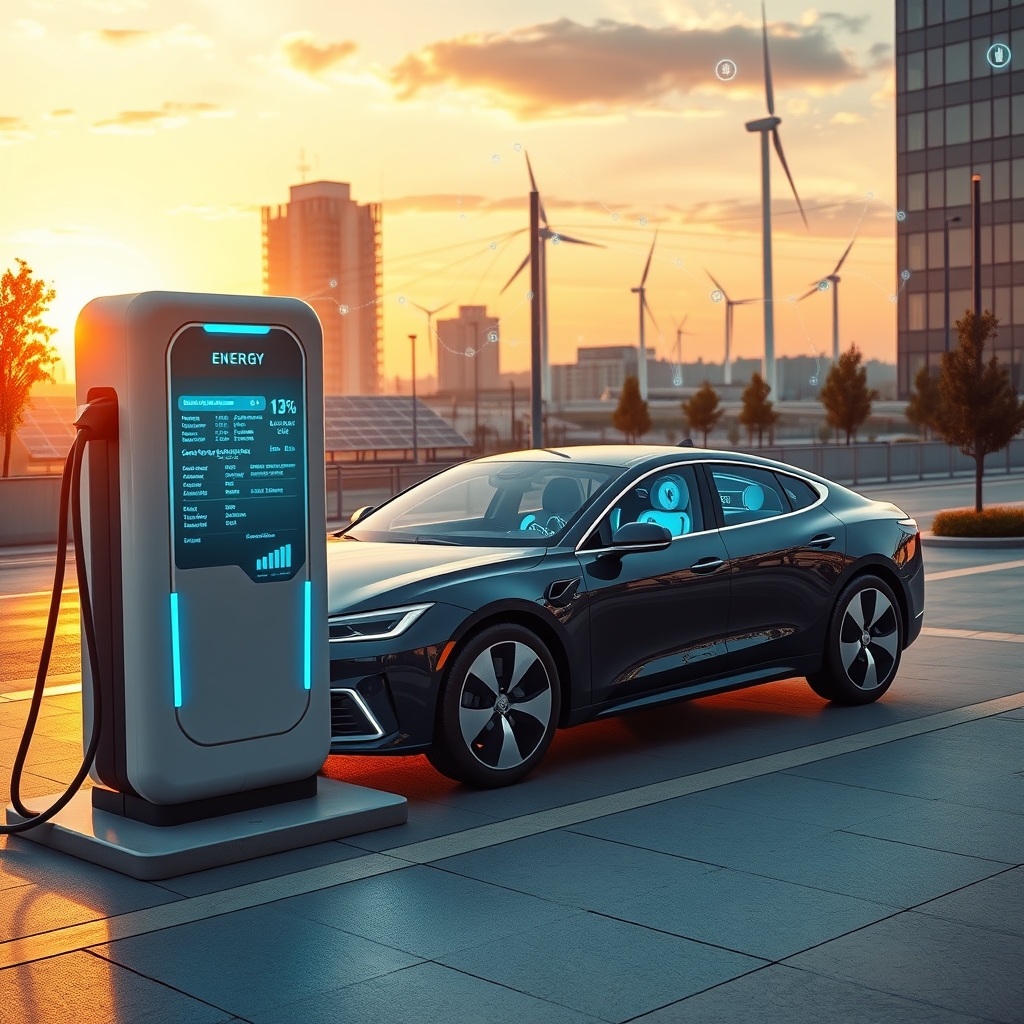
The electric vehicle (EV) revolution is not just about the cars themselves—it’s about the invisible systems that make them smarter, more efficient, and more sustainable. At the heart of this transformation lies the synergy between battery management systems (BMS) and smart charging infrastructure, two technologies that are quietly redefining how we power the future of mobility. While flashy innovations like solid-state batteries and autonomous driving systems grab headlines, it’s these behind-the-scenes advancements that are ensuring EVs deliver on their promise of carbon-neutral mobility without compromise.
The Brain Behind the Battery
A battery management system is the unsung hero of every electric vehicle, acting as the central nervous system that monitors, controls, and optimizes battery performance. Without a sophisticated BMS, even the most advanced lithium-ion or solid-state batteries would be prone to inefficiencies, degradation, and safety risks. These systems regulate charging and discharging, balance cell voltages, manage thermal conditions, and predict battery health—all in real time. The result? Longer battery life, improved range, and enhanced safety, making EVs more reliable and cost-effective for consumers.
But the role of BMS extends beyond individual vehicles. When integrated with connected car technology, these systems enable vehicle-to-grid (V2G) communication, allowing EVs to not only draw power from the grid but also feed it back when needed. This bidirectional energy flow turns EVs into mobile energy storage units, stabilizing grids powered by intermittent renewable energy sources like wind and solar. The implications are profound: a fleet of smart EVs could help balance energy demand, reduce strain on power plants, and accelerate the transition to a zero-emission energy ecosystem.
The Rise of Smart Charging: Intelligence Meets Infrastructure
While BMS optimizes the vehicle’s internal workings, smart charging infrastructure ensures that the energy flowing into EVs is as efficient and sustainable as possible. Traditional charging stations operate on a first-come, first-served basis, often leading to peak-hour congestion and increased strain on the grid. Smart charging, however, leverages AI-driven algorithms and real-time data to dynamically adjust charging speeds, schedules, and energy sources based on grid demand, electricity prices, and renewable energy availability.
For example, a smart charging station might prioritize charging during off-peak hours when electricity is cheaper and cleaner, or it might slow down charging when the grid is under stress. Some advanced systems even integrate with home energy management systems, allowing EV owners to charge their vehicles using excess solar power generated during the day. This not only reduces costs but also maximizes the use of clean energy, further shrinking the carbon footprint of electric mobility.
Moreover, smart charging infrastructure is evolving to support regenerative braking and vehicle-to-everything (V2X) technologies. Imagine an EV that not only recovers energy while braking but also shares that stored energy with your home during a blackout or sells it back to the grid during peak demand. These capabilities are no longer futuristic—they’re being tested and deployed in pilot programs around the world, proving that the future of charging is as much about intelligence as it is about infrastructure.
The Ripple Effect on Sustainable Mobility
The synergy between BMS and smart charging doesn’t just benefit individual drivers—it has a ripple effect across the entire transportation ecosystem. For fleets of electric buses, trucks, or delivery vehicles, optimized battery management and smart charging can significantly reduce downtime and operational costs. Cities can leverage these technologies to create smart grids that integrate EVs with public transit, bike-sharing programs, and renewable energy microgrids, fostering a holistic approach to sustainable urban mobility.
Consider the potential for hydrogen fuel cells and synthetic fuels in this ecosystem. While battery-electric vehicles dominate the passenger car market, heavy-duty transport and long-haul logistics may rely on alternative solutions. Here, too, BMS and smart charging play a role. Hydrogen refueling stations, for instance, could use smart systems to optimize hydrogen production from renewable sources, while synthetic fuels could be integrated into hybrid powertrains with advanced BMS to ensure seamless operation. The goal is not to pit technologies against each other but to create a flexible, interconnected system where each solution complements the others.
Overcoming the Challenges Ahead
Despite their promise, the widespread adoption of BMS and smart charging faces hurdles. Standardization remains a key challenge—different manufacturers use proprietary systems, making it difficult to create a unified charging network. Cybersecurity is another concern, as connected charging stations and BMS could become targets for hackers if not properly secured. Additionally, the upfront costs of deploying smart infrastructure can be prohibitive for some regions, particularly in developing markets where EV adoption is still in its early stages.
However, these challenges are not insurmountable. Governments and industry leaders are already collaborating to establish common standards, such as the ISO 15118 protocol for vehicle-to-grid communication. Investments in cybersecurity are ramping up, with blockchain and encryption technologies being explored to safeguard charging networks. As for costs, economies of scale and advancements in technology are expected to drive prices down, making smart charging and BMS more accessible over time.
The Human Factor: Educating and Engaging Consumers
Technology alone cannot drive the transition to sustainable mobility—consumer awareness and engagement are equally critical. Many EV owners are still unaware of the benefits of smart charging or how to maximize their vehicle’s battery life through proper BMS settings. Automakers and charging providers must prioritize education, offering user-friendly apps and dashboards that provide real-time insights into charging patterns, energy savings, and battery health. Incentives, such as discounted electricity rates for off-peak charging or rewards for participating in V2G programs, can also encourage adoption.
Public-private partnerships can play a pivotal role here. For instance, utility companies could offer dynamic pricing plans that align with smart charging, while municipalities could integrate EV charging into urban planning, ensuring that charging stations are as ubiquitous as gas stations. By making smart charging and BMS technologies intuitive and rewarding, we can accelerate the shift toward a carbon-neutral transportation system that benefits everyone.
The road to a sustainable future is paved with innovation, but it’s the invisible systems—the ones working quietly behind the scenes—that will determine how smoothly we travel it. Battery management systems and smart charging infrastructure are not just supporting players in the EV revolution; they are the backbone of a smarter, cleaner, and more resilient mobility ecosystem. As these technologies continue to evolve, they will unlock new possibilities for efficiency, sustainability, and connectivity, proving that the future of transportation is not just electric—it’s intelligent.