
The Science of Fuel Flow: How Modern Injection Systems and Pressure Control Maximize Engine Potential
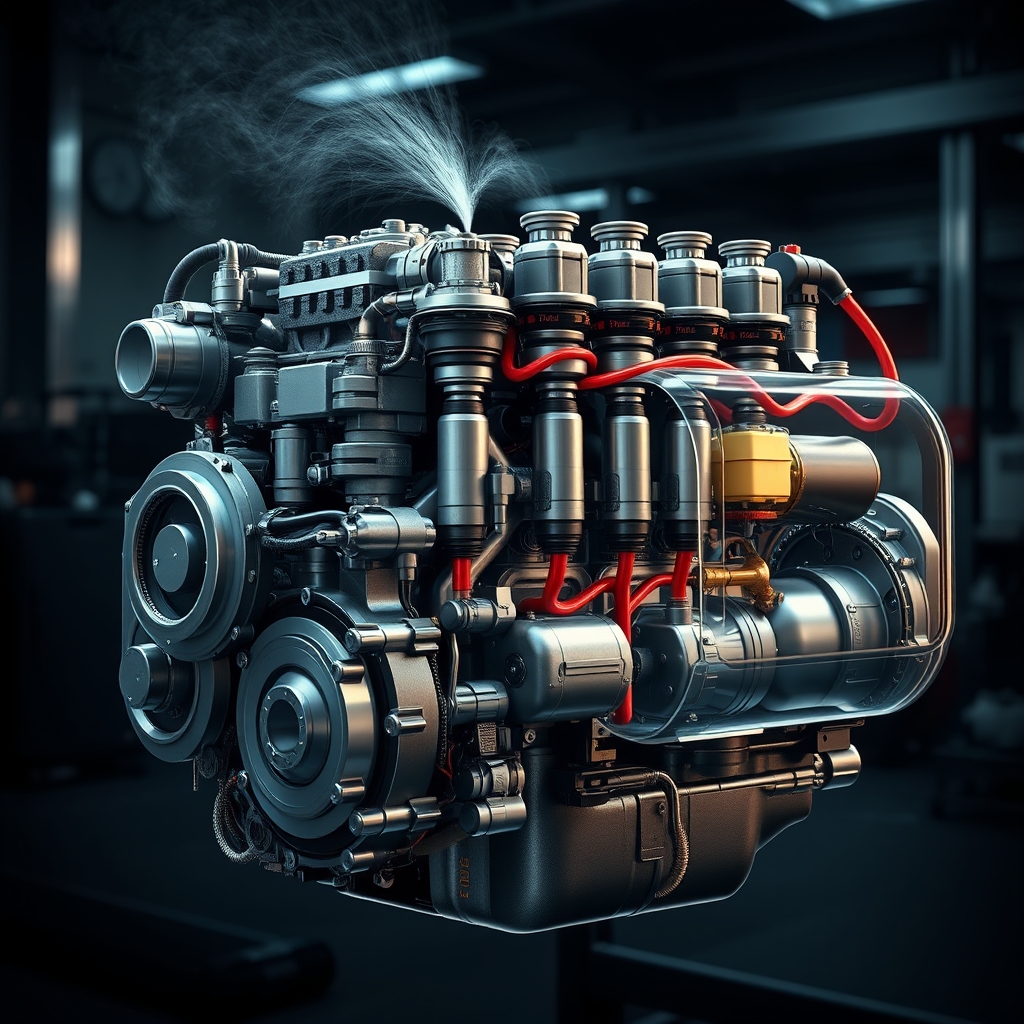
Modern engines are marvels of engineering, where every component plays a critical role in balancing power, efficiency, and emissions. At the heart of this balance lies the fuel injection system—a network of precision-engineered parts that ensure fuel is delivered with exacting accuracy. While many drivers focus on horsepower or torque, the real magic happens in the unseen orchestration of fuel flow, pressure regulation, and atomization. Understanding these systems reveals how today’s engines achieve remarkable performance without sacrificing reliability.
The Foundation: Electronic Fuel Injection and Its Evolution
Electronic Fuel Injection (EFI) replaced carburetors decades ago, but its evolution has been far from static. Early systems relied on Throttle Body Injection (TBI), where a single injector sprayed fuel into the intake manifold. While effective, TBI lacked the precision needed for modern engines. The shift to Multi-Point Fuel Injection (MPFI) introduced individual injectors for each cylinder, improving fuel distribution and combustion efficiency. Today, Direct Fuel Injection (DFI) takes this further by spraying fuel directly into the combustion chamber, allowing for even greater control over air-fuel mixtures and enabling higher compression ratios without knocking.
The Role of High-Pressure Fuel Pumps in Performance
A high-pressure fuel pump is the unsung hero of modern injection systems, particularly in direct-injection engines. Unlike traditional mechanical pumps, these units generate pressures exceeding 2,000 psi (138 bar), ensuring fuel is atomized into a fine mist for optimal combustion. In Common Rail Diesel Injection systems, pressures can soar above 30,000 psi, enabling cleaner burns and reduced particulate emissions. However, these pumps operate under extreme stress, making their design and maintenance critical. A failing high-pressure pump can lead to misfires, poor acceleration, and even catastrophic engine damage, underscoring the importance of regular fuel system diagnostics.
Pressure Regulation: The Key to Consistency
Fuel pressure must remain stable regardless of engine load or speed, and this is where the Fuel Pressure Regulator and Fuel Rail Pressure Sensor come into play. In returnless fuel systems, the regulator maintains consistent pressure by adjusting fuel flow back to the tank, eliminating the need for a return line. This design reduces fuel vapor emissions and improves efficiency. Meanwhile, the Fuel Rail Pressure Sensor monitors pressure in real time, sending data to the Engine Control Unit (ECU) to fine-tune injection timing and duration. Without these components, engines would struggle with hesitation, rough idling, or excessive fuel consumption.
Sequential Port Injection: Precision Timing for Efficiency
Sequential Port Injection (SPI) takes MPFI a step further by synchronizing fuel delivery with each cylinder’s intake stroke. Unlike batch-fire systems, where injectors spray simultaneously, SPI ensures fuel is delivered at the optimal moment, improving throttle response and reducing emissions. This system is particularly beneficial in turbocharged engines, where precise fueling prevents pre-ignition and maximizes power output. The result is a smoother, more responsive driving experience without the fuel waste associated with older injection methods.
The Hidden Components: Fuel Delivery Modules and Vent Valves
While injectors and pumps often steal the spotlight, the Fuel Delivery Module (FDM) is the backbone of the fuel system. Located inside the fuel tank, the FDM integrates the fuel pump, fuel level sending unit, and sometimes even the fuel filter into a single assembly. This modular design simplifies installation and reduces the risk of leaks, but it also means a single failure can disable the entire system. Similarly, the Fuel Tank Vent Valve and Carbon Canister Purge Valve play crucial roles in emissions control. The vent valve prevents pressure buildup in the tank, while the purge valve recirculates fuel vapors into the engine for combustion, reducing harmful emissions.
Dual-Stage Fuel Pumps and High-Flow Fuel Rails
Performance engines demand more fuel than stock systems can provide, leading to innovations like dual-stage fuel pumps and high-flow fuel rails. Dual-stage pumps combine a low-pressure lift pump with a high-pressure pump, ensuring consistent fuel delivery even under extreme loads. High-flow fuel rails, meanwhile, distribute fuel evenly to all injectors, preventing pressure drops that could starve cylinders. These upgrades are essential for forced-induction engines, where fuel demand can spike instantaneously. Without them, engines risk lean conditions, leading to detonation and potential damage.
Maintaining Peak Performance: Fuel System Care
Even the most advanced fuel systems require maintenance to perform at their best. Fuel injectors can become clogged with deposits over time, reducing spray patterns and efficiency. Using a high-quality fuel injector cleaner can restore performance, but severe cases may require professional cleaning or replacement. Similarly, the fuel filter should be replaced at regular intervals to prevent contaminants from reaching the injectors or pump. In diesel engines, water separators and fuel additives help prevent corrosion and microbial growth, which can clog filters and damage injection components.
Flex Fuel Sensors and the Future of Adaptive Fueling
As alternative fuels gain traction, Flex Fuel Sensors have become a key component in adaptive fuel systems. These sensors detect the ethanol content in fuel, allowing the ECU to adjust ignition timing and fuel delivery for optimal performance. This technology enables vehicles to run on gasoline, E85, or any blend in between, providing flexibility without sacrificing efficiency. As automakers push for lower emissions and greater fuel diversity, adaptive systems like these will play an increasingly vital role in engine design.
Every component in a modern fuel system, from the high-pressure pump to the fuel tank vent valve, works in harmony to deliver power with precision. The advancements in injection technology have not only improved performance but also reduced emissions and enhanced reliability. Yet, these systems are only as strong as their weakest link. Regular maintenance, quality fuel, and an understanding of how these components interact can mean the difference between an engine that hums with efficiency and one that struggles under pressure. The science of fuel flow is a testament to how far automotive engineering has come—and how much further it can go with the right care and innovation.