The Silent Evolution: How Autonomous Driving Systems and Battery Management Innovations Are Redefining Zero Emission Mobility
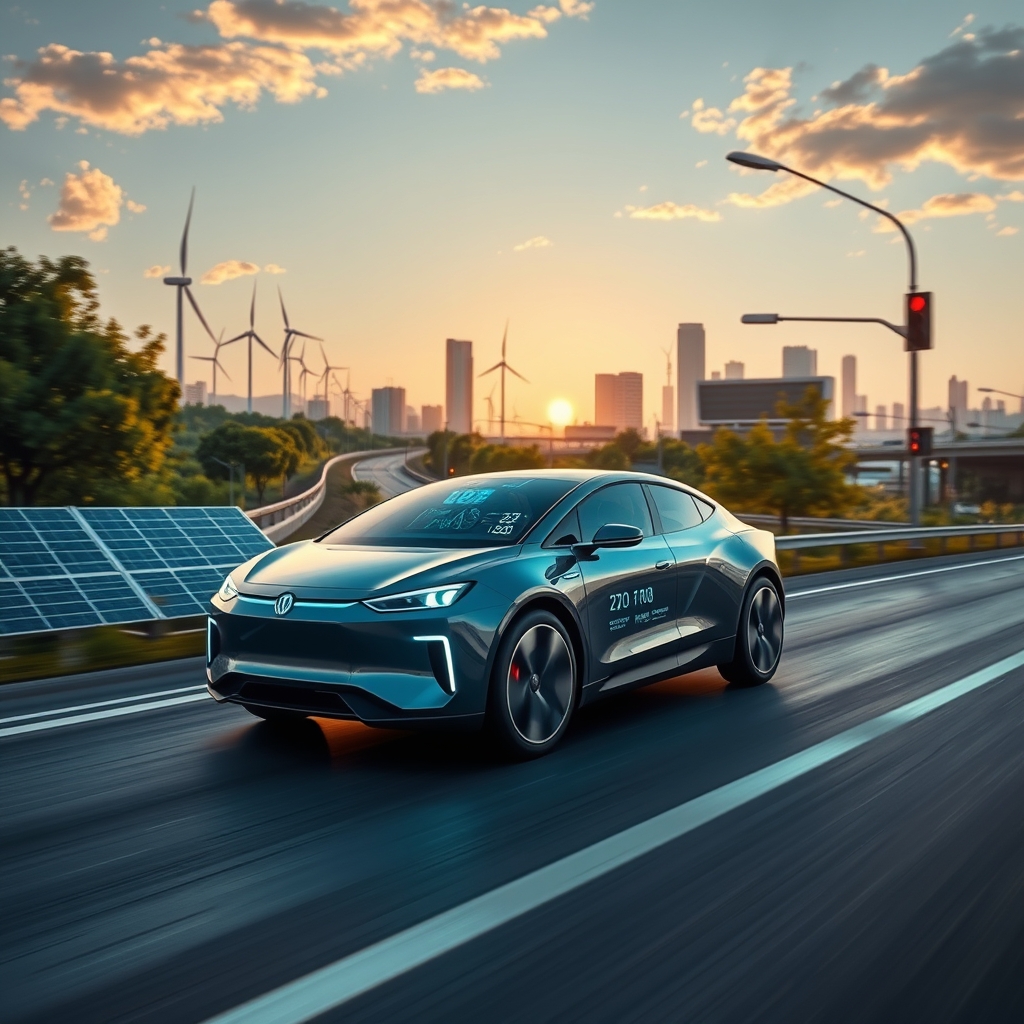
The automotive industry is undergoing a transformation so profound that its ripple effects are reshaping urban landscapes, energy grids, and even global climate policies. At the heart of this shift lies a convergence of two groundbreaking technologies: autonomous driving systems and advanced battery management innovations. Together, they are not just redefining what it means to drive but are also accelerating the transition toward a zero-emission future. The synergy between these technologies is creating a mobility ecosystem that is smarter, cleaner, and more efficient than ever before.
The Autonomous Advantage: Driving Efficiency Beyond Human Limits
Autonomous driving systems are often celebrated for their potential to reduce accidents, alleviate traffic congestion, and provide mobility solutions for those unable to drive. However, their role in carbon-neutral mobility is equally transformative. Self-driving vehicles are designed to optimize every aspect of the driving experience, from route planning to energy consumption. By leveraging real-time data and predictive algorithms, these systems can minimize unnecessary acceleration, braking, and idling—behaviors that significantly impact a vehicle’s thermal efficiency and overall energy consumption.
For instance, autonomous vehicles can communicate with smart charging infrastructure to ensure they are charged during off-peak hours, reducing strain on the grid and integrating renewable energy sources more effectively. They can also employ regenerative braking with surgical precision, capturing kinetic energy that would otherwise be lost as heat. This level of optimization is nearly impossible to achieve with human drivers, who are prone to variability in driving styles and habits. The result is a dramatic reduction in energy waste, bringing us closer to a future where mobility is not just autonomous but also sustainable.
Battery Management: The Unsung Hero of Zero Emission Vehicles
While autonomous systems are revolutionizing how vehicles operate on the road, battery management systems (BMS) are quietly redefining the very foundation of electric mobility. A BMS is the brain behind an electric vehicle’s (EV) battery pack, ensuring optimal performance, longevity, and safety. However, the latest advancements in BMS technology are pushing the boundaries of what EVs can achieve, particularly in terms of range, charging speed, and energy efficiency.
One of the most exciting developments in this space is the integration of solid-state batteries with advanced BMS. Unlike traditional lithium-ion batteries, solid-state batteries offer higher energy density, faster charging times, and improved safety. However, their full potential can only be unlocked with a BMS capable of managing their unique characteristics. Modern BMS solutions use machine learning and adaptive algorithms to monitor and balance individual battery cells in real time, preventing degradation and maximizing efficiency. This not only extends the lifespan of the battery but also ensures that the vehicle operates at peak thermal efficiency, further reducing its carbon footprint.
The Role of Connected Car Technology in Enhancing BMS
The synergy between connected car technology and BMS is another game-changer. Connected vehicles can transmit data about their battery health, charging patterns, and energy consumption to cloud-based platforms. This data is then analyzed to provide predictive maintenance alerts, optimize charging schedules, and even suggest eco-friendly driving routes. For example, if a vehicle’s BMS detects that the battery is degrading faster than expected, the system can recommend a charging station that uses renewable energy or adjust the vehicle’s power output to preserve battery life.
Moreover, connected car technology enables vehicle-to-grid (V2G) systems, where EVs can feed excess energy back into the grid during peak demand. This not only stabilizes the energy grid but also turns EVs into mobile energy storage units, further integrating them into a carbon-neutral mobility ecosystem. The combination of BMS and connected car technology is transforming EVs from mere modes of transportation into intelligent, energy-positive assets.
The Road Ahead: A Holistic Approach to Sustainable Mobility
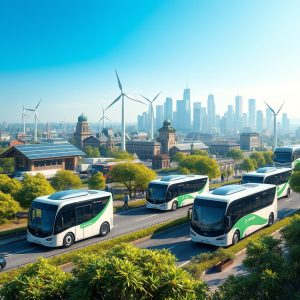
The integration of autonomous driving systems and advanced battery management is not just about improving individual vehicles—it’s about creating a holistic, sustainable mobility ecosystem. As these technologies mature, they will enable new business models, such as mobility-as-a-service (MaaS), where fleets of autonomous EVs are shared among users, reducing the need for private car ownership. This shift will further decrease the number of vehicles on the road, lowering emissions and alleviating urban congestion.
Additionally, the data generated by autonomous vehicles and BMS can inform urban planning and infrastructure development. Cities can use this data to design smarter roads, optimize traffic signals, and expand smart charging infrastructure in areas where it is most needed. The insights gained from these systems can also accelerate the adoption of eco-friendly biofuels and synthetic fuels in sectors where electrification is challenging, such as aviation and shipping.
Challenges and Opportunities on the Path to Zero Emission Mobility
Despite the promise of these technologies, several challenges remain. The widespread adoption of autonomous vehicles requires robust regulatory frameworks, standardized safety protocols, and public trust. Similarly, the transition to solid-state batteries and advanced BMS demands significant investment in research, development, and manufacturing infrastructure. However, these challenges also present opportunities for innovation and collaboration across industries.
For example, partnerships between automakers, tech companies, and energy providers can accelerate the development of smart charging networks that support both autonomous and electric vehicles. Governments can incentivize the adoption of these technologies through subsidies, tax breaks, and investments in renewable energy. Meanwhile, consumers can play a role by embracing shared mobility solutions and advocating for policies that prioritize sustainable transportation.
The journey toward zero-emission mobility is not a sprint but a marathon, requiring sustained effort, innovation, and collaboration. As autonomous driving systems and battery management technologies continue to evolve, they will unlock new possibilities for efficiency, sustainability, and convenience. The road ahead is paved with challenges, but it is also filled with opportunities to redefine what it means to move through the world. The silent evolution of these technologies is not just changing how we drive—it is shaping a future where mobility is cleaner, smarter, and more accessible for all. The wheels of progress are already in motion, and there is no turning back.