
The Precision Pulse: How Modern Fuel Injection Systems Deliver Power and Efficiency
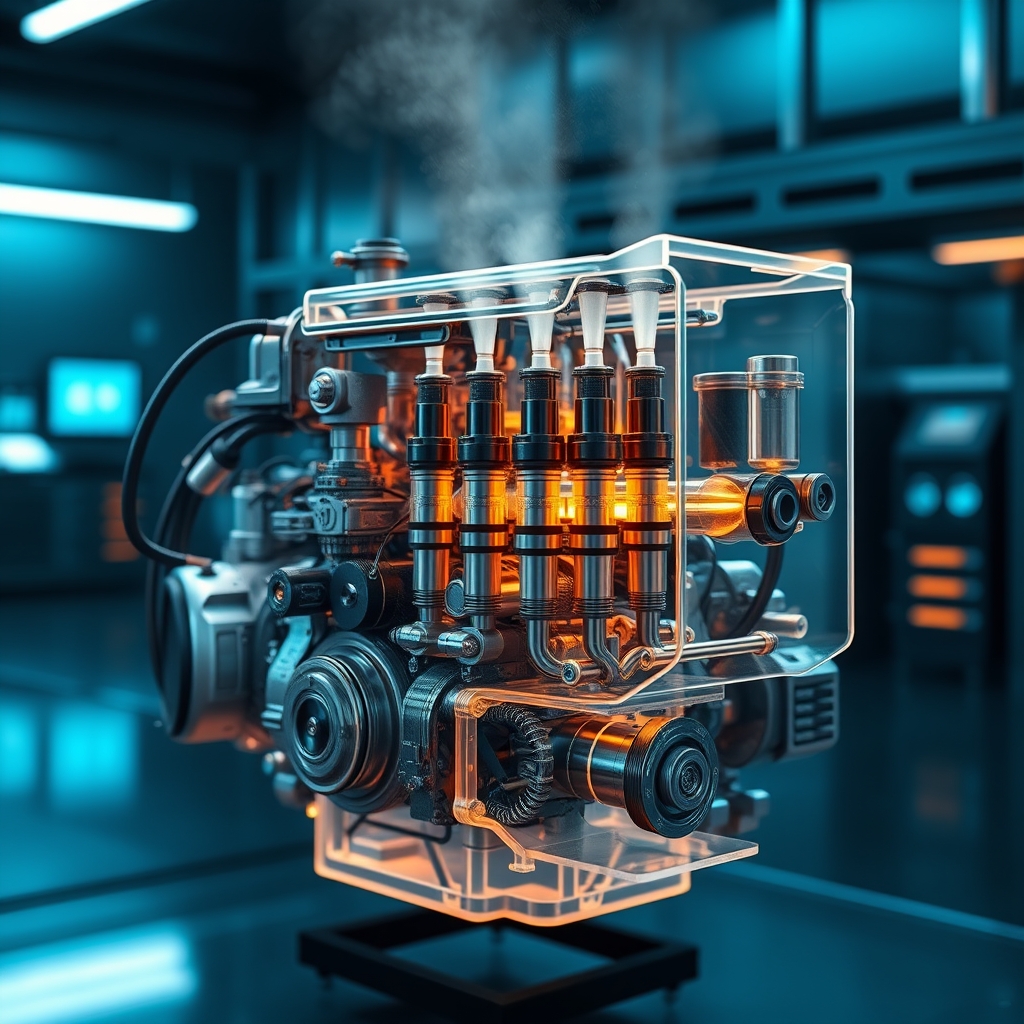
In the intricate dance of internal combustion, few systems play a more pivotal role than fuel injection. Gone are the days of carburetors sputtering to life, replaced by a symphony of sensors, pumps, and injectors working in perfect harmony. Modern fuel injection systems are marvels of engineering, balancing power, efficiency, and emissions with surgical precision. But how do these systems function, and what makes them so indispensable to today’s engines?
The Heartbeat of the Engine: Direct Fuel Injection
Direct fuel injection (DFI) represents the gold standard in modern fuel delivery. Unlike older systems that sprayed fuel into the intake manifold, DFI injects fuel directly into the combustion chamber. This allows for finer control over the air-fuel mixture, optimizing combustion for power and efficiency. The result? Engines that deliver more torque, better fuel economy, and lower emissions—all while running smoother than ever before.
At the core of DFI is the high-pressure fuel pump, a component that pressurizes fuel to levels exceeding 2,000 psi (138 bar) in some applications. This extreme pressure ensures that fuel is atomized into a fine mist, allowing for complete combustion. Without this pump, the entire system would falter, leading to poor performance and potential engine damage. It’s a testament to how far fuel delivery technology has come, transforming what was once a mechanical afterthought into a precision instrument.
The Role of the Fuel Injector Cleaner
Even the most advanced systems require maintenance, and fuel injectors are no exception. Over time, deposits from fuel additives, contaminants, and carbon buildup can clog injectors, disrupting the delicate spray pattern. This is where fuel injector cleaner comes into play. These additives dissolve deposits, restoring injector performance and preventing long-term damage. Regular use of a quality cleaner can improve throttle response, reduce emissions, and even extend the life of the fuel pump and injectors.
However, not all cleaners are created equal. Some are designed for preventive maintenance, while others tackle severe buildup. Choosing the right product depends on the engine’s age, fuel type, and driving conditions. For modern direct injection engines, a cleaner with strong detergents and lubricants is often the best choice, ensuring that the system remains free of deposits without harming sensitive components.
Electronic Fuel Injection: The Brain Behind the Brawn
While mechanical systems laid the groundwork, electronic fuel injection (EFI) brought intelligence to the table. EFI systems rely on a network of sensors—including the fuel rail pressure sensor, oxygen sensors, and mass airflow sensors—to monitor engine conditions in real time. This data is fed to the engine control unit (ECU), which adjusts fuel delivery on the fly, ensuring optimal performance under any driving condition.
The fuel pressure regulator plays a critical role in this process, maintaining consistent fuel pressure regardless of engine load. In older return-style systems, excess fuel was sent back to the tank, but modern returnless fuel systems eliminate this inefficiency. Instead, the regulator works in tandem with the ECU to adjust pressure dynamically, reducing fuel waste and improving responsiveness.
Sequential Port Injection: A Step Beyond
For engines that demand even greater precision, sequential port injection (SPI) takes EFI to the next level. Unlike batch or simultaneous injection, SPI delivers fuel to each cylinder individually, timed to match the engine’s firing order. This ensures that each combustion event receives the exact amount of fuel needed, maximizing efficiency and power. SPI is particularly common in high-performance and turbocharged engines, where even minor inefficiencies can lead to significant power losses.
The fuel delivery module is another unsung hero in this setup. Housed inside the fuel tank, this assembly combines the fuel pump, fuel level sending unit, and sometimes even the fuel filter into a single unit. In vehicles with dual-stage fuel pumps, the module can switch between low and high pressure depending on demand, further optimizing fuel delivery. This integration reduces complexity, improves reliability, and makes maintenance easier for technicians.
The Diesel Difference: Common Rail Injection
While gasoline engines benefit from direct injection, diesel engines take it a step further with common rail diesel injection. This system stores fuel at pressures exceeding 30,000 psi (2,070 bar) in a shared rail, feeding it to injectors that can fire multiple times per combustion cycle. The result is quieter, cleaner, and more powerful diesel engines that meet stringent emissions standards without sacrificing performance.
Key to this system’s success is the high-flow fuel rail, which ensures consistent pressure across all injectors. Unlike gasoline engines, where pressure fluctuations can lead to misfires, common rail systems maintain near-constant pressure, even under heavy loads. This precision allows for better control over combustion, reducing soot and nitrogen oxide emissions while improving fuel economy.
Flex Fuel and the Future of Injection
As the automotive industry shifts toward sustainability, flex fuel sensors are becoming increasingly important. These sensors detect the ethanol content in fuel, allowing the ECU to adjust the air-fuel mixture accordingly. This ensures that engines running on E85 (85% ethanol) or gasoline perform optimally, regardless of the fuel blend. It’s a small but critical component in the transition to alternative fuels, proving that fuel injection systems are evolving alongside the vehicles they power.
The fuel tank vent valve and carbon canister purge valve also play vital roles in modern emissions control. The vent valve allows the fuel tank to breathe, preventing pressure buildup, while the purge valve recirculates fuel vapors back into the engine for combustion. Together, they reduce evaporative emissions, helping vehicles meet strict environmental regulations without sacrificing performance.
As engines grow more complex, so too do the systems that feed them. From the high-pressure pumps that pressurize fuel to the sensors that monitor every aspect of combustion, modern fuel injection is a testament to engineering ingenuity. Whether it’s a turbocharged gasoline engine or a diesel powerhouse, these systems ensure that every drop of fuel is used efficiently, delivering power when it’s needed most. The next time you press the accelerator, remember: it’s not just fuel flowing through those lines—it’s precision, performance, and the future of driving.