The Unseen Power of Smart Charging: How Intelligent Infrastructure is Revolutionizing Electric and Hybrid Mobility
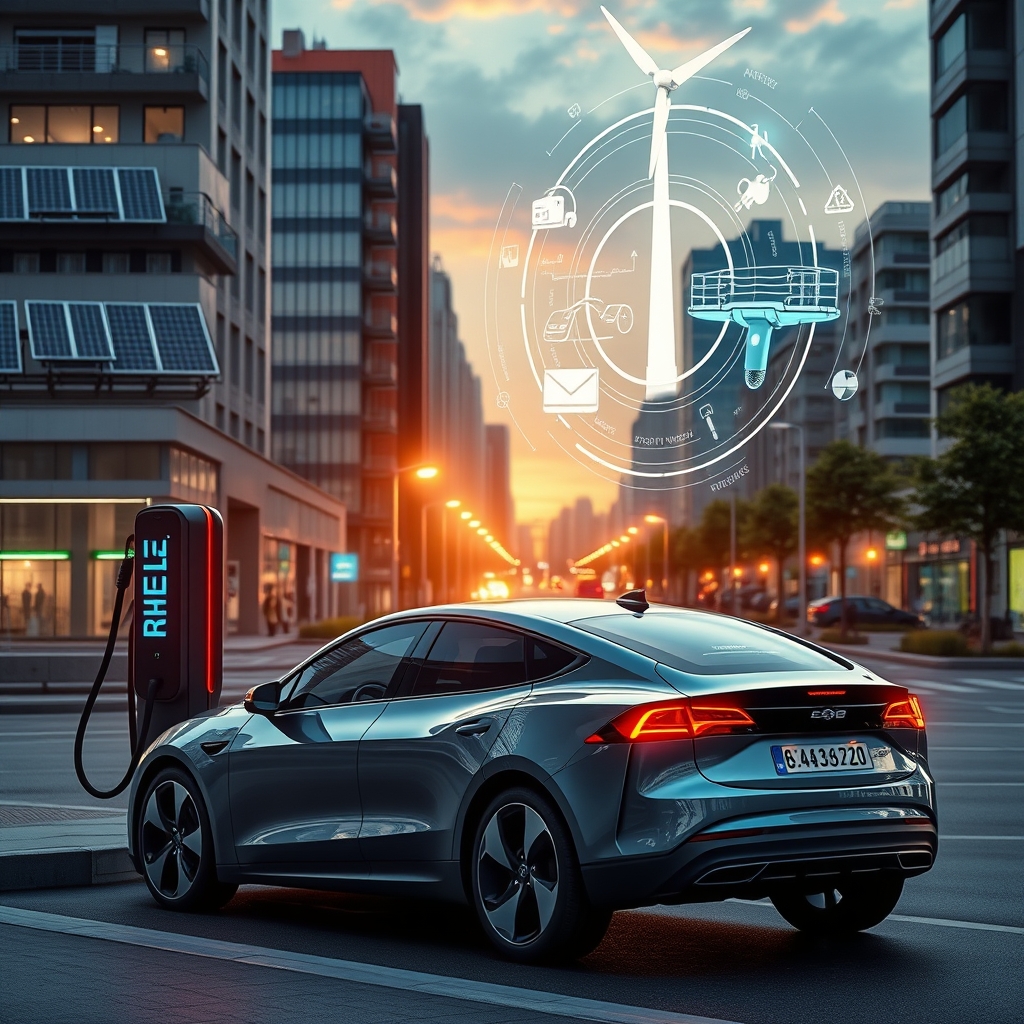
The shift toward electric and hybrid mobility is no longer a distant dream but a tangible reality shaping our roads today. At the heart of this transformation lies an often-overlooked innovation: smart charging infrastructure. Unlike conventional charging systems, smart charging doesn’t just deliver power—it optimizes it, adapts to demand, and integrates seamlessly with the broader energy ecosystem. This silent revolution is redefining how we power our vehicles, making mobility not just cleaner but smarter and more efficient than ever before.
The Intelligence Behind the Outlet
Smart charging infrastructure is more than just a network of charging stations; it’s a dynamic system that leverages real-time data, artificial intelligence, and grid integration to enhance efficiency. These systems can adjust charging speeds based on grid demand, prioritize renewable energy sources, and even communicate with vehicles to optimize battery health. For instance, during off-peak hours, smart chargers can slow down the charging process to reduce strain on the grid, while during peak renewable energy production—such as midday solar output—they can accelerate charging to maximize clean energy usage.
This level of intelligence is critical for scaling electric mobility. As more electric vehicles (EVs) hit the road, the demand for electricity will surge. Without smart systems, this could lead to grid instability or increased reliance on fossil fuels. Smart charging mitigates these risks by ensuring that power is distributed efficiently, reducing waste, and lowering costs for both consumers and energy providers.
The Synergy with Renewable Energy
One of the most compelling aspects of smart charging is its ability to integrate with renewable energy sources. Traditional charging systems often draw power from the grid without regard for the source of that electricity. Smart chargers, however, can be programmed to prioritize energy from wind, solar, or other renewables. This not only reduces the carbon footprint of EVs but also accelerates the transition to a fully renewable energy grid.
For example, vehicle-to-grid (V2G) technology allows EVs to not only draw power from the grid but also feed excess energy back into it. During periods of high demand, EVs connected to smart chargers can supply stored energy to the grid, acting as mobile energy storage units. This bidirectional flow of energy turns EVs into active participants in the energy ecosystem, rather than passive consumers. The result is a more resilient and sustainable energy infrastructure that benefits everyone.
Enhancing Battery Longevity and Performance
Smart charging isn’t just about the grid—it’s also about the vehicle. Advanced smart chargers can communicate with a vehicle’s battery management system (BMS) to optimize charging patterns. This means avoiding overcharging, balancing cell health, and even preconditioning batteries for optimal performance. For instance, some smart chargers can learn a driver’s routine and pre-condition the battery to the ideal temperature before departure, improving efficiency and extending battery life.
This level of integration is particularly valuable for fleet operators and commercial EV users, where battery longevity directly impacts operational costs. By reducing wear and tear on batteries, smart charging can lower maintenance expenses and extend the lifespan of EVs, making them a more viable long-term investment.
The Role of Connected Car Technology
Smart charging doesn’t operate in isolation—it thrives in conjunction with connected car technology. Modern EVs are equipped with advanced telematics and connectivity features that allow them to communicate with charging networks, navigation systems, and even other vehicles. This connectivity enables features like dynamic route planning, where the vehicle can suggest charging stops based on real-time traffic, charger availability, and battery status.
For example, an EV navigating a long road trip can use connected car technology to identify the most efficient charging stations along the route, taking into account factors like charger speed, wait times, and even the availability of amenities like restaurants or rest areas. This level of integration transforms the charging experience from a chore into a seamless part of the journey, making EVs more practical and appealing to a broader audience.
Overcoming the Challenges of Scalability
While smart charging holds immense promise, its widespread adoption faces challenges. Infrastructure costs, regulatory hurdles, and the need for standardized protocols are just a few of the obstacles that must be overcome. However, the benefits far outweigh the challenges. Governments, utilities, and private companies are increasingly investing in smart charging networks, recognizing their potential to accelerate the transition to zero-emission mobility.
Public-private partnerships are playing a crucial role in this transition. For instance, cities are collaborating with energy providers to install smart chargers in urban areas, while businesses are integrating them into parking lots and commercial spaces. These efforts are not only expanding access to charging but also ensuring that the infrastructure is future-proof and capable of supporting the next generation of EVs.
As we stand on the brink of a mobility revolution, smart charging infrastructure is proving to be a game-changer. It’s not just about powering vehicles—it’s about creating a smarter, more sustainable energy ecosystem that benefits everyone. By optimizing energy use, integrating renewables, and enhancing vehicle performance, smart charging is paving the way for a future where mobility is cleaner, more efficient, and seamlessly connected. The road ahead is electric, and with smart charging at the wheel, the journey promises to be nothing short of transformative.