The Art of Smarter Fuel Consumption Analysis: Unlocking Efficiency in Modern Logistics
In an era where sustainability is no longer a choice but a necessity, industries across the globe are re-evaluating their energy consumption patterns. Among these, logistics and transportation stand out as sectors where fuel management can make or break both profitability and environmental impact. The key to navigating this complex landscape lies in smarter fuel consumption analysis—a dynamic approach that blends technology, data, and strategic planning to create a more efficient, cost-effective, and eco-conscious future.
The Evolution of Fuel Management: From Guesswork to Precision
Traditionally, fuel management in logistics relied heavily on manual tracking, historical data, and educated guesses. Fleet managers would estimate fuel needs based on past consumption, route distances, and vehicle types, often leading to inefficiencies such as overfilling, underutilization, or unnecessary refueling stops. These methods, while functional, lacked the precision required to adapt to real-time variables like traffic, weather, or sudden changes in delivery schedules.
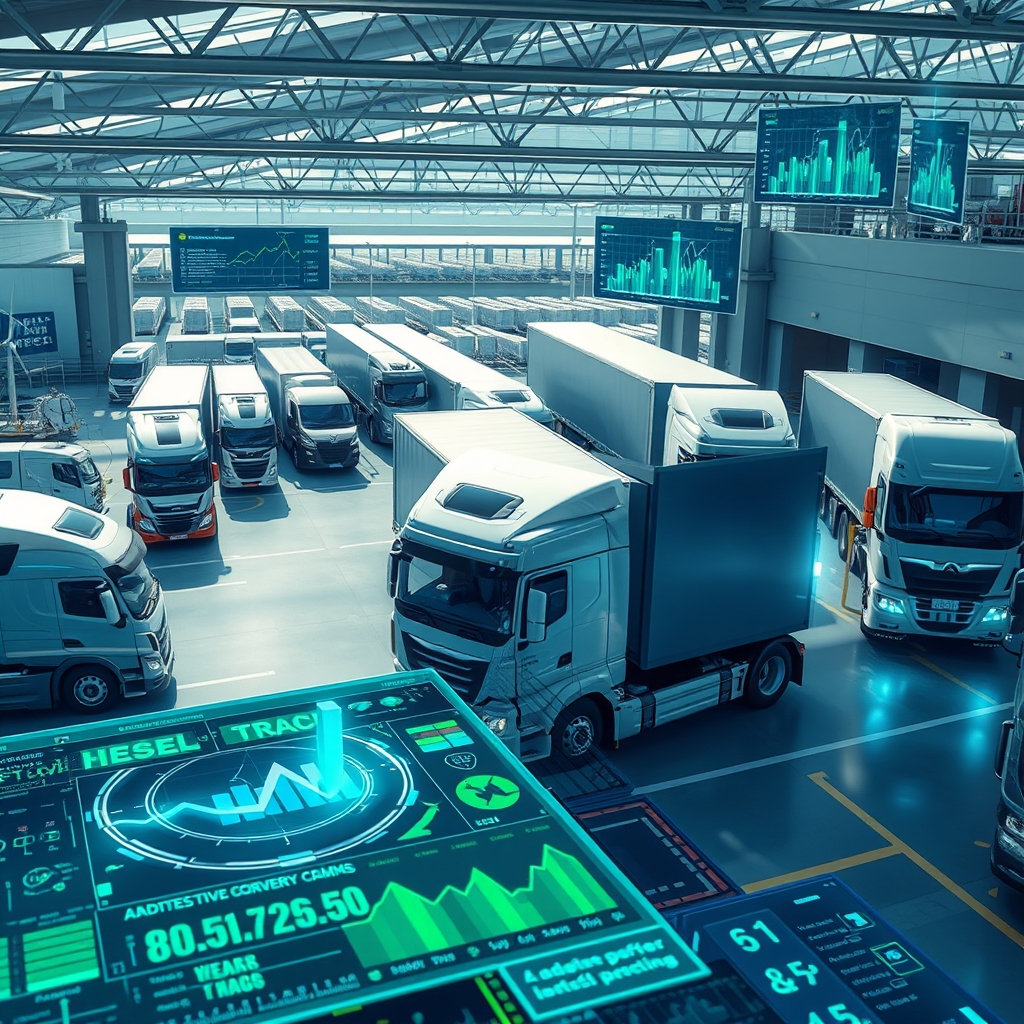
The shift toward data-driven energy planning has transformed this landscape. Modern fuel management systems now leverage real-time consumption data to provide granular insights into how, when, and where fuel is being used. Sensors installed in vehicles monitor everything from engine performance to idling time, while telematics systems track route efficiency and driver behavior. This wealth of information allows fleet operators to move beyond reactive strategies and adopt a proactive, predictive approach to fuel management.
Predictive Analytics: The Game-Changer in Fuel Efficiency
At the heart of smarter fuel consumption analysis is predictive fuel analytics, a technology that uses machine learning and historical data to forecast fuel needs with remarkable accuracy. By analyzing patterns in fuel usage—such as seasonal variations, route-specific consumption, or vehicle performance—predictive models can anticipate future demand and suggest optimizations before inefficiencies arise.
For example, a logistics company might use predictive analytics to determine the most fuel-efficient routes for a fleet of delivery trucks. The system could factor in variables like traffic congestion, road gradients, and even the weight of the cargo to recommend the optimal path. Similarly, predictive maintenance alerts can help prevent fuel-wasting issues like engine inefficiencies or tire underinflation before they escalate into costly problems.
The benefits of predictive analytics extend beyond fuel savings. By reducing unnecessary fuel consumption, companies can lower their carbon footprint, contributing to carbon-neutral fuel solutions and aligning with global sustainability goals. Moreover, the ability to anticipate fuel needs minimizes downtime, ensuring that vehicles are always ready for the road and reducing the risk of delays in delivery schedules.
Intelligent Monitoring: The Eyes and Ears of Fuel Management
While predictive analytics provides the foresight, intelligent fuel monitoring offers the real-time oversight needed to keep operations running smoothly. Advanced monitoring systems use IoT (Internet of Things) devices to track fuel levels, consumption rates, and even potential leaks or theft. These systems can send instant alerts to fleet managers if anomalies are detected, allowing for swift corrective action.
One of the most significant advantages of intelligent monitoring is its ability to foster transparent fuel tracking. With detailed, real-time data at their fingertips, companies can provide stakeholders—from clients to regulatory bodies—with verifiable proof of fuel usage and efficiency. This transparency not only builds trust but also simplifies compliance with environmental regulations and reporting requirements.
Optimizing Refueling: The Role of Seamless Logistics
Refueling is often an overlooked aspect of fuel management, yet it plays a critical role in overall efficiency. Traditional refueling methods can be time-consuming and disruptive, particularly for large fleets. Optimized logistics refueling addresses this challenge by streamlining the process, reducing downtime, and ensuring that vehicles are refueled at the most cost-effective and strategically advantageous locations.
Modern refueling solutions leverage integrated fuel logistics to create a seamless experience. For instance, mobile refueling services allow vehicles to be refueled on-site, eliminating the need for detours to gas stations. Meanwhile, automated refueling systems can schedule refills during off-peak hours or when vehicles are already stationary, minimizing disruptions to operations. These innovations not only save time but also reduce fuel waste by ensuring that vehicles are always operating at peak efficiency.
Eco-Conscious Fuel Selection: Balancing Performance and Sustainability
As the world moves toward greener energy sources, eco-conscious fuel selection has become a cornerstone of smarter fuel consumption analysis. While traditional fossil fuels remain prevalent, alternatives like biodiesel, hydrogen, and electric power are gaining traction. The challenge for logistics companies lies in selecting the right fuel for their specific needs—one that balances performance, cost, and environmental impact.
Data-driven tools can help companies evaluate the pros and cons of different fuel types. For example, a fleet manager might use analytics to compare the long-term costs and emissions of diesel versus biodiesel for a particular route. Similarly, real-time data can help determine the feasibility of electric vehicles for short-haul deliveries, taking into account factors like charging infrastructure and battery life. By making informed choices, companies can reduce their reliance on fossil fuels while maintaining the high performance required for modern logistics.
The Human Element: Adaptive Energy Workflows
Technology alone cannot drive smarter fuel consumption—it requires the human element to interpret data, make decisions, and implement changes. Adaptive energy workflows bridge this gap by integrating technology with human expertise, creating a flexible and responsive approach to fuel management.
For instance, fleet managers can use real-time data to adjust routes on the fly, rerouting vehicles to avoid traffic jams or inclement weather. Drivers can receive training on fuel-efficient driving techniques, such as smooth acceleration and braking, which can significantly reduce fuel consumption. Meanwhile, logistics planners can use predictive analytics to optimize load distribution, ensuring that vehicles are neither overloaded nor underutilized.
These adaptive workflows create a culture of continuous improvement, where data and human insight work together to refine fuel management strategies over time. The result is a more agile, efficient, and sustainable logistics operation.
As the logistics industry continues to evolve, the importance of smarter fuel consumption analysis cannot be overstated. By harnessing the power of real-time data, predictive analytics, and intelligent monitoring, companies can unlock new levels of efficiency, reduce costs, and minimize their environmental impact. The future of logistics lies not in static, one-size-fits-all solutions but in dynamic, adaptive strategies that respond to the ever-changing demands of the modern world. In this landscape, those who embrace innovation will not only thrive but also lead the way toward a more sustainable and resilient future for all.