The Rise of Carbon-Neutral Fuel Solutions: Pioneering a New Era in Sustainable Logistics
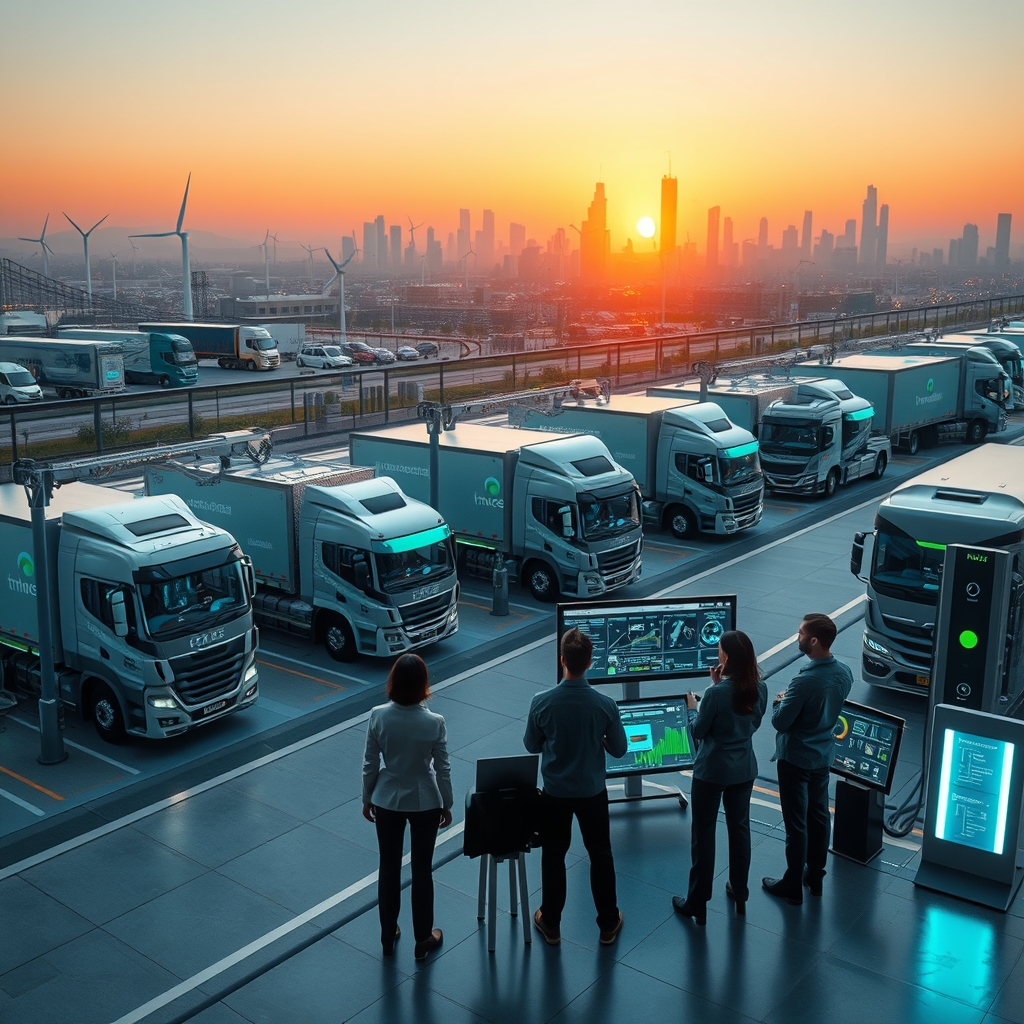
The logistics and transport industry stands at a critical juncture, where the demand for efficiency intersects with the urgent need for sustainability. As global supply chains expand and consumer expectations rise, the pressure to reduce carbon footprints while maintaining operational excellence has never been greater. At the heart of this transformation lies the adoption of carbon-neutral fuel solutions, a paradigm shift that is redefining how businesses approach energy consumption, cost management, and environmental responsibility.
The Evolution of Fuel: From Efficiency to Sustainability
For decades, the focus of fuel management in logistics has been on efficiency—reducing waste, optimizing routes, and minimizing costs. While these strategies have yielded significant benefits, they no longer suffice in a world where climate change and regulatory pressures demand more. The next frontier is sustainable energy consumption, where the goal is not just to use fuel more efficiently but to transition toward sources that leave no lasting environmental impact. Carbon-neutral fuels, such as biofuels, hydrogen, and synthetic fuels, are emerging as viable alternatives, offering the promise of high performance without the carbon guilt.
This shift is not merely about compliance or corporate social responsibility; it is a strategic imperative. Companies that embrace green fuel adoption early are positioning themselves as leaders in a rapidly evolving market. They are also future-proofing their operations against rising fuel costs, carbon taxes, and shifting consumer preferences. The question is no longer whether to adopt sustainable fuels, but how to do so in a way that aligns with business objectives and operational realities.
Intelligent Fuel Monitoring: The Backbone of Carbon-Neutral Operations
Transitioning to carbon-neutral fuels requires more than just switching fuel types; it demands a holistic approach to intelligent fuel monitoring. Advanced telematics, IoT sensors, and AI-driven analytics are now enabling fleets to track fuel consumption in real time, identify inefficiencies, and make data-backed decisions. These technologies provide granular insights into experiential energy usage, revealing patterns that were previously invisible—such as idling times, route inefficiencies, or driver behaviors that contribute to excessive fuel burn.
For example, predictive algorithms can analyze historical and real-time data to forecast fuel needs, ensuring that fleets are refueled at optimal times and locations. This not only reduces downtime but also minimizes the risk of overfilling or underfilling, which can lead to waste or operational disruptions. Moreover, transparent fuel tracking systems build accountability by providing stakeholders with clear, auditable records of fuel usage, emissions, and cost savings. This level of transparency is invaluable for companies looking to demonstrate their sustainability commitments to investors, regulators, and customers.
Optimizing Logistics Refueling for Maximum Impact
The logistics of refueling are often overlooked, yet they play a critical role in the overall efficiency of a fleet. Traditional refueling methods—such as manual fueling at depots or third-party stations—can introduce inefficiencies, including unnecessary detours, waiting times, and inconsistent fuel quality. Optimized logistics refueling addresses these challenges by leveraging technology to create a seamless refueling experience.
One approach is the use of mobile refueling units, which bring fuel directly to vehicles at their point of operation. This eliminates the need for drivers to deviate from their routes, saving time and reducing fuel consumption associated with detours. Another innovation is the integration of adaptive energy workflows, where AI dynamically adjusts refueling schedules based on real-time traffic, weather, and operational demands. For instance, if a delivery route is delayed due to congestion, the system can automatically reschedule refueling to a more convenient time and location, ensuring that vehicles remain operational without unnecessary stops.
Data-Driven Energy Planning: The Key to Cost-Effective Sustainability
Sustainability and cost-effectiveness are often seen as opposing forces, but data-driven energy planning is proving that they can go hand in hand. By harnessing the power of predictive fuel analytics and real-time consumption data, companies can identify opportunities to reduce fuel usage without compromising performance. For example, route optimization algorithms can calculate the most fuel-efficient paths, taking into account factors like terrain, traffic, and vehicle load. Similarly, load balancing tools ensure that vehicles are neither overloaded nor underutilized, both of which can lead to suboptimal fuel consumption.
Beyond operational efficiencies, data-driven planning also enables companies to explore eco-conscious fuel selection on a granular level. For instance, fleets operating in urban areas with strict emissions regulations might prioritize electric or hydrogen-powered vehicles, while long-haul routes could benefit from advanced biofuels. The ability to tailor fuel choices to specific operational contexts ensures that sustainability efforts are both effective and economically viable.
The Role of Advanced Fleet Fueling in Reducing Emissions
Advanced fleet fueling goes beyond traditional methods by incorporating cutting-edge technologies that enhance both performance and sustainability. For example, high-performance energy usage systems can dynamically adjust engine settings to optimize fuel burn based on real-time conditions. This might include reducing power output during downhill stretches or increasing efficiency during acceleration phases. Such systems not only reduce fuel consumption but also extend the lifespan of vehicles by minimizing wear and tear.
Another critical aspect of advanced fleet fueling is the integration of integrated fuel logistics. This involves consolidating fuel procurement, storage, and distribution into a unified system that minimizes waste and maximizes efficiency. For instance, centralized fuel depots equipped with automated dispensing systems can ensure that fuel is distributed evenly across a fleet, reducing the risk of shortages or excess inventory. Additionally, these systems can be linked to smarter fuel consumption analysis tools, which provide actionable insights into fuel usage patterns and opportunities for improvement.
The journey toward carbon-neutral logistics is not without its challenges, but the rewards are substantial. Companies that invest in sustainable transport fueling today are not only reducing their environmental impact but also gaining a competitive edge in an increasingly eco-conscious market. The technologies and strategies driving this transformation—from intelligent fuel monitoring to data-driven energy planning—are no longer futuristic concepts; they are here, and they are reshaping the logistics industry in real time. As businesses continue to adopt these innovations, the vision of a fully sustainable, high-performance logistics sector becomes not just a possibility, but an inevitability. The question is no longer whether the industry will change, but how quickly it can adapt to lead the charge.