The Next Frontier in Powertrain Innovation: How Solid State Batteries and Turbocharged Efficiency Are Redefining Sustainable Mobility
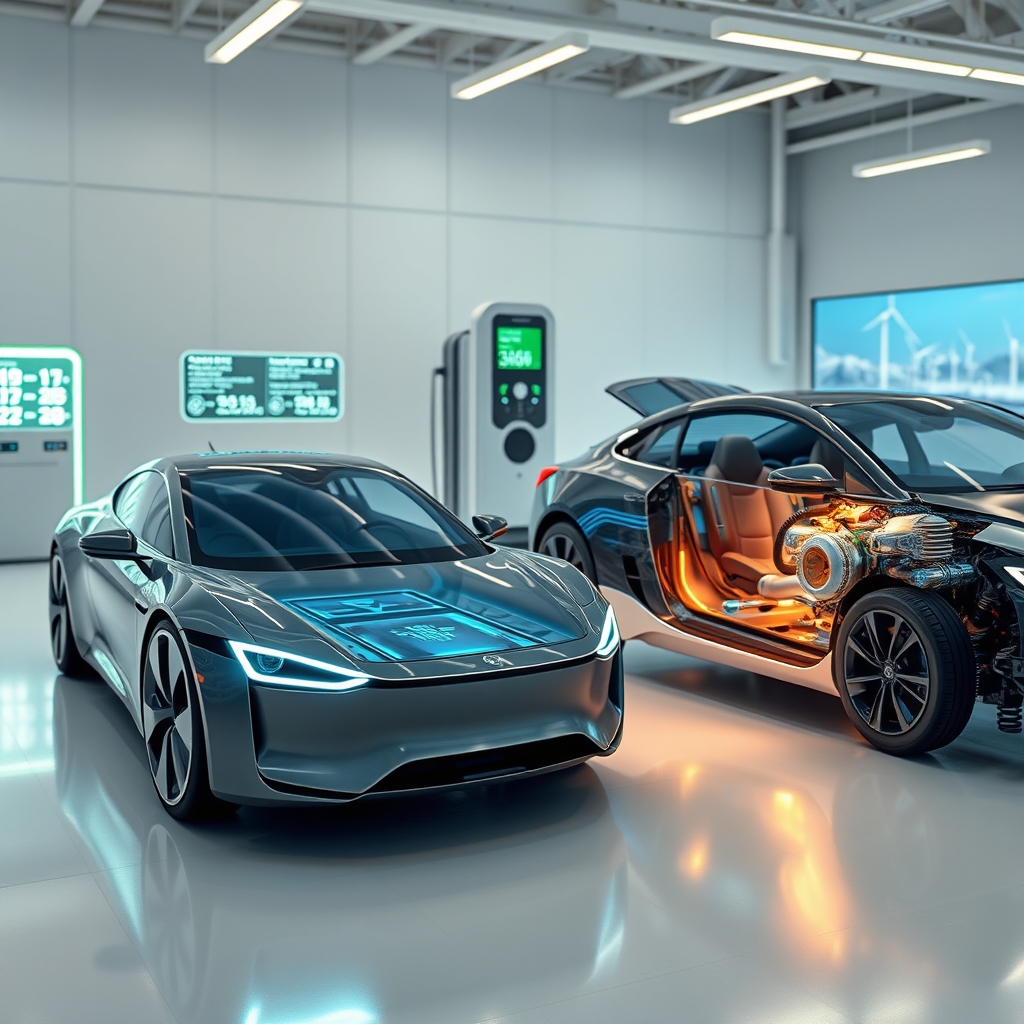
The automotive industry stands at a crossroads, where the urgency of climate action intersects with the relentless pace of technological innovation. As the world grapples with the need to reduce carbon emissions, the focus has shifted toward powertrains that balance performance, efficiency, and sustainability. Among the most promising advancements are solid state batteries and turbocharged direct injection systems, two technologies that are redefining what it means to drive sustainably without compromising on power or practicality.
The Solid State Battery Revolution
For decades, lithium-ion batteries have been the backbone of electric vehicles (EVs), but their limitations—ranging from energy density to charging times—have spurred the search for alternatives. Enter solid state batteries, a game-changing innovation that replaces the liquid or gel electrolyte in traditional batteries with a solid material. This seemingly simple change unlocks a host of benefits, including higher energy density, faster charging, and improved safety.
Solid state batteries can store more energy in the same physical space, which translates to longer driving ranges for EVs. Imagine an electric vehicle that can travel over 600 miles on a single charge, rivaling the range of internal combustion engines. Moreover, the absence of flammable liquid electrolytes significantly reduces the risk of fires, addressing one of the most persistent safety concerns associated with EVs. Automakers like Toyota, QuantumScape, and Solid Power are already investing heavily in this technology, with prototypes demonstrating charging times as low as 10 minutes for an 80% charge.
Beyond passenger vehicles, solid state batteries hold promise for commercial fleets, where downtime for charging can be a significant operational hurdle. The ability to recharge quickly and safely could accelerate the adoption of electric trucks and buses, further reducing emissions in sectors that have traditionally relied on diesel engines.
Turbocharged Direct Injection: Bridging the Gap
While solid state batteries are poised to revolutionize electric mobility, the internal combustion engine (ICE) is far from obsolete. Advances in turbocharged direct injection (TDI) technology are breathing new life into ICEs, making them more efficient and environmentally friendly than ever before. TDI systems combine forced induction (turbocharging) with precise fuel delivery directly into the combustion chamber, optimizing the air-fuel mixture for maximum power and minimal waste.
The result is a powertrain that delivers impressive thermal efficiency—often exceeding 40%—while reducing fuel consumption and emissions. For context, traditional naturally aspirated engines typically achieve thermal efficiencies of around 20-30%. This leap in efficiency means that vehicles equipped with TDI engines can travel farther on less fuel, lowering their carbon footprint without sacrificing performance. Brands like Volkswagen, Audi, and BMW have already integrated TDI technology into their lineups, proving that ICEs can still play a role in a sustainable future.
TDI technology is particularly valuable in hybrid powertrains, where it can complement electric motors to create a system that is both efficient and responsive. In a hybrid setup, the TDI engine can handle high-load scenarios, such as highway driving, while the electric motor takes over in urban environments, where stop-and-go traffic would otherwise lead to higher emissions. This synergy allows drivers to enjoy the best of both worlds: the range and refueling convenience of an ICE, combined with the low-emission benefits of electrification.
The Role of Smart Systems in Powertrain Optimization
No discussion of modern powertrains would be complete without acknowledging the role of smart systems in optimizing performance and efficiency. Battery management systems (BMS) and connected car technology are critical enablers for both solid state batteries and TDI engines. A BMS, for instance, monitors and regulates the health of a battery pack, ensuring that each cell operates within safe parameters while maximizing longevity and performance. In solid state batteries, where thermal management is less of a concern, the BMS can focus on balancing energy distribution and preventing degradation, further extending the battery’s lifespan.
Connected car technology, on the other hand, leverages real-time data to enhance the driving experience. For TDI engines, this might mean adjusting fuel injection timing based on traffic conditions or weather, while for EVs, it could involve optimizing regenerative braking to recapture energy more efficiently. These smart systems are not just about convenience—they are about squeezing every ounce of efficiency out of a powertrain, whether it’s electric, hybrid, or internal combustion.
The Road Ahead: A Multi-Faceted Approach to Sustainability
The future of sustainable mobility is not a one-size-fits-all solution. Instead, it is a tapestry of technologies, each addressing different needs and use cases. Solid state batteries may dominate the passenger EV market, but TDI engines and hybrid powertrains will continue to play a vital role in sectors where range and refueling infrastructure remain challenges. Meanwhile, emerging technologies like hydrogen fuel cells and synthetic fuels offer additional pathways to carbon-neutral mobility, particularly for heavy-duty and long-haul applications.
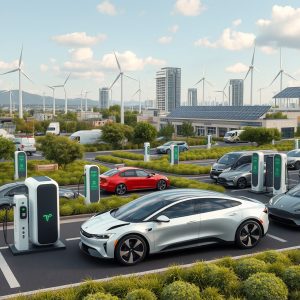
What unites these innovations is their shared goal: to reduce the environmental impact of transportation without sacrificing the freedom and convenience that drivers have come to expect. As these technologies mature, they will not only redefine the vehicles we drive but also the infrastructure that supports them. Smart charging networks, renewable energy integration, and advanced manufacturing processes will all be part of this evolution, creating a holistic ecosystem that prioritizes sustainability at every level.
The journey toward carbon-neutral mobility is complex, but it is also filled with opportunity. By embracing a diverse range of powertrain technologies and leveraging the power of smart systems, the automotive industry can pave the way for a future where driving is not just a means of getting from point A to point B, but a seamless, efficient, and environmentally responsible experience. The road ahead is challenging, but with innovation as the driving force, the destination is well within reach.