Eco-Conscious Fuel Selection: The Key to High-Performance Energy Usage in Modern Logistics
In an era where sustainability is no longer a choice but a necessity, industries worldwide are re-evaluating their energy consumption strategies. Among the most critical sectors, logistics and transportation stand at the forefront of this transformation. The shift toward eco-conscious fuel selection is not just about reducing carbon footprints—it’s about unlocking high-performance energy usage that drives efficiency, cost savings, and long-term resilience. As businesses strive to balance operational demands with environmental responsibility, the question arises: How can intelligent fuel choices redefine the future of logistics?
The Evolution of Fuel Selection in Logistics
For decades, the logistics industry relied heavily on conventional fossil fuels, prioritizing availability and cost over environmental impact. However, the rise of sustainable energy consumption has forced a paradigm shift. Today, companies are exploring alternative fuels such as biodiesel, hydrogen, electric power, and renewable natural gas. Each option presents unique advantages, from lower emissions to improved energy density, but the challenge lies in selecting the right fuel for the right application.
Advanced fleet operators are now leveraging data-driven energy planning to make informed decisions. By analyzing factors like route efficiency, vehicle load, and real-time fuel performance, logistics managers can optimize fuel selection for maximum output. This approach not only reduces waste but also enhances integrated fuel logistics, ensuring that every drop of fuel contributes to operational excellence.
The Role of Predictive Analytics in Fuel Efficiency
One of the most transformative advancements in modern fuel management is the integration of predictive fuel analytics. By harnessing machine learning and AI, companies can forecast fuel consumption patterns with remarkable accuracy. These insights allow fleets to preemptively adjust refueling schedules, avoid unnecessary idling, and even predict maintenance needs that could impact fuel efficiency.
For example, a delivery fleet using real-time consumption data can identify underperforming vehicles and recalibrate their fuel mix to improve performance. This level of precision not only cuts costs but also aligns with carbon-neutral fuel solutions, making sustainability a measurable outcome rather than an abstract goal.
Seamless Refueling: The Backbone of Optimized Logistics
The logistics industry thrives on speed and reliability, and refueling is no exception. Traditional refueling methods often lead to inefficiencies, such as unnecessary detours, long wait times, and inconsistent fuel quality. To combat these challenges, companies are adopting optimized logistics refueling strategies that streamline the process from start to finish.
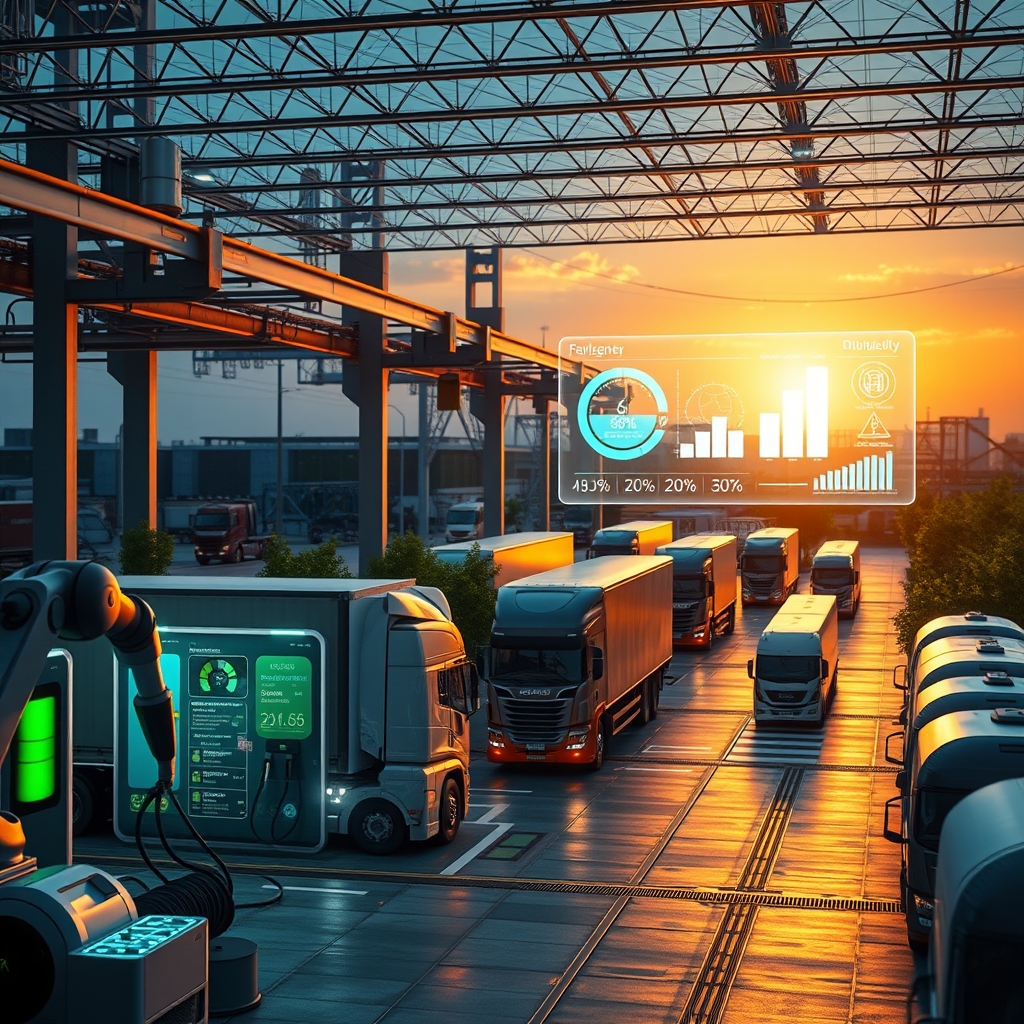
Automated refueling stations, mobile fueling services, and smart fuel cards are just a few innovations reshaping the refueling experience. These solutions not only save time but also ensure that fleets are always powered by the most cost-effective fuel strategies. Additionally, transparent fuel tracking systems provide real-time visibility into fuel usage, preventing fraud and ensuring accountability across the supply chain.
Green Fuel Adoption: A Competitive Advantage
The transition to green fuels is often perceived as a costly endeavor, but forward-thinking companies are proving otherwise. By adopting eco-conscious fuel selection, businesses can tap into government incentives, tax breaks, and long-term savings from reduced fuel consumption. Moreover, consumers and partners increasingly favor companies with strong sustainability credentials, making green fuel adoption a powerful differentiator in the market.
For instance, electric and hydrogen-powered vehicles are gaining traction in urban logistics, where short-distance deliveries benefit from zero-emission solutions. Meanwhile, long-haul fleets are exploring biofuels and synthetic fuels to maintain performance without compromising sustainability. The key lies in selecting the right fuel for the right context—a decision that requires both technological insight and strategic foresight.
The Human Element: Experiential Energy Usage
While technology plays a pivotal role in modern fuel management, the human factor remains indispensable. Drivers, fleet managers, and logistics coordinators must be empowered with the knowledge and tools to make smarter fuel consumption decisions. Training programs that emphasize experiential energy usage—such as eco-driving techniques and fuel-efficient route planning—can significantly reduce waste and improve overall efficiency.
Furthermore, fostering a culture of sustainability within organizations encourages employees to take ownership of fuel-saving initiatives. When drivers understand the impact of their actions on fuel consumption, they become active participants in the journey toward sustainable transport fueling. This collaborative approach not only enhances performance but also strengthens the company’s commitment to environmental stewardship.
As the logistics industry continues to evolve, the intersection of technology, sustainability, and efficiency will define its future. The shift toward eco-conscious fuel selection is not just a trend—it’s a fundamental reimagining of how energy is consumed, managed, and optimized. By embracing advanced fleet fueling solutions, leveraging predictive analytics, and prioritizing seamless refueling experiences, businesses can achieve high-performance energy usage that benefits both the bottom line and the planet. The road ahead is paved with innovation, and those who adapt today will lead the charge toward a greener, more efficient tomorrow.