
The Future of Fuel: How Data-Driven Strategies Are Revolutionizing Sustainable Energy Consumption
In an era where sustainability is no longer optional but essential, industries worldwide are rethinking how they manage energy consumption. Fuel, a critical resource for transportation, logistics, and manufacturing, has come under particular scrutiny. The shift toward sustainable energy consumption is not just about reducing costs—it’s about reimagining efficiency, transparency, and environmental responsibility. At the heart of this transformation lies a powerful tool: data.
The Power of Predictive Fuel Analytics
Predictive fuel analytics is changing the game for businesses reliant on fuel. By leveraging historical data, real-time telemetry, and machine learning algorithms, companies can now forecast fuel needs with remarkable accuracy. This isn’t just about avoiding shortages or overstocking; it’s about optimizing every drop of fuel to minimize waste and maximize performance.
For example, logistics companies using predictive analytics can identify patterns in fuel consumption across their fleets. They can detect inefficiencies, such as excessive idling or suboptimal routing, and adjust operations accordingly. The result? Lower fuel costs, reduced emissions, and a smaller carbon footprint. When data drives decisions, sustainability and profitability go hand in hand.
Green Fuel Adoption: Beyond Traditional Energy Sources
The conversation around fuel is no longer limited to diesel and gasoline. Green fuel adoption is gaining momentum as businesses explore alternatives like biodiesel, hydrogen, and electric power. These fuels offer a path to carbon-neutral fuel solutions, but their integration requires careful planning and execution.
One of the biggest challenges in adopting green fuels is infrastructure. Unlike traditional fuels, alternative energy sources often require new storage, distribution, and refueling systems. However, companies that invest in these changes early are positioning themselves as leaders in the transition to a low-carbon economy. For instance, fleets powered by renewable natural gas or hydrogen fuel cells are already proving that eco-conscious fuel selection can be both practical and profitable.
Optimizing Logistics with Intelligent Fuel Monitoring
Intelligent fuel monitoring systems are another critical component of modern fuel management. These systems use IoT sensors and cloud-based platforms to track fuel levels, consumption rates, and refueling events in real time. The data collected provides unprecedented visibility into fuel usage, enabling businesses to detect anomalies, prevent theft, and streamline operations.
Consider a global shipping company that implements transparent fuel tracking across its fleet. By monitoring fuel consumption per voyage, the company can identify vessels that are underperforming and take corrective action. This level of oversight not only reduces costs but also ensures compliance with environmental regulations. When fuel management becomes a data-driven process, inefficiencies have nowhere to hide.
Seamless Refueling: The Key to Operational Efficiency
Refueling might seem like a routine task, but in large-scale operations, it can be a significant source of downtime and inefficiency. Optimized logistics refueling solutions are addressing this challenge by automating and streamlining the process. From mobile refueling units to automated fueling stations, these innovations ensure that vehicles and equipment spend less time refueling and more time in operation.
For example, construction sites and mining operations are increasingly adopting seamless refueling experiences that allow machinery to refuel without interrupting workflows. This not only boosts productivity but also reduces the risk of spills and accidents. When refueling becomes a frictionless part of the operation, businesses can focus on what they do best: delivering results.
Cost-Effective Strategies for Long-Term Savings
While the upfront costs of adopting advanced fuel management systems can be daunting, the long-term savings are undeniable. Cost-effective fuel strategies focus on reducing waste, improving efficiency, and leveraging data to make smarter decisions. For instance, dynamic routing software can optimize delivery paths to minimize fuel consumption, while telematics systems can provide drivers with real-time feedback on their fuel efficiency.
Businesses that embrace these strategies often see a rapid return on investment. A study by the U.S. Department of Energy found that companies using data-driven energy planning can reduce fuel consumption by up to 15%. When every gallon counts, these savings add up quickly, making advanced fuel management a smart financial decision as well as an environmental one.
The Role of Advanced Fleet Fueling in Sustainability
Fleets are the backbone of many industries, from logistics to public transportation. Advanced fleet fueling solutions are helping these operations transition to more sustainable practices. Electric and hybrid vehicles, for instance, are becoming increasingly viable for commercial fleets, thanks to improvements in battery technology and charging infrastructure.
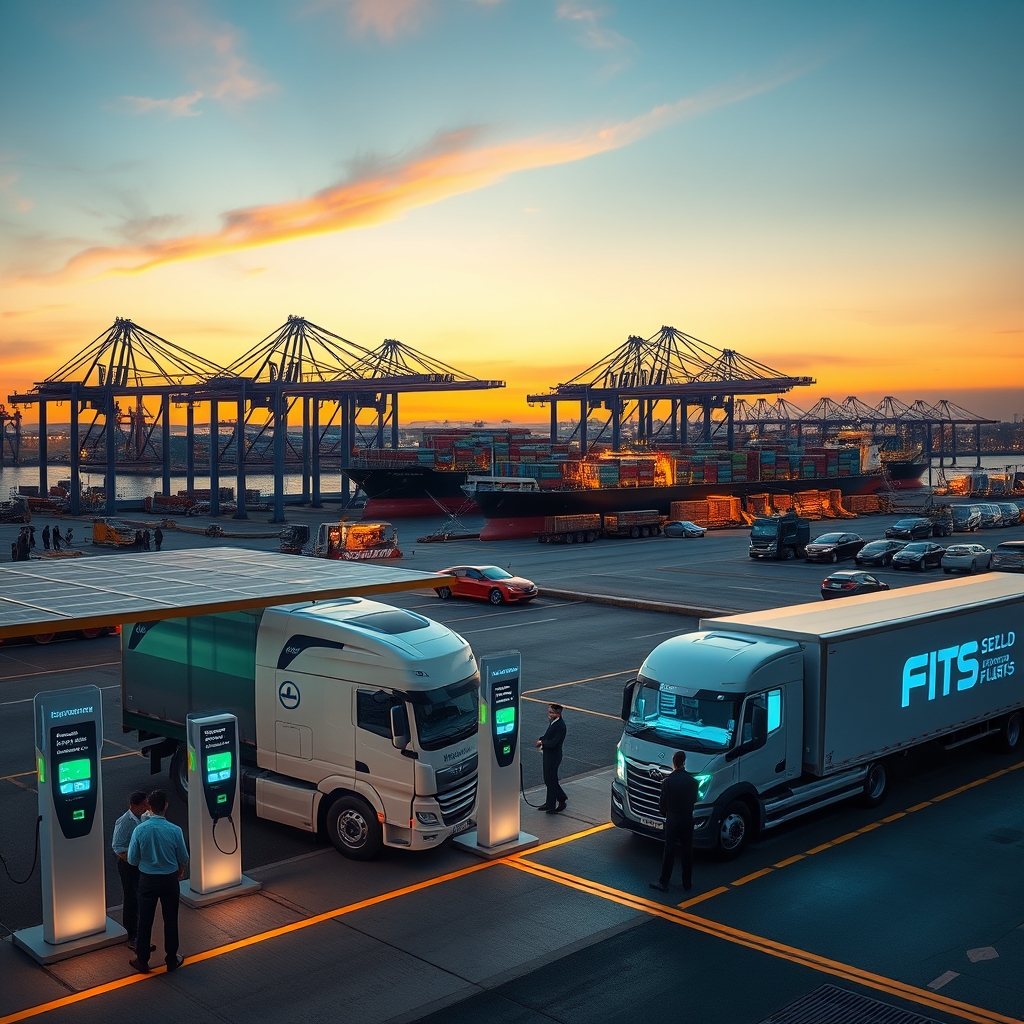
However, the shift to electric fleets isn’t without its challenges. Range anxiety, charging times, and upfront costs can be barriers to adoption. This is where adaptive energy workflows come into play. By integrating renewable energy sources, such as solar-powered charging stations, fleets can reduce their reliance on the grid and lower their carbon footprint. The result is a more resilient and sustainable energy ecosystem.
As industries continue to evolve, the way we manage fuel will play a pivotal role in shaping a sustainable future. The tools and technologies available today—from predictive analytics to green fuel adoption—are empowering businesses to make smarter, more responsible choices. The journey toward sustainable energy consumption is not just about reducing emissions; it’s about redefining what efficiency looks like in a world where every resource counts. By embracing data, innovation, and a commitment to sustainability, businesses can lead the charge toward a cleaner, more efficient future, where fuel is no longer a source of waste but a catalyst for progress.