
Decoding the Heart of Your Engine: The Science Behind High-Pressure Fuel Injection Systems
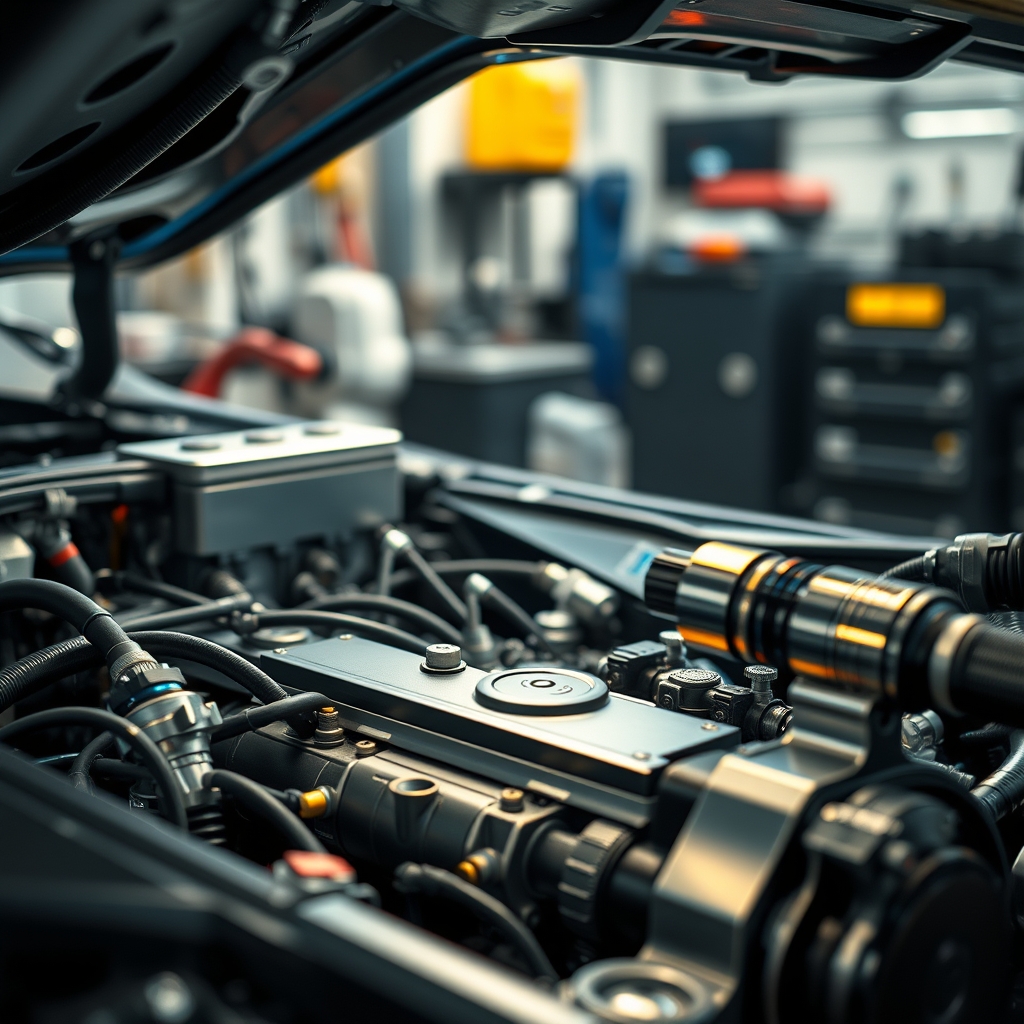
Modern engines are marvels of precision engineering, where every component plays a critical role in delivering power, efficiency, and reliability. At the core of this intricate system lies the fuel injection technology, a far cry from the carburetors of yesteryears. Today, we dive deep into the mechanics of high-pressure fuel injection systems, exploring how they work, why they matter, and what keeps them running at peak performance.
The Rise of Direct Fuel Injection
Direct fuel injection (DFI) has revolutionized the way engines consume fuel. Unlike traditional port injection systems, where fuel is mixed with air before entering the combustion chamber, DFI delivers fuel directly into the cylinder. This method allows for more precise control over the air-fuel mixture, resulting in improved combustion efficiency, higher power output, and reduced emissions. The shift to DFI has been driven by the demand for better fuel economy and stricter environmental regulations, making it a staple in modern gasoline and diesel engines alike.
The Role of the High-Pressure Fuel Pump
At the heart of a DFI system is the high-pressure fuel pump, a component that pressurizes fuel to levels as high as 2,000 psi or more. This extreme pressure is necessary to atomize the fuel into a fine mist, ensuring optimal combustion. The pump is typically driven by the engine’s camshaft or a dedicated electric motor, and its performance is critical to the engine’s overall efficiency. A failing high-pressure fuel pump can lead to poor engine performance, misfires, and even engine damage, making it one of the most vital components in the fuel delivery system.
Fuel Injectors: The Precision Instruments of Combustion
Fuel injectors are the unsung heroes of the fuel injection system. These small, electronically controlled valves spray fuel into the combustion chamber in precise quantities and at exact moments. Modern injectors are capable of multiple injections per combustion cycle, further enhancing efficiency and reducing emissions. However, over time, injectors can become clogged with deposits, leading to poor spray patterns and reduced performance. This is where fuel injector cleaners come into play, helping to dissolve carbon buildup and restore optimal function.
Electronic Fuel Injection: The Brain Behind the Brawn
Electronic fuel injection (EFI) systems rely on a network of sensors and an engine control unit (ECU) to manage fuel delivery. The ECU processes data from sensors like the fuel rail pressure sensor, oxygen sensors, and throttle position sensor to adjust the air-fuel mixture in real-time. This dynamic control allows for optimal performance under varying conditions, from cold starts to high-speed driving. The fuel rail pressure sensor, in particular, plays a crucial role by monitoring the pressure in the fuel rail and ensuring that the injectors receive the correct amount of fuel at all times.
The Evolution of Fuel Delivery Systems
Fuel delivery systems have evolved significantly over the years, with modern designs prioritizing efficiency and reliability. Returnless fuel systems, for example, eliminate the need for excess fuel to return to the tank, reducing vapor emissions and improving fuel economy. These systems rely on a fuel pressure regulator located near the fuel tank or within the fuel delivery module, ensuring consistent pressure regardless of engine demand. Dual-stage fuel pumps, another innovation, provide additional fuel flow during high-demand situations, such as acceleration or towing, without overtaxing the system during normal driving conditions.
Common Rail Diesel Injection: A Game Changer for Diesel Engines
Diesel engines have benefited immensely from common rail diesel injection systems, which use a single high-pressure fuel rail to supply all injectors. This design allows for precise control over injection timing and pressure, resulting in quieter operation, lower emissions, and improved fuel efficiency. Common rail systems can also support multiple injection events per cycle, further enhancing performance and reducing harmful emissions. The adoption of this technology has been instrumental in making diesel engines more environmentally friendly and competitive with their gasoline counterparts.
Maintaining Your Fuel Injection System
Like any complex system, fuel injection technology requires regular maintenance to perform at its best. Fuel filter replacement is a simple yet often overlooked task that can prevent contaminants from reaching the injectors and fuel pump. The fuel tank vent valve and carbon canister purge valve are also critical components, ensuring proper fuel vapor management and preventing pressure buildup in the tank. For those driving flex-fuel vehicles, the flex fuel sensor plays a key role in adjusting the air-fuel mixture based on the ethanol content of the fuel, ensuring optimal performance regardless of the fuel type.
Sequential Port Injection vs. Throttle Body Injection
While direct fuel injection dominates modern engines, sequential port injection (SPI) and throttle body injection (TBI) still have their place. SPI delivers fuel to each cylinder individually, just before the intake valve opens, allowing for precise control over the air-fuel mixture. TBI, on the other hand, injects fuel into the throttle body, where it mixes with air before being distributed to the cylinders. While TBI is simpler and less expensive, it lacks the precision and efficiency of SPI and DFI, making it less common in modern engines. However, both systems highlight the diversity of fuel injection technologies and their evolution over time.
Understanding the intricacies of your engine’s fuel injection system can empower you to make informed decisions about maintenance and upgrades. Whether it’s choosing the right fuel injector cleaner, replacing a worn-out fuel filter, or upgrading to high-flow fuel rails, every action you take contributes to the longevity and performance of your vehicle. The next time you turn the key and feel the smooth power of your engine, remember that it’s the result of decades of innovation, precision engineering, and the relentless pursuit of efficiency.