The Road to Smarter Mobility: How Connected Car Technology and Dual Fuel Combustion Are Redefining Efficiency
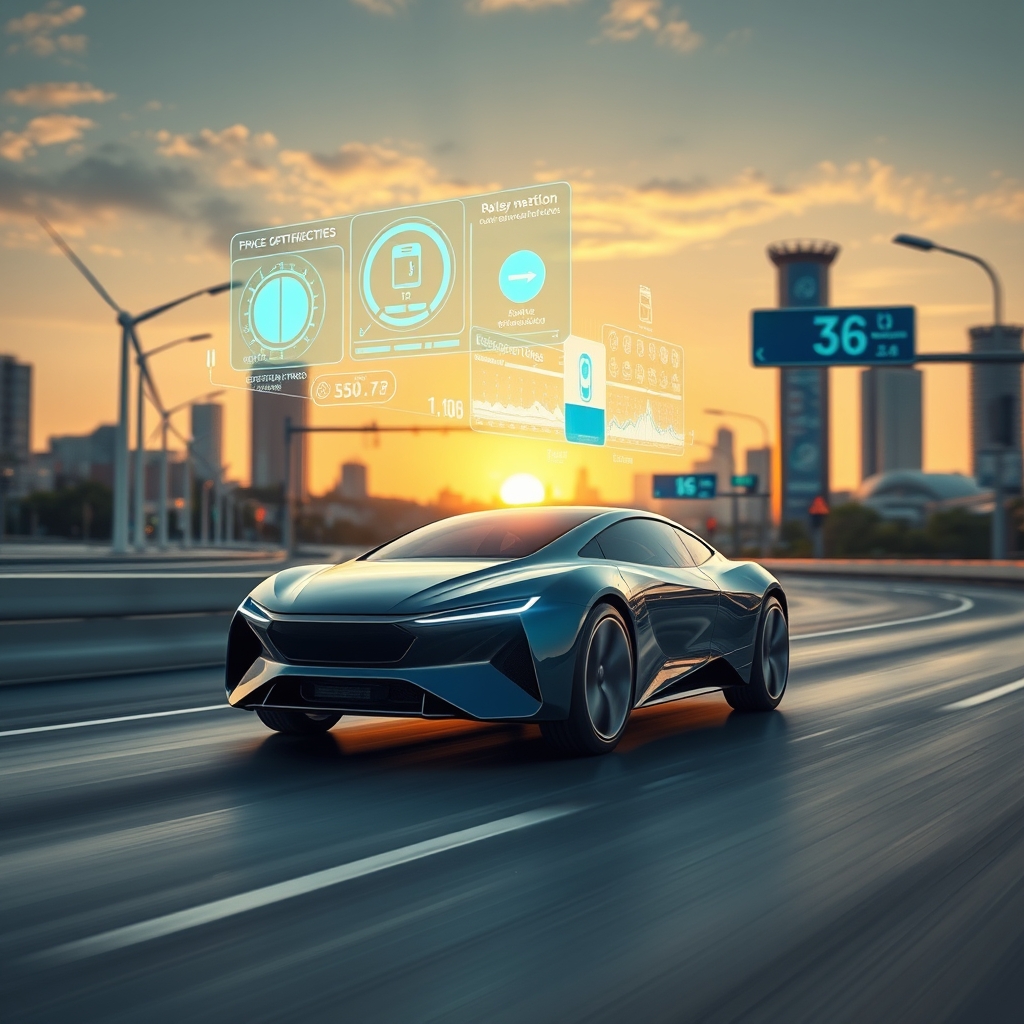
The automotive landscape is undergoing a seismic shift, driven by the urgent need for sustainability and the relentless march of technological innovation. At the heart of this transformation lies a dual pursuit: reducing emissions without sacrificing performance, and enhancing efficiency through intelligence. Two technologies, in particular, are emerging as game-changers in this space—connected car technology and dual fuel combustion. Together, they are not just redefining what vehicles can do but also how they integrate into a broader ecosystem of smart, sustainable mobility.
The Rise of Connected Car Technology
Connected car technology is no longer a futuristic concept; it is a present-day reality that is reshaping the driving experience. By leveraging the power of the Internet of Things (IoT), vehicles are evolving into intelligent nodes within a vast network of data and communication. This connectivity enables real-time monitoring of vehicle performance, predictive maintenance, and even over-the-air software updates that enhance functionality without the need for physical intervention.
One of the most significant advantages of connected car technology is its ability to optimize energy consumption. Through advanced telematics, vehicles can analyze driving patterns, traffic conditions, and route efficiency to suggest the most fuel-efficient paths. For electric vehicles (EVs), this means smarter battery management and extended range, while for internal combustion engines (ICEs), it translates to reduced fuel consumption and lower emissions. Additionally, connected cars can communicate with smart charging infrastructure, ensuring that EVs are charged during off-peak hours when electricity is cheapest and greenest.
The Role of Data in Sustainable Mobility
The data generated by connected cars is a goldmine for automakers, urban planners, and policymakers. By aggregating anonymized data from thousands of vehicles, cities can identify traffic bottlenecks, optimize signal timings, and reduce congestion—all of which contribute to lower emissions. For automakers, this data provides insights into how vehicles are used in real-world conditions, enabling them to refine designs and improve efficiency. Moreover, connected car technology can facilitate vehicle-to-everything (V2X) communication, where cars interact with traffic lights, road sensors, and even other vehicles to create a seamless, efficient flow of traffic.
The Promise of Dual Fuel Combustion
While connected car technology is revolutionizing the software side of mobility, dual fuel combustion is making waves on the hardware front. This technology allows engines to run on two different types of fuel simultaneously, such as gasoline and hydrogen, or diesel and renewable diesel. The primary goal of dual fuel combustion is to combine the strengths of different fuels to achieve higher efficiency and lower emissions.
One of the most promising applications of dual fuel combustion is in the pairing of hydrogen with traditional fuels. Hydrogen, when burned, produces only water vapor as a byproduct, making it an ideal candidate for reducing greenhouse gas emissions. However, hydrogen’s low energy density and the challenges associated with its storage and distribution have limited its widespread adoption. Dual fuel engines address this by using hydrogen as a secondary fuel, supplementing the primary fuel (such as gasoline or diesel) to improve combustion efficiency and reduce emissions. This hybrid approach allows for a smoother transition to cleaner fuels without the need for a complete overhaul of existing infrastructure.
Bridging the Gap to Zero Emission Mobility
Dual fuel combustion is not just a stopgap measure; it is a strategic bridge to a zero-emission future. By enabling engines to run on a mix of conventional and renewable fuels, it provides a pathway for reducing emissions in the short term while more transformative technologies, like hydrogen fuel cells and solid-state batteries, mature. For example, renewable diesel—a biofuel derived from waste fats and oils—can be used in dual fuel engines to significantly cut carbon emissions without requiring modifications to existing diesel engines. This flexibility makes dual fuel combustion an attractive option for fleets and industries where electrification is not yet feasible.
The Synergy of Connected Technology and Dual Fuel Engines
The true potential of these technologies lies in their synergy. Connected car technology can optimize the performance of dual fuel engines by dynamically adjusting the fuel mix based on driving conditions, engine load, and emissions targets. For instance, a connected vehicle could switch to a higher proportion of hydrogen or renewable diesel during highway driving, where efficiency gains are most pronounced, and revert to a more conventional fuel mix in urban settings where emissions regulations are stricter. This level of adaptability ensures that vehicles are always operating at peak efficiency, regardless of the driving scenario.
Moreover, the integration of connected technology with dual fuel engines can enhance the user experience. Drivers can receive real-time feedback on their fuel efficiency, emissions, and even suggestions for optimizing their driving habits. Over time, this data can be used to personalize the vehicle’s performance, tailoring it to the driver’s preferences and the demands of their daily commute. For fleet operators, this means lower fuel costs, reduced maintenance expenses, and a smaller carbon footprint—all of which contribute to a more sustainable and profitable operation.
Overcoming Challenges and Looking Ahead
Despite their promise, both connected car technology and dual fuel combustion face challenges. For connected cars, data privacy and cybersecurity are paramount concerns. As vehicles become more connected, they also become more vulnerable to hacking and unauthorized access. Automakers must invest in robust security measures to protect sensitive data and ensure the safety of their customers. Additionally, the widespread adoption of connected car technology requires significant investment in infrastructure, such as 5G networks and smart city initiatives, to support the vast amounts of data generated by these vehicles.
For dual fuel combustion, the primary hurdles are fuel availability and cost. While hydrogen and renewable diesel are becoming more accessible, their production and distribution networks are still in their infancy. Governments and industry stakeholders must collaborate to scale up production, reduce costs, and establish a reliable supply chain for these alternative fuels. Furthermore, dual fuel engines must be optimized to deliver consistent performance across a range of operating conditions, ensuring that drivers experience the same level of reliability and drivability as they do with conventional engines.
As we stand on the cusp of a new era in mobility, the convergence of connected car technology and dual fuel combustion offers a compelling vision of the future. These technologies are not just incremental improvements; they represent a fundamental reimagining of how vehicles operate and interact with the world around them. By harnessing the power of data and the flexibility of dual fuel engines, we can create a transportation ecosystem that is smarter, cleaner, and more efficient than ever before. The road ahead is not without its challenges, but with innovation and collaboration, we can drive toward a future where mobility is not just a means of getting from point A to point B, but a force for positive change in our world.