The Green Fuel Matrix: How Integrated Logistics and Predictive Analytics Are Redefining Sustainable Energy Consumption

The modern logistics landscape is undergoing a profound transformation, driven by the urgent need for sustainability and the relentless pursuit of efficiency. At the heart of this evolution lies the convergence of integrated fuel logistics and predictive fuel analytics, two pillars that are reshaping how industries approach energy consumption. No longer is fuel management a reactive process; it has become a dynamic, data-driven discipline that balances cost, performance, and environmental responsibility.
The Foundation of Integrated Fuel Logistics
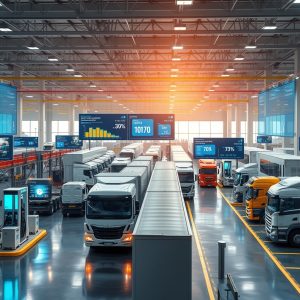
Integrated fuel logistics represent more than just a streamlined approach to refueling—they embody a holistic system where every component, from procurement to consumption, is interconnected. This integration ensures that fuel is not only available when and where it’s needed but is also sourced, stored, and utilized in the most efficient manner possible. By leveraging advanced technologies such as IoT-enabled sensors and automated inventory management, companies can eliminate waste, reduce downtime, and optimize their fuel supply chains.
For instance, real-time tracking of fuel levels across a fleet allows for proactive refueling, preventing the inefficiencies of emergency top-ups or overstocking. This level of precision is particularly critical in industries like shipping and aviation, where fuel costs can account for a significant portion of operational expenses. The result is a seamless refueling experience that minimizes disruptions while maximizing cost savings.
The Role of Predictive Analytics in Fuel Management
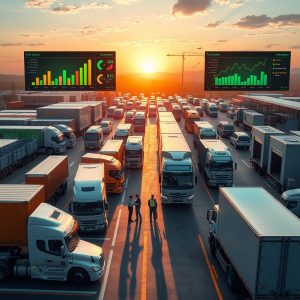
While integrated logistics lay the groundwork for efficiency, predictive fuel analytics elevate fuel management to an art form. By analyzing historical data, weather patterns, route optimizations, and vehicle performance, predictive models can forecast fuel needs with remarkable accuracy. This foresight enables companies to make informed decisions about when to refuel, which routes to take, and even which vehicles to deploy for specific tasks.
Consider a delivery fleet operating in a region with fluctuating fuel prices. Predictive analytics can identify the optimal time to purchase fuel, taking advantage of price dips while avoiding costly surges. Similarly, by predicting traffic patterns or weather-related delays, the system can adjust routes in real time, ensuring that fuel is consumed as efficiently as possible. The benefits extend beyond cost savings; they also contribute to a reduction in carbon emissions, aligning with broader carbon-neutral fuel solutions.
Eco-Conscious Fuel Selection: Beyond the Basics
The shift toward eco-conscious fuel selection is not merely a trend but a necessity in today’s climate-conscious world. Companies are increasingly exploring alternative fuels such as biodiesel, hydrogen, and electric power to reduce their environmental footprint. However, the transition to these fuels is not without challenges. Issues like infrastructure compatibility, energy density, and cost must be carefully weighed against the benefits.
This is where data-driven energy planning becomes invaluable. By analyzing the performance of different fuel types under various conditions, companies can determine the most suitable options for their operations. For example, a logistics company might find that a blend of biodiesel and traditional diesel offers the best balance of cost, performance, and emissions reduction for their long-haul routes. Meanwhile, electric vehicles might be ideal for urban deliveries, where shorter distances and frequent stops align with the strengths of battery technology.
Transparent Fuel Tracking: Building Trust and Accountability
In an era where transparency is paramount, transparent fuel tracking has emerged as a cornerstone of sustainable fuel management. Stakeholders, from investors to regulators, demand visibility into how fuel is being used and its environmental impact. Advanced tracking systems provide this transparency by recording every aspect of fuel consumption, from the moment it enters the tank to its final use.
These systems not only ensure compliance with environmental regulations but also foster trust among customers and partners. For instance, a company that can demonstrate its commitment to reducing emissions through accurate fuel tracking is more likely to attract eco-conscious clients. Moreover, transparent tracking can uncover inefficiencies that might otherwise go unnoticed, such as unauthorized fuel usage or suboptimal vehicle performance.
The Future of High-Performance Energy Usage
The integration of high-performance energy usage into fuel management strategies is setting new benchmarks for efficiency. This approach goes beyond merely reducing fuel consumption; it focuses on maximizing the output derived from every unit of energy. Techniques such as engine tuning, aerodynamic optimizations, and driver training programs all play a role in enhancing energy performance.
For example, telematics systems can monitor driver behavior, identifying patterns that lead to excessive fuel use, such as aggressive acceleration or idling. By addressing these behaviors through training and incentives, companies can achieve significant fuel savings. Similarly, aerodynamic modifications to vehicles can reduce drag, improving fuel efficiency without compromising performance. These strategies collectively contribute to a more sustainable and cost-effective operation.
The journey toward sustainable energy consumption is not a destination but an ongoing process of innovation and adaptation. As technologies evolve and new challenges emerge, the principles of integrated logistics, predictive analytics, and eco-conscious fuel selection will remain central to the quest for efficiency. The companies that embrace these tools today will not only reduce their environmental impact but also position themselves as leaders in the logistics industry of tomorrow. The road ahead is paved with data, driven by intelligence, and fueled by a commitment to a greener future.