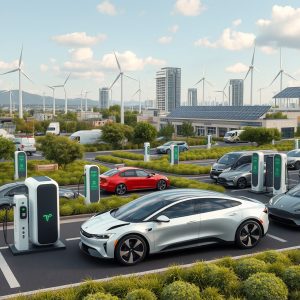
The Future of Mobility: Innovations in Electric Vehicles and Sustainable Fuels

The automotive industry is undergoing a profound transformation, driven by the urgent need to reduce carbon emissions and combat climate change. This shift is not just about replacing traditional internal combustion engines with electric vehicles (EVs), but also about exploring a variety of sustainable fuels and advanced technologies that can pave the way for a greener future.
Electric Vehicles: The New Standard
Electric vehicles have emerged as a leading contender in the quest for sustainable mobility. With zero tailpipe emissions, EVs offer a cleaner alternative to conventional cars. The advancements in battery technology, particularly solid state batteries, promise to enhance the range and efficiency of EVs, making them more practical for everyday use. Additionally, regenerative braking systems are becoming increasingly sophisticated, allowing EVs to recover energy during deceleration and further extend their range.
Battery Management Systems
One of the critical components of an EV is its battery management system (BMS). A well-designed BMS ensures optimal performance, longevity, and safety of the battery pack. It monitors the battery’s state of charge, temperature, and voltage, providing real-time data to the vehicle’s control system. This not only enhances the driving experience but also contributes to the overall sustainability of the vehicle.
Hydrogen Fuel Cells: A Promising Alternative
While electric vehicles are gaining traction, hydrogen fuel cells present another viable option for zero-emission mobility. Hydrogen fuel cells generate electricity through a chemical reaction between hydrogen and oxygen, producing only water as a byproduct. This makes them an attractive choice for applications requiring long-range and quick refueling, such as heavy-duty trucks and buses. The development of smart charging infrastructure for hydrogen fuel cells is crucial to their widespread adoption.
Synthetic Fuels: Bridging the Gap
Synthetic fuels, produced from renewable sources, offer a bridge between conventional internal combustion engines and zero-emission technologies. These fuels can be used in existing engines with minimal modifications, reducing greenhouse gas emissions significantly. As the technology matures, synthetic fuels could play a pivotal role in achieving carbon neutral mobility.
Hybrid Powertrains: The Best of Both Worlds
Hybrid powertrains combine the benefits of internal combustion engines and electric motors, offering improved fuel efficiency and reduced emissions. Turbocharged direct injection (TDI) engines, for instance, enhance the thermal efficiency of internal combustion engines, making them more eco-friendly. Dual fuel combustion systems, which can run on a mix of conventional and renewable fuels, further contribute to sustainable mobility.
Renewable Diesel: A Sustainable Choice
Renewable diesel, produced from biomass and waste materials, is another eco-friendly alternative to traditional diesel. It can be used in existing diesel engines without modifications, making it a practical choice for reducing carbon emissions in the short term. As the demand for sustainable fuels grows, renewable diesel is poised to become a significant player in the market.
In conclusion, the future of mobility is multifaceted, encompassing a range of technologies and fuels that work together to create a more sustainable transportation ecosystem. From electric vehicles and hydrogen fuel cells to synthetic fuels and hybrid powertrains, each innovation plays a crucial role in reducing our carbon footprint. As we continue to explore and develop these technologies, the vision of carbon neutral mobility becomes increasingly attainable. The key to success lies in integrating these advancements with smart charging infrastructure and connected car technology, ensuring a seamless transition to a greener future.