The Next Generation of Sustainable Mobility: How E-Methanol and High-Pressure Injection Systems Are Redefining Clean Transportation
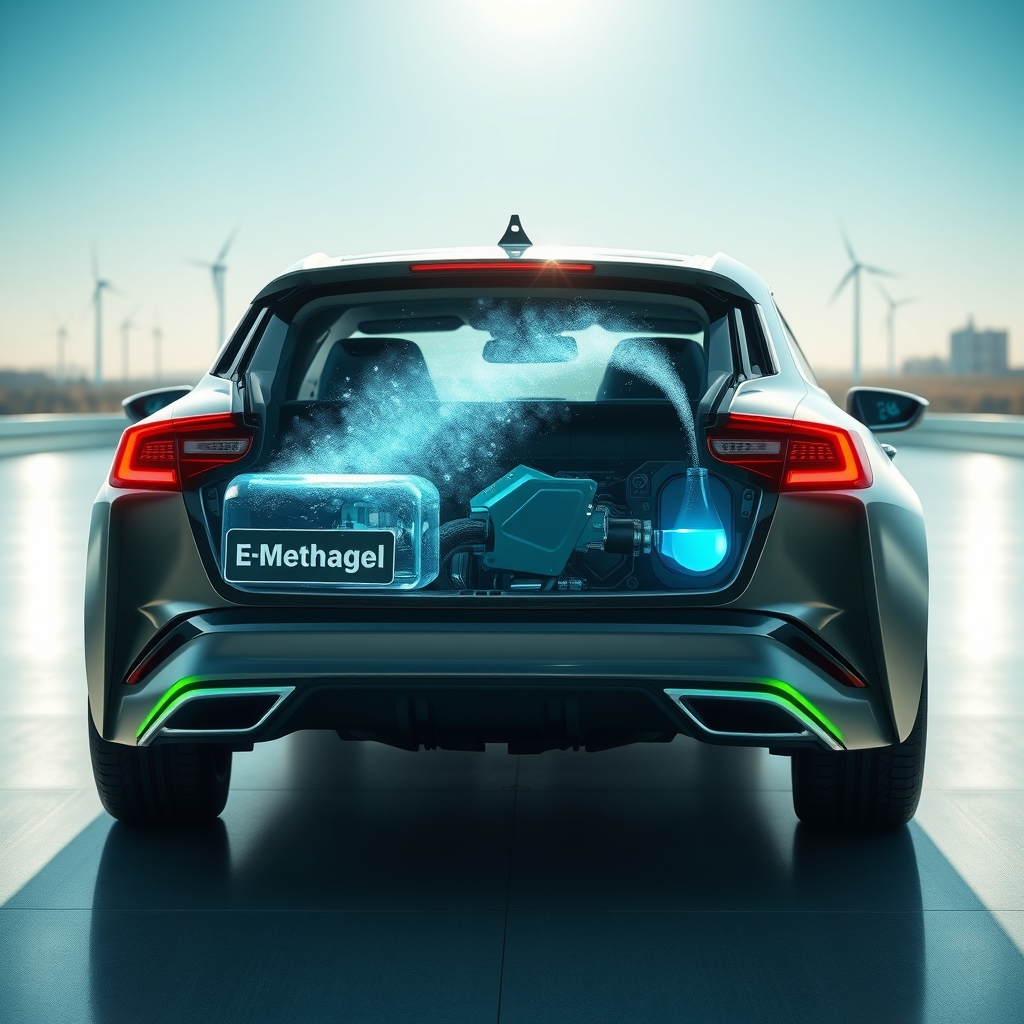
The transportation sector stands at a critical juncture, where innovation and sustainability must converge to address the pressing challenges of climate change and fossil fuel dependency. Among the most promising advancements in this space are E-methanol production and high-pressure injection systems, two technologies that are quietly revolutionizing how we power vehicles while drastically reducing carbon emissions. These solutions are not just alternatives to conventional fuels—they represent a fundamental shift in how we approach energy efficiency, engine performance, and environmental responsibility.
The Rise of E-Methanol: A Carbon-Neutral Fuel for the Future
E-methanol, or electro-methanol, is emerging as a game-changer in the quest for carbon-neutral fuels. Unlike traditional methanol, which is derived from natural gas or coal, E-methanol is produced using renewable electricity, water, and captured carbon dioxide. This process, known as power-to-liquid, ensures that the fuel is not only clean but also part of a circular carbon economy. When burned, E-methanol releases the same amount of CO₂ that was initially captured during its production, making it a truly carbon-neutral solution.
One of the most compelling advantages of E-methanol is its compatibility with existing internal combustion engines. With minor modifications, engines designed for gasoline or diesel can run on E-methanol, eliminating the need for costly infrastructure overhauls. This flexibility makes it an ideal transitional fuel, bridging the gap between fossil fuels and fully electric or hydrogen-powered vehicles. Additionally, E-methanol can be stored and transported using existing fuel distribution networks, further reducing the barriers to adoption.
Beyond its use in passenger vehicles, E-methanol holds immense potential for heavy-duty transport, shipping, and aviation. These sectors are notoriously difficult to decarbonize due to their high energy demands and reliance on liquid fuels. E-methanol offers a scalable solution that can be integrated into existing fleets without sacrificing performance or range. As renewable energy capacity continues to grow, the production of E-methanol is poised to become more efficient and cost-effective, solidifying its role in the future of sustainable mobility.
High-Pressure Injection Systems: Maximizing Efficiency and Minimizing Emissions
While alternative fuels like E-methanol are transforming the energy landscape, advancements in engine technology are equally critical to achieving sustainable mobility. High-pressure injection systems represent one of the most significant breakthroughs in this regard, enabling engines to operate with unprecedented efficiency and reduced emissions. These systems deliver fuel into the combustion chamber at pressures exceeding 2,500 bar, ensuring a finer atomization of the fuel and a more complete burn.
The benefits of high-pressure injection are multifaceted. First, it enhances fuel efficiency by optimizing the air-fuel mixture, which translates to better mileage and lower fuel consumption. Second, it significantly reduces harmful emissions, including nitrogen oxides (NOx) and particulate matter, which are major contributors to air pollution. This is particularly important for diesel engines, which have long been criticized for their environmental impact. By integrating high-pressure injection with direct fuel injection technology, manufacturers can achieve near-zero emission levels without compromising performance.
Moreover, high-pressure injection systems are highly adaptable, making them compatible with a wide range of fuels, including renewable diesel, bioethanol blends, and even E-methanol. This versatility allows automakers to future-proof their engines, ensuring they can seamlessly transition to cleaner fuels as they become more widely available. As governments around the world tighten emissions regulations, high-pressure injection systems are becoming a cornerstone of compliance strategies for both light-duty and heavy-duty vehicles.
The Synergy Between E-Methanol and High-Pressure Injection
The true potential of E-methanol and high-pressure injection systems lies in their synergy. When combined, these technologies create a powerful duo that can dramatically reduce the carbon footprint of transportation while enhancing engine performance. For instance, E-methanol’s high octane rating and clean-burning properties make it an ideal fuel for high-pressure injection systems, which thrive on fuels that burn efficiently and produce minimal soot.
This combination is particularly promising for flex-fuel vehicles and dual-fuel systems, which can switch between E-methanol and other fuels like gasoline or diesel. By leveraging high-pressure injection, these vehicles can optimize combustion based on the fuel being used, ensuring maximum efficiency and minimal emissions in all scenarios. Additionally, the use of E-methanol in high-pressure injection systems can extend the lifespan of engine components by reducing carbon deposits and wear, further enhancing the sustainability of the technology.
Overcoming Challenges and Accelerating Adoption
Despite their promise, the widespread adoption of E-methanol and high-pressure injection systems faces several challenges. For E-methanol, the primary hurdle is scaling up production to meet demand. While the technology for producing E-methanol exists, it currently relies on renewable electricity, which can be intermittent and expensive. However, as the cost of wind and solar power continues to decline, E-methanol production is expected to become more economically viable. Governments and private investors are also beginning to recognize the potential of this fuel, with several pilot projects and production facilities already underway.
For high-pressure injection systems, the main challenge lies in the upfront costs associated with retrofitting existing engines or designing new ones. However, the long-term benefits—including reduced fuel consumption, lower emissions, and compliance with stringent regulations—often outweigh the initial investment. Automakers are increasingly incorporating these systems into their latest models, and as economies of scale kick in, the cost of adoption is expected to decrease.
Public awareness and policy support are also critical to accelerating the adoption of these technologies. Consumers need to be educated about the benefits of E-methanol and high-pressure injection systems, while policymakers must create incentives for their development and deployment. Subsidies for renewable fuel production, tax breaks for low-emission vehicles, and investments in research and development can all play a role in driving the transition toward a more sustainable transportation sector.
As the world races to decarbonize transportation, the convergence of innovative fuels and cutting-edge engine technologies offers a beacon of hope. E-methanol and high-pressure injection systems are not just incremental improvements—they represent a paradigm shift in how we power our vehicles. By embracing these solutions, we can reduce our reliance on fossil fuels, lower greenhouse gas emissions, and pave the way for a cleaner, more sustainable future. The journey toward sustainable mobility is complex, but with advancements like these, the destination is within reach, promising a world where transportation is both efficient and environmentally responsible.