The Balancing Act: How Hybrid Powertrains and Renewable Diesel Are Bridging the Gap to Carbon Neutral Mobility
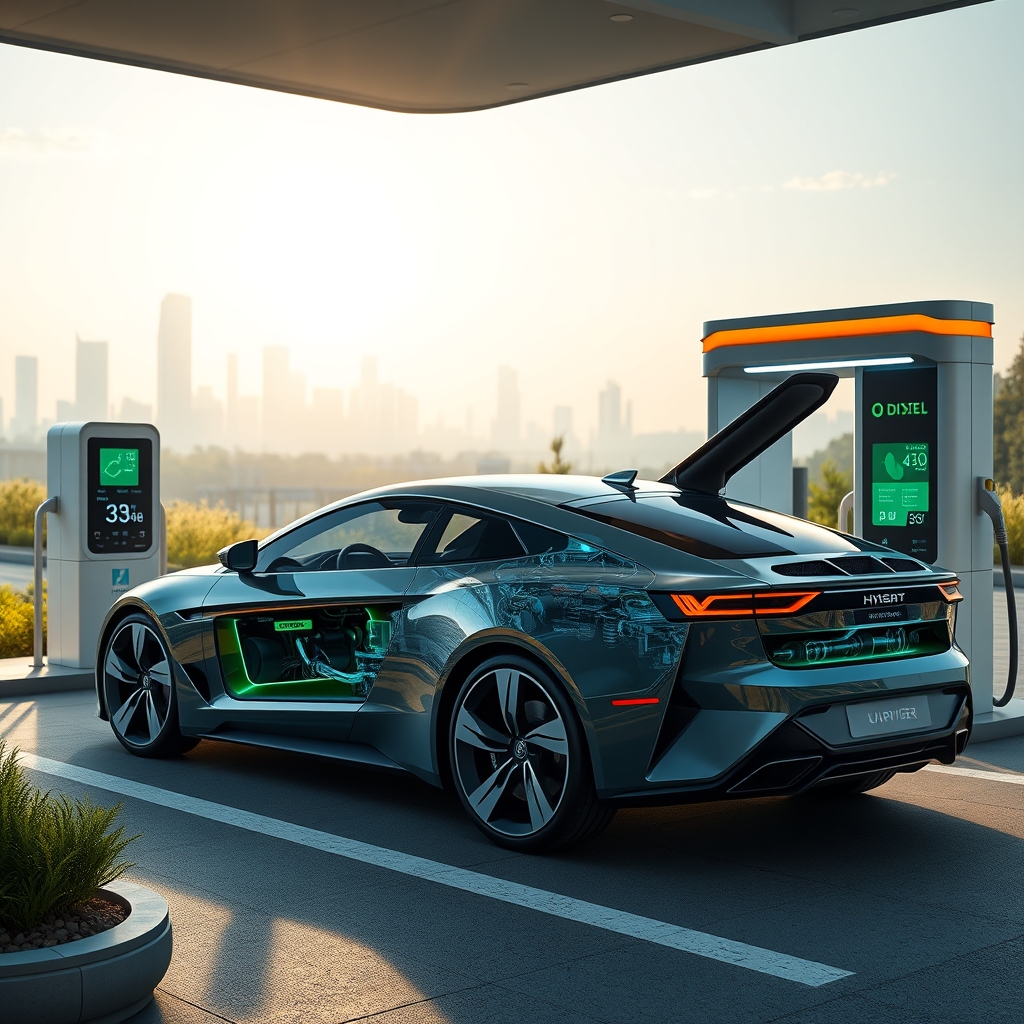
The transportation sector stands at a crossroads, where the urgency of climate action meets the practical realities of global energy infrastructure. While zero-emission vehicles (ZEVs) like battery-electric and hydrogen fuel cell cars dominate headlines, the transition to a fully decarbonized future is far from instantaneous. In this interim period, hybrid powertrains and renewable diesel are emerging as critical bridge technologies, offering a pragmatic path to reduce emissions without sacrificing performance, range, or affordability.
The Hybrid Powertrain: A Masterclass in Efficiency
Hybrid powertrains represent one of the most elegant solutions to the challenges of sustainable mobility. By combining an internal combustion engine (ICE) with an electric motor and a battery management system, hybrids achieve a level of thermal efficiency that pure ICE vehicles simply cannot match. The electric motor handles low-speed driving and regenerative braking, capturing energy that would otherwise be lost as heat, while the ICE takes over at higher speeds where its efficiency peaks. This synergy results in fuel consumption reductions of up to 30% compared to conventional vehicles, all while maintaining the familiarity and convenience of liquid fuel infrastructure.
But the benefits of hybrid powertrains extend beyond fuel economy. Modern hybrids leverage advanced technologies like turbocharged direct injection and exhaust aftertreatment systems to further minimize their environmental footprint. Turbocharging allows for smaller, more efficient engines that deliver the power of larger units when needed, while selective catalytic reduction (SCR) and particulate filters drastically reduce harmful emissions. These systems work in tandem with the hybrid’s electric components to create a powertrain that is not only cleaner but also more responsive and enjoyable to drive.
The Role of Battery Management Systems
At the heart of every hybrid vehicle lies its battery management system (BMS), a sophisticated network of sensors and software that ensures the battery operates within optimal parameters. The BMS monitors cell voltage, temperature, and state of charge, balancing performance with longevity. In hybrids, where the battery is charged by both the engine and regenerative braking, the BMS plays a crucial role in maximizing energy recovery and minimizing waste. This is particularly important in plug-in hybrid electric vehicles (PHEVs), where the battery’s capacity is larger, and the potential for electric-only driving is greater. By intelligently managing energy flow, the BMS helps hybrids achieve a level of efficiency that narrows the gap between traditional ICE vehicles and full electrics.
Renewable Diesel: The Drop-In Solution for Carbon Neutrality
While hybrids address the efficiency side of the equation, renewable diesel tackles the emissions challenge head-on. Unlike biodiesel, which is chemically distinct from petroleum diesel and often requires engine modifications, renewable diesel is a drop-in replacement that can be used in any diesel engine without changes. Produced from waste fats, vegetable oils, or even algae, renewable diesel offers a lifecycle carbon reduction of up to 80% compared to conventional diesel. When paired with hybrid powertrains, the emissions benefits are compounded, creating a vehicle that is significantly cleaner than its traditional counterparts.
The advantages of renewable diesel extend beyond its environmental benefits. Because it is chemically identical to petroleum diesel, it can leverage existing fueling infrastructure, eliminating the need for costly new pipelines or storage facilities. This makes it an attractive option for fleets, heavy-duty trucks, and other applications where electrification is not yet feasible. Additionally, renewable diesel’s high cetane number and lack of oxygen content result in cleaner combustion, reducing particulate matter and nitrogen oxide emissions. This makes it a powerful tool in the fight against urban air pollution, particularly in regions where diesel engines are prevalent.
The Synergy of Hybrid Powertrains and Renewable Diesel
The combination of hybrid powertrains and renewable diesel represents a compelling middle ground in the transition to carbon-neutral mobility. For consumers and businesses alike, this pairing offers a way to reduce emissions without the range anxiety or infrastructure limitations associated with full electrification. Hybrid vehicles running on renewable diesel can achieve near-zero tailpipe emissions in urban driving, where electric-only mode is most effective, while still providing the long-range capability and quick refueling times of a traditional ICE vehicle. This flexibility is particularly valuable in sectors like logistics, construction, and agriculture, where downtime is costly and electric alternatives are not yet viable.
Moreover, the adoption of hybrid powertrains and renewable diesel can accelerate the broader transition to sustainable transportation. By reducing the carbon footprint of existing vehicles, these technologies help build momentum for more ambitious decarbonization efforts. They also provide a market for renewable fuels, incentivizing further investment in biofuel production and distribution. In this way, hybrids and renewable diesel serve as a stepping stone, paving the way for the eventual dominance of zero-emission vehicles.
The Road Ahead: Challenges and Opportunities
Despite their promise, hybrid powertrains and renewable diesel are not without challenges. The production of renewable diesel is currently limited by feedstock availability and cost, though advances in algae-based and waste-derived fuels could alleviate these constraints. Similarly, the upfront cost of hybrid vehicles remains higher than that of conventional ICE vehicles, though this gap is narrowing as battery prices fall and economies of scale kick in. Policy support, such as tax incentives for low-carbon fuels and stricter emissions standards, will be critical in driving wider adoption.
Another key challenge is the need for greater integration with connected car technology and smart charging infrastructure. As vehicles become more connected, there is an opportunity to optimize hybrid powertrains in real-time, using data from traffic patterns, weather conditions, and even other vehicles to maximize efficiency. Smart charging infrastructure could further enhance the benefits of plug-in hybrids, ensuring that electric-only driving is prioritized in urban areas where emissions have the greatest impact. By leveraging these technologies, hybrids and renewable diesel can become even more effective tools in the quest for carbon-neutral mobility.
The journey toward a fully sustainable transportation system is complex, requiring a mix of technologies, policies, and consumer behaviors. Hybrid powertrains and renewable diesel may not be the ultimate solution, but they are indispensable tools in the here and now. By offering a practical, scalable way to reduce emissions without disrupting the way we live and work, they are helping to bridge the gap between today’s reality and tomorrow’s zero-emission future. As the world continues to grapple with the challenges of climate change, these technologies remind us that progress is not about choosing one path over another, but about finding the right balance for the road ahead.