
The Pulse of Performance: How Strategic Engine Modifications Redefine Driving Dynamics
Every car enthusiast knows that the factory settings of a vehicle are just the starting point. The true potential of an engine lies beneath the surface, waiting to be unlocked through strategic modifications. Whether you’re aiming for blistering acceleration, track-ready precision, or simply a more exhilarating daily drive, the right upgrades can transform your car into a machine that feels alive under your fingertips. But where do you begin, and how do you ensure that each modification works in harmony to elevate performance without sacrificing reliability?
The Foundation: Electronic Control Unit Remapping
The Electronic Control Unit (ECU) is the brain of your engine, dictating everything from fuel delivery to ignition timing. Factory ECU settings are often conservative, designed to balance performance, emissions, and fuel economy across a wide range of driving conditions. However, this one-size-fits-all approach leaves a significant amount of untapped potential. ECU remapping, or “chipping,” involves recalibrating these settings to optimize power output, throttle response, and even fuel efficiency.
Modern remapping techniques go beyond simple power gains. Advanced tuners use dyno testing and real-world data to fine-tune the ECU for specific modifications, ensuring that the engine operates at peak efficiency. For example, a remap can adjust the air-fuel ratio to complement a high-flow fuel injector upgrade or optimize boost levels for a turbocharger upgrade. The result is a engine that not only produces more power but also feels more responsive and predictable, whether you’re navigating city streets or pushing the limits on a racetrack.
Breathing Easy: The Role of Air Intake and Forced Induction
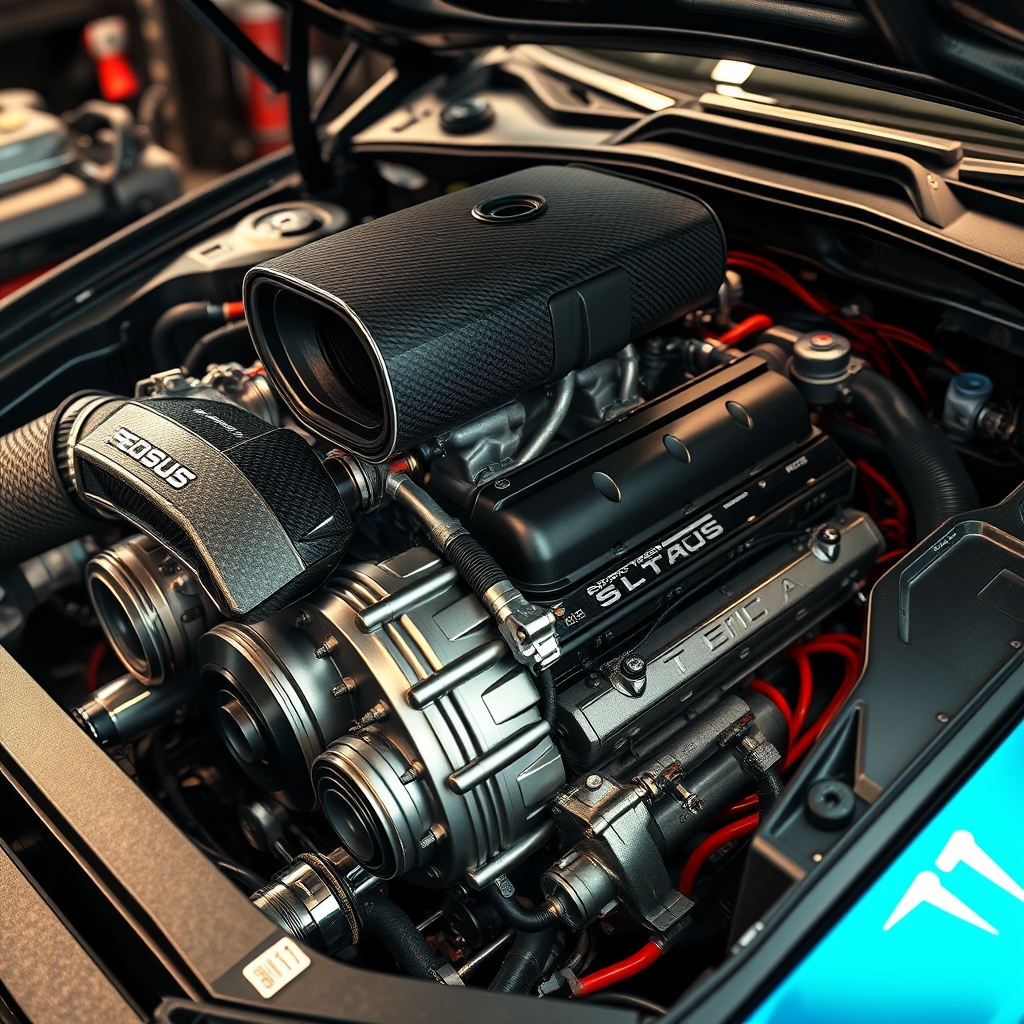
An engine is essentially an air pump—the more air it can ingest and combust efficiently, the more power it can produce. This is where upgrades like cold air intakes and forced induction systems come into play. A cold air intake replaces the restrictive factory airbox with a high-flow system that draws cooler, denser air from outside the engine bay. Cooler air contains more oxygen, which translates to better combustion and increased horsepower. Meanwhile, carbon fiber air intakes offer the added benefit of being lightweight and durable, further enhancing performance.
For those seeking even greater power gains, forced induction systems like turbochargers and superchargers are the next logical step. Turbochargers use exhaust gases to spin a turbine, compressing the intake air and forcing more of it into the combustion chamber. Superchargers, on the other hand, are mechanically driven by the engine, providing instant boost and linear power delivery. Both systems can dramatically increase horsepower, but they require careful tuning and supporting modifications to ensure reliability. Upgraded intercoolers, for instance, help manage the increased heat generated by forced induction, preventing power loss and potential engine damage.
Turbocharger Upgrades: More Than Just Boost
Upgrading a turbocharger isn’t just about increasing boost pressure. The right turbo can improve throttle response, reduce lag, and broaden the power band, making the car more drivable across a wider range of RPMs. Hybrid turbos, which combine the best features of different turbocharger designs, are a popular choice for enthusiasts looking to strike a balance between low-end torque and high-end power. Pairing a turbo upgrade with an electronic boost controller allows for precise adjustment of boost levels, ensuring that the engine receives the optimal amount of air at all times.
The Exhaust System: Letting Your Engine Breathe Out
While air intake upgrades focus on getting more air into the engine, the exhaust system plays an equally critical role in expelling spent gases efficiently. A performance exhaust system reduces backpressure, allowing the engine to breathe more freely and produce more power. High-flow catalytic converters, performance headers, and free-flowing mufflers are all key components of an effective exhaust upgrade. Not only do these modifications improve performance, but they can also enhance the auditory experience of driving, giving your car a deeper, more aggressive exhaust note.
For those running forced induction, an upgraded exhaust system is essential. Turbocharged engines, in particular, benefit from a well-designed exhaust manifold that optimizes exhaust gas flow to the turbo. This not only improves turbo spool times but also helps maintain consistent boost levels. Meanwhile, a high-performance downpipe can further reduce backpressure, allowing the turbo to spin more freely and generate more power.
Fueling the Fire: High-Performance Fuel Systems
More air means more fuel is needed to maintain the optimal air-fuel ratio. Upgrading your fuel system ensures that your engine receives the precise amount of fuel it needs to perform at its best. High-flow fuel injectors are a popular upgrade, as they can deliver more fuel per injection cycle, supporting higher horsepower levels. However, simply installing larger injectors isn’t enough—proper tuning is required to ensure that the engine runs smoothly and efficiently.
Upgraded fuel pumps are another critical component, especially for high-horsepower builds. A high-performance fuel pump ensures that the engine receives a consistent supply of fuel, even under heavy load. For extreme builds, methanol injection systems can provide an additional cooling effect, reducing the risk of detonation and allowing for even higher boost levels. These systems inject a fine mist of methanol into the intake air, lowering combustion temperatures and increasing power output.
Internal Upgrades: Building a Stronger Heart
For those pushing their engines to the absolute limit, internal upgrades are a must. Forged pistons, performance crankshafts, and upgraded valve trains are designed to withstand the increased stresses of high-horsepower applications. Forged pistons, for example, are stronger and more durable than their cast counterparts, making them ideal for turbocharged or supercharged engines. High-compression pistons can further increase power output by improving combustion efficiency, though they require higher-octane fuel to prevent detonation.
Cylinder head porting is another advanced modification that can unlock significant power gains. By smoothing and reshaping the intake and exhaust ports, airflow into and out of the combustion chamber is improved, leading to better cylinder filling and more efficient scavenging of exhaust gases. This modification is often paired with performance camshafts, which optimize valve lift and duration to maximize airflow at high RPMs. Together, these upgrades can transform an engine into a high-revving powerhouse, capable of producing serious horsepower and torque.
Balancing Power and Reliability
While the allure of big power numbers is undeniable, it’s important to remember that reliability should never be compromised. Each modification should be carefully considered in the context of the entire build. For example, upgrading to a high-performance camshaft without addressing the valve train can lead to premature wear or even catastrophic failure. Similarly, increasing boost pressure without upgrading the fuel system can result in lean conditions, which can cause engine damage. Working with a reputable tuner who understands the interplay between these systems is key to achieving a balanced, reliable build.
The journey to unlocking your engine’s full potential is one of precision, patience, and passion. Each modification, from the simplest cold air intake to the most complex internal upgrades, plays a role in shaping the character and performance of your car. The key is to approach each step methodically, ensuring that every change works in harmony with the others. When done right, the result is a driving experience that is not just faster, but more engaging, more responsive, and ultimately more rewarding. The road to performance is paved with knowledge, and every mile driven is a testament to the power of strategic engineering.