Eco-Friendly Drive-Thrus: Reducing Carbon Footprints One Order at a Time
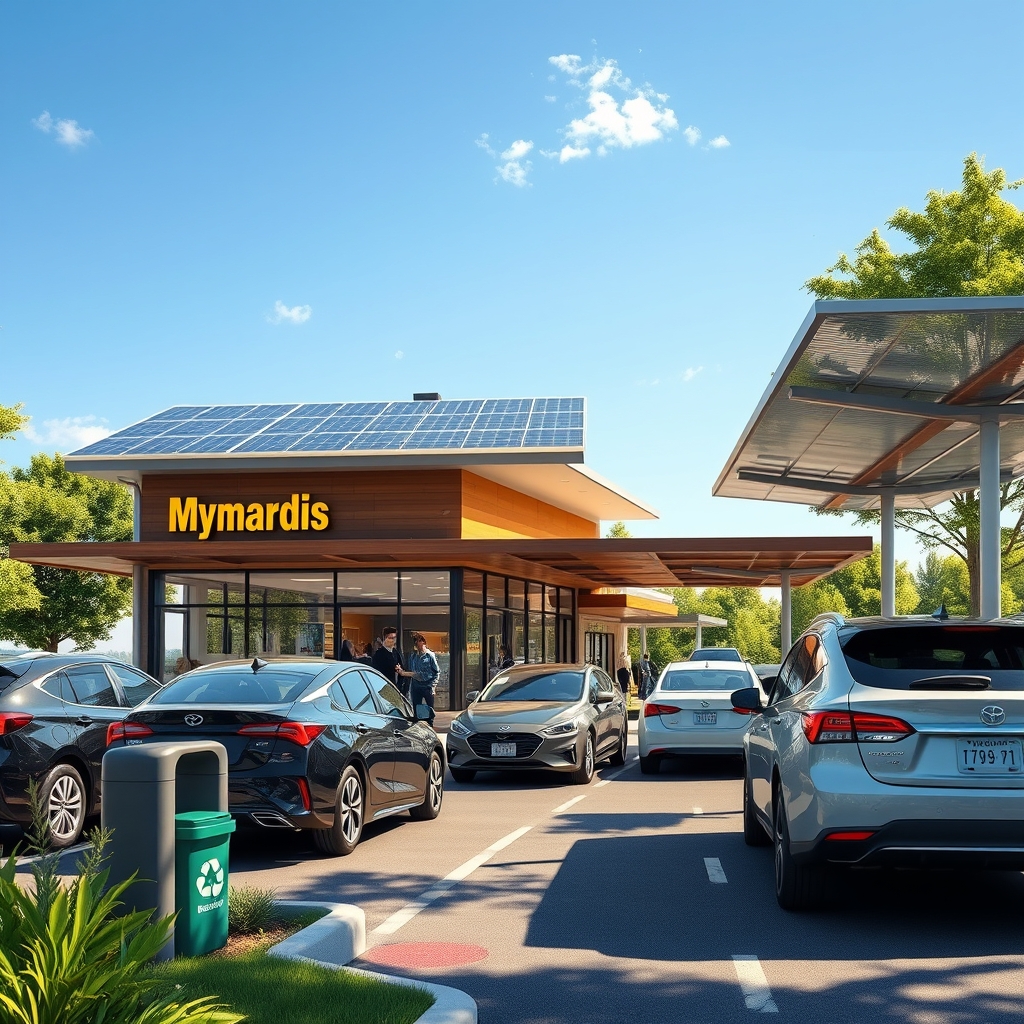
The fast-food industry has long been synonymous with convenience, speed, and, unfortunately, a significant environmental footprint. However, a growing number of drive-thru chains are redefining what it means to serve customers on the go by integrating eco-friendly practices into their operations. From solar-powered kitchens to compostable packaging, these innovations are proving that sustainability and efficiency can go hand in hand. As consumers become more environmentally conscious, the shift toward greener drive-thrus is not just a trend—it’s a necessity for the future of dining.
The Rise of Solar-Powered Drive-Thrus
One of the most impactful changes in the fast-food landscape is the adoption of renewable energy sources, particularly solar power. Chains like McDonald’s and Starbucks have begun installing solar panels on their rooftops and parking lot canopies to offset energy consumption. For example, a McDonald’s location in Disney World’s property in Florida operates entirely on solar energy, thanks to a massive 1.5-megawatt solar installation. This not only reduces reliance on fossil fuels but also cuts down on electricity costs in the long run.
Beyond solar panels, some drive-thrus are exploring wind turbines and geothermal systems to further minimize their carbon footprint. These renewable energy solutions are particularly effective in sunny or windy regions, where they can generate enough power to sustain entire restaurants. The transition to clean energy is a win-win: it reduces greenhouse gas emissions while also appealing to eco-conscious customers who prioritize sustainability in their purchasing decisions.
Energy-Efficient Equipment: Small Changes, Big Impact
While renewable energy sources are a game-changer, energy-efficient equipment plays an equally crucial role in making drive-thrus more sustainable. Modern fast-food kitchens are now equipped with high-efficiency fryers, grills, and refrigeration units that consume significantly less energy than their traditional counterparts. For instance, induction cooktops, which use electromagnetic energy to heat food directly, are becoming increasingly popular for their precision and energy savings.
Lighting is another area where drive-thrus are making strides. LED bulbs, which use up to 80% less energy than incandescent lights, are now standard in many locations. Motion-sensor lighting in storage rooms and restrooms ensures that energy isn’t wasted when spaces are unoccupied. Additionally, smart thermostats and HVAC systems optimize heating and cooling, reducing energy waste while maintaining a comfortable environment for both employees and customers.
Sustainable Packaging: Beyond the Styrofoam Cup
Perhaps the most visible change in eco-friendly drive-thrus is the shift away from single-use plastics and non-recyclable materials. Many chains have phased out Styrofoam cups and plastic straws in favor of compostable or recyclable alternatives. Chipotle, for example, uses bowls made from recycled materials and offers compostable cutlery, while Starbucks has introduced reusable cup programs and paper straws in many of its locations.
Some drive-thrus are taking it a step further by encouraging customers to bring their own containers. Programs like Burger King’s “Bring Your Own Cup” initiative offer discounts to customers who opt for reusable containers, reducing waste while fostering a culture of sustainability. Even the humble drive-thru bag is getting an eco-friendly makeover, with many chains switching to paper bags made from recycled content or biodegradable materials.
Waste Reduction and Recycling Initiatives
Waste management is a critical component of any eco-friendly drive-thru. Many chains are implementing comprehensive recycling programs that sort and process materials like cardboard, glass, and aluminum. Some locations even partner with local composting facilities to turn food waste into nutrient-rich soil, closing the loop on organic waste.
Innovative technologies are also helping drive-thrus reduce waste. For example, AI-powered inventory management systems can predict demand more accurately, minimizing food spoilage. Some chains are even donating surplus food to local shelters and food banks, ensuring that excess meals don’t end up in landfills. These efforts not only reduce environmental impact but also strengthen community ties.
The Role of Customers in Sustainable Drive-Thrus
While drive-thru chains are making significant strides in sustainability, customers also play a vital role in reducing the industry’s carbon footprint. Simple actions, like opting for digital receipts instead of paper ones or choosing plant-based menu items, can make a difference. Many chains now offer vegetarian or vegan options, which require fewer resources to produce than traditional meat-based meals. By making mindful choices, customers can support the shift toward greener drive-thrus and encourage more chains to adopt sustainable practices.
As the fast-food industry continues to evolve, the drive-thru experience is becoming more than just a quick stop for a meal—it’s an opportunity to make choices that align with environmental values. The innovations happening in solar energy, energy-efficient equipment, and sustainable packaging are proof that even small changes can lead to meaningful progress. Every order placed at an eco-friendly drive-thru is a step toward a more sustainable future, where convenience and responsibility coexist. The road ahead is long, but with each green initiative, the fast-food industry moves closer to a world where every meal served leaves a lighter footprint on the planet.