
The Evolution of Eco-Friendly Biofuels: Bridging the Gap Between Internal Combustion Engines and Zero Emission Vehicles
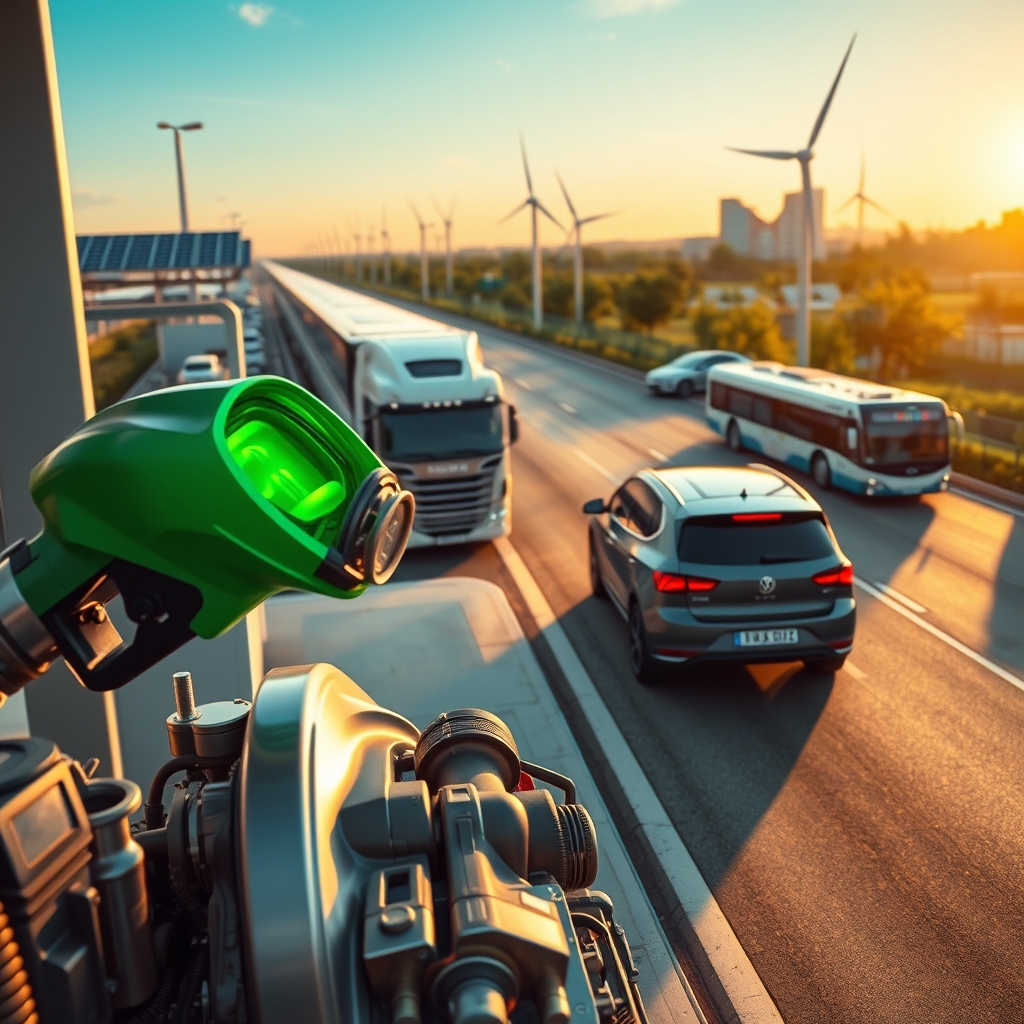
As the world accelerates toward a sustainable future, the conversation around eco-friendly transportation often centers on electric vehicles (EVs) and hydrogen fuel cells. However, the transition to zero-emission mobility is not a one-size-fits-all solution. For many industries and regions, internal combustion engines (ICEs) remain a critical part of the transportation ecosystem. The challenge lies in making these engines cleaner and more efficient until fully sustainable alternatives become universally accessible. This is where eco-friendly biofuels, renewable diesel, and synthetic fuels step in, offering a pragmatic bridge between today’s infrastructure and tomorrow’s zero-emission goals.
The Rise of Eco-Friendly Biofuels
Biofuels have long been touted as a greener alternative to traditional fossil fuels, but not all biofuels are created equal. First-generation biofuels, derived from food crops like corn and sugarcane, raised concerns about land use and food security. However, second- and third-generation biofuels—produced from agricultural waste, algae, and non-food biomass—are changing the narrative. These advanced biofuels not only reduce greenhouse gas emissions but also minimize competition with food production, making them a more sustainable option.
One of the most promising developments in this space is renewable diesel, a drop-in fuel that can be used in existing diesel engines without modification. Unlike biodiesel, which is chemically distinct and often blended with petroleum diesel, renewable diesel is chemically identical to fossil diesel. This means it can be seamlessly integrated into current fueling infrastructure, offering an immediate reduction in carbon emissions without the need for costly engine upgrades or new fueling stations.
Synthetic Fuels: The Carbon-Neutral Game Changer
While biofuels leverage organic materials to create cleaner energy, synthetic fuels—also known as e-fuels—take sustainability a step further by using renewable electricity to produce carbon-neutral hydrocarbons. The process involves capturing carbon dioxide from the atmosphere or industrial sources and combining it with hydrogen derived from water electrolysis. The result is a fuel that, when burned, releases only the CO2 that was originally captured, creating a closed carbon loop.
Synthetic fuels hold particular promise for sectors where electrification is challenging, such as aviation, shipping, and heavy-duty transport. Unlike biofuels, which are limited by feedstock availability, e-fuels can be produced anywhere with access to renewable energy and water. This makes them a scalable solution for achieving carbon-neutral mobility on a global scale. Moreover, because they are compatible with existing ICEs and fueling infrastructure, synthetic fuels can help accelerate the transition to zero-emission vehicles without stranding billions of dollars in current assets.
Dual Fuel Combustion: Maximizing Efficiency and Minimizing Emissions
Another innovative approach to cleaner combustion is dual fuel technology, which combines traditional fuels with alternative energy sources to optimize efficiency and reduce emissions. For example, diesel engines can be modified to run on a blend of diesel and natural gas or hydrogen, significantly cutting CO2 and particulate emissions. This hybrid combustion strategy allows for greater flexibility, enabling engines to switch between fuels based on availability and performance requirements.
Dual fuel systems are particularly advantageous in regions where renewable fuels are not yet widely available. By leveraging existing fuel infrastructure while gradually increasing the proportion of low-carbon fuels, these systems provide a practical pathway to reducing emissions without sacrificing performance or reliability. Additionally, dual fuel engines can be retrofitted into existing fleets, making them a cost-effective solution for businesses and governments looking to meet sustainability targets.
The Role of Exhaust Aftertreatment and Thermal Efficiency
Even as alternative fuels gain traction, advancements in exhaust aftertreatment and thermal efficiency are critical to further reducing the environmental impact of ICEs. Modern aftertreatment systems, such as selective catalytic reduction (SCR) and diesel particulate filters (DPF), have dramatically lowered nitrogen oxide (NOx) and particulate matter emissions from combustion engines. These technologies work in tandem with advanced engine designs, such as turbocharged direct injection (TDI), to improve fuel efficiency and minimize waste.
Thermal efficiency—the measure of how well an engine converts fuel into usable energy—has also seen significant improvements. By optimizing combustion processes, reducing friction, and recovering waste heat, engineers have pushed the boundaries of what ICEs can achieve. These advancements not only extend the viability of combustion engines but also complement the use of biofuels and synthetic fuels, ensuring that every drop of fuel is used as efficiently as possible.
Smart Charging Infrastructure and the Future of Sustainable Mobility
While biofuels and synthetic fuels offer a bridge to zero-emission mobility, the long-term vision for sustainable transportation still hinges on electrification. However, the success of EVs depends on the development of a robust smart charging infrastructure. Unlike traditional fueling stations, smart charging networks leverage connected car technology and battery management systems to optimize energy distribution, reduce peak demand, and integrate renewable energy sources.
Smart charging infrastructure also enables vehicle-to-grid (V2G) technology, where EVs can feed energy back into the grid during periods of high demand. This not only helps stabilize the grid but also turns EVs into mobile energy storage units, further enhancing the sustainability of the transportation sector. As renewable energy becomes more prevalent, the synergy between smart charging and biofuels could create a hybrid energy ecosystem that maximizes efficiency and minimizes emissions across all modes of transport.
The journey toward zero-emission mobility is not a straight line but a series of interconnected pathways, each offering unique solutions to the challenges of sustainability. Eco-friendly biofuels, synthetic fuels, and advanced combustion technologies provide a pragmatic bridge for industries and regions where electrification is not yet feasible. By embracing these innovations, we can reduce emissions today while laying the groundwork for a fully sustainable transportation system tomorrow. The key lies in recognizing that no single solution will meet every need—rather, it is the combination of these technologies, each playing to its strengths, that will drive us toward a cleaner, greener future.