The Alchemy of Efficiency: How Experiential Energy Usage is Redefining Sustainable Fuel Consumption
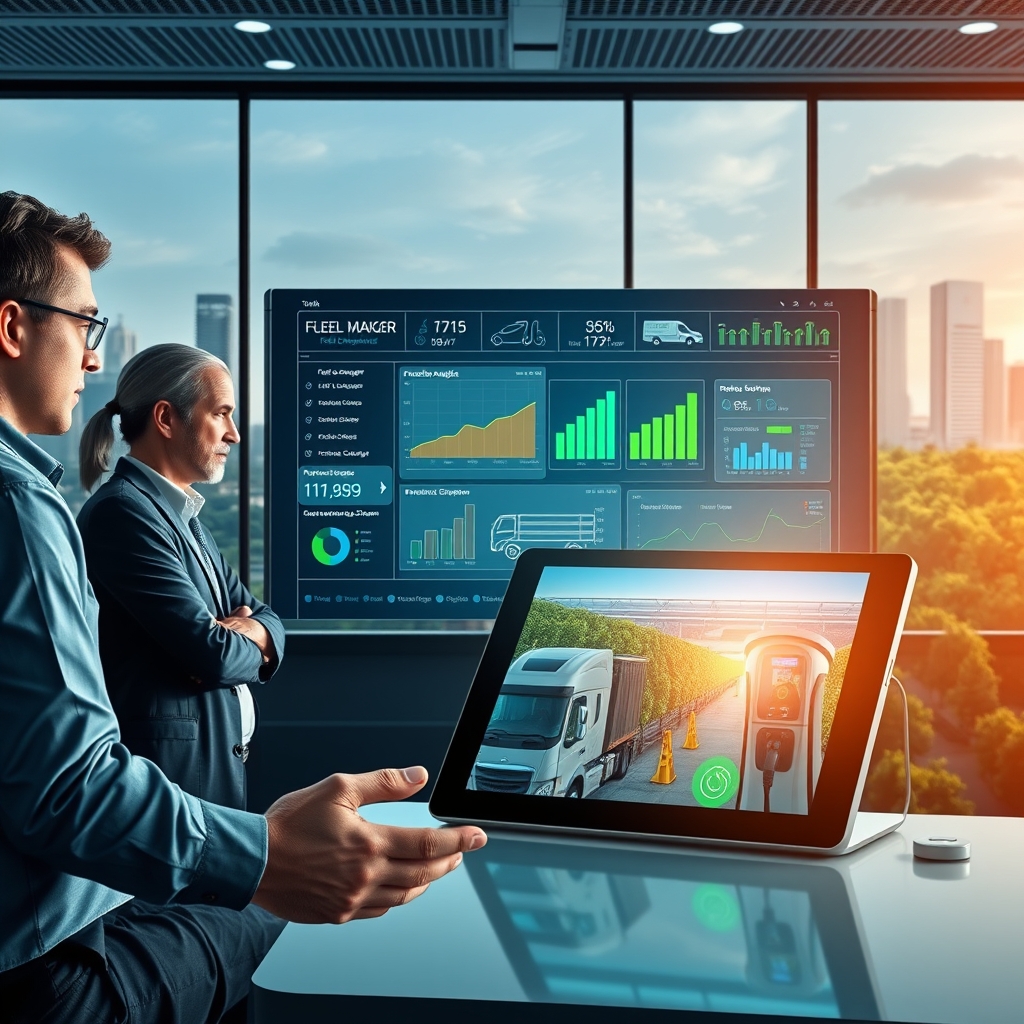
In an era where sustainability is no longer a choice but a necessity, industries are turning to innovative solutions to reduce their carbon footprint while maintaining operational efficiency. Among these solutions, experiential energy usage emerges as a transformative approach, blending human intuition with cutting-edge technology to redefine how we consume fuel. This paradigm shift is not just about reducing emissions; it’s about creating a dynamic, responsive, and intelligent energy ecosystem that adapts to real-world demands in real time.
The Human-Tech Synergy in Fuel Management
At the heart of experiential energy usage lies the fusion of human expertise and technological advancements. Unlike traditional fuel management systems that rely solely on automated processes, this approach integrates the nuanced understanding of operators, drivers, and logistics managers with the precision of intelligent fuel monitoring and predictive fuel analytics. The result? A system that doesn’t just follow pre-set rules but learns, adapts, and optimizes based on lived experiences and data-driven insights.
For instance, consider a fleet operator who notices that certain routes consistently yield better fuel efficiency due to traffic patterns, road conditions, or even driver behavior. By feeding this experiential knowledge into a data-driven energy planning system, the fleet can dynamically adjust routes, refueling schedules, and driving techniques to maximize efficiency. This human-tech synergy doesn’t replace automation; it elevates it, turning raw data into actionable, context-aware strategies.
The Role of Real-Time Consumption Data
Central to experiential energy usage is the ability to access and act on real-time consumption data. Traditional fuel management often operates on delayed or aggregated data, which can lead to inefficiencies and missed opportunities for optimization. In contrast, real-time data provides an immediate snapshot of fuel usage, allowing for on-the-fly adjustments that can significantly reduce waste and improve performance.
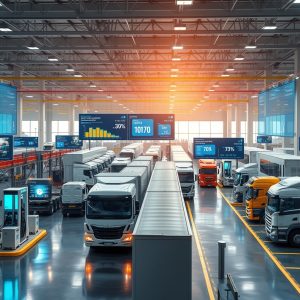
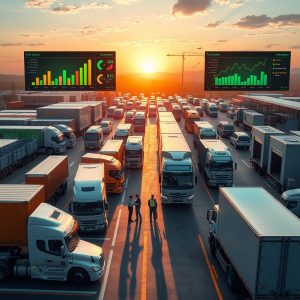
Imagine a logistics company using telematics and IoT sensors to monitor fuel consumption across its fleet. These sensors don’t just track how much fuel is being used; they analyze how it’s being used—identifying patterns like excessive idling, aggressive driving, or inefficient route planning. With this data, the company can implement adaptive energy workflows that respond to these patterns in real time, such as suggesting alternative routes, adjusting speed limits, or even recommending driver training programs to improve fuel efficiency.
From Reactive to Proactive: The Power of Predictive Analytics
While real-time data is invaluable, the true power of experiential energy usage lies in its ability to predict future trends. Predictive fuel analytics takes historical data, real-time inputs, and machine learning algorithms to forecast fuel needs, identify potential inefficiencies, and recommend preemptive actions. This proactive approach shifts the focus from merely reacting to problems to preventing them before they occur.
For example, predictive analytics can anticipate fuel shortages or price spikes, allowing companies to secure fuel at optimal times and avoid costly last-minute purchases. It can also identify vehicles that are likely to require maintenance soon, reducing the risk of breakdowns that could lead to fuel waste or delays. By integrating these predictive insights into integrated fuel logistics, companies can create a seamless, end-to-end fuel management system that operates with unprecedented efficiency.
Eco-Conscious Fuel Selection: Beyond the Basics
Experiential energy usage also redefines eco-conscious fuel selection by moving beyond the binary choice of traditional versus alternative fuels. Instead, it considers a spectrum of fuel options—from biodiesel and hydrogen to synthetic fuels and electric power—each with its own environmental and operational trade-offs. The key is to select the right fuel for the right context, balancing sustainability goals with performance requirements.
For instance, a delivery fleet might use electric vehicles for short, urban routes where charging infrastructure is readily available, while relying on biodiesel or hydrogen for long-haul trips. By leveraging transparent fuel tracking, companies can monitor the environmental impact of each fuel type and adjust their strategies accordingly. This nuanced approach ensures that sustainability is not just a checkbox but a core component of operational decision-making.
The Seamless Refueling Experience: A New Standard
One of the most tangible benefits of experiential energy usage is the transformation of the refueling experience. Traditional refueling processes are often fragmented, time-consuming, and prone to inefficiencies. In contrast, optimized logistics refueling streamlines the entire process, from fuel procurement to delivery, ensuring that vehicles spend less time at the pump and more time on the road.
This seamless experience is achieved through a combination of advanced fleet fueling technologies, such as automated refueling stations, mobile fueling services, and just-in-time delivery systems. These innovations reduce downtime, minimize fuel waste, and lower operational costs. Moreover, by integrating refueling data into broader smarter fuel consumption analysis systems, companies can continuously refine their processes, identifying opportunities for further optimization.
Building a Culture of Sustainability
Ultimately, experiential energy usage is not just about technology; it’s about fostering a culture of sustainability within organizations. This means empowering employees at all levels to contribute to energy efficiency, whether through training programs, incentive structures, or collaborative platforms where best practices can be shared. When every member of a team understands the impact of their actions on fuel consumption, the collective effort can drive meaningful change.
For example, a logistics company might implement a gamified system where drivers are rewarded for achieving fuel efficiency targets. This not only motivates individuals but also creates a sense of shared purpose, reinforcing the idea that sustainability is everyone’s responsibility. By combining this cultural shift with the power of high-performance energy usage technologies, companies can achieve a level of efficiency that was previously unimaginable.
As industries continue to navigate the complexities of sustainable energy consumption, experiential energy usage stands out as a beacon of innovation. It represents a holistic approach that values both human insight and technological precision, creating a dynamic and responsive energy ecosystem. By embracing this paradigm, companies can not only reduce their environmental impact but also unlock new levels of operational efficiency, setting a new standard for the future of fuel management. The journey toward sustainability is not a solitary one; it’s a collaborative effort that thrives on adaptability, intelligence, and a shared commitment to a greener tomorrow.