
Low Carbon Fuel Retail: Strategies for Gas Stations to Go Green
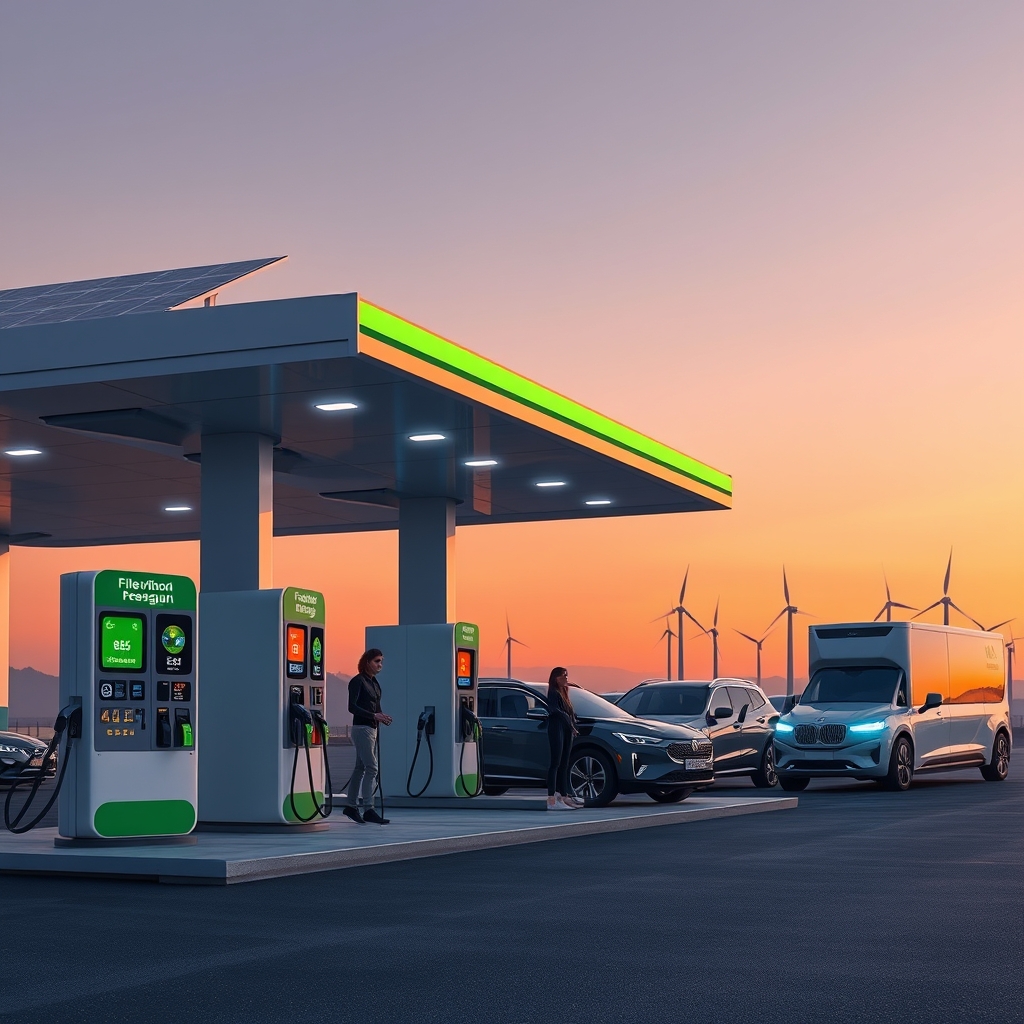
The shift toward sustainability is reshaping industries worldwide, and the fuel retail sector is no exception. As climate concerns intensify and regulatory pressures mount, gas stations face both a challenge and an opportunity: transitioning to low carbon fuels. This evolution isn’t just about compliance—it’s a chance to future-proof businesses, attract eco-conscious customers, and contribute to a cleaner planet. For gas station owners and operators, the journey begins with understanding the landscape of alternative fuels, implementing practical strategies, and fostering a culture of sustainability that resonates with consumers.
The Rise of Low Carbon Fuels: What’s Driving the Change?
Low carbon fuels are gaining traction as governments and consumers alike prioritize reducing greenhouse gas emissions. Traditional gasoline and diesel, while still dominant, are increasingly viewed as relics of a carbon-intensive past. The push for alternatives is driven by several key factors:
- Regulatory Pressures: Governments worldwide are enacting stricter emissions standards and offering incentives for low carbon fuel adoption. For example, the U.S. Renewable Fuel Standard and the European Union’s Renewable Energy Directive mandate the blending of biofuels into traditional fuels. Non-compliance can result in hefty fines, making it imperative for gas stations to adapt.
- Consumer Demand: A growing segment of drivers—particularly millennials and Gen Z—are seeking sustainable options. Surveys show that many consumers are willing to pay a premium for low carbon fuels, provided they understand the benefits. Gas stations that fail to meet this demand risk losing market share to competitors who embrace greener alternatives.
- Corporate Sustainability Goals: Many fleet operators, from delivery services to ride-hailing companies, are committing to carbon-neutral operations. These businesses are actively seeking fuel providers that can support their sustainability targets, creating a lucrative niche for gas stations offering low carbon options.
Exploring Alternative Fuel Options for Gas Stations
Transitioning to low carbon fuels doesn’t mean abandoning traditional fuel infrastructure overnight. Instead, gas stations can adopt a phased approach, integrating alternative fuels alongside conventional options. Here are some of the most viable alternatives:
1. Biofuels: A Drop-In Solution
Biofuels, such as ethanol and biodiesel, are among the most accessible low carbon options for gas stations. They can be blended with gasoline or diesel in varying proportions, requiring minimal modifications to existing infrastructure. For instance:
- Ethanol: Typically derived from corn, sugarcane, or cellulosic biomass, ethanol is commonly blended with gasoline (e.g., E10, E15, or E85). E85, which contains 51-83% ethanol, is particularly popular in flex-fuel vehicles and offers a significant reduction in carbon emissions compared to pure gasoline.
- Biodiesel: Made from vegetable oils, animal fats, or recycled cooking grease, biodiesel can be used in diesel engines with little to no modification. Blends like B5 (5% biodiesel) or B20 (20% biodiesel) are widely compatible with existing diesel vehicles and infrastructure.
Biofuels are a practical starting point for gas stations because they leverage existing fuel distribution networks and require relatively low upfront investment. However, sourcing sustainable feedstocks and ensuring consistent supply can be challenges that require careful planning.
2. Renewable Diesel: A High-Performance Alternative
Renewable diesel, often confused with biodiesel, is a distinct product that offers even greater environmental benefits. Unlike biodiesel, which is produced through transesterification, renewable diesel is refined using hydrogenation, resulting in a fuel that is chemically identical to petroleum diesel. This means it can be used in any diesel engine without modification, making it an attractive option for gas stations serving commercial fleets.
Key advantages of renewable diesel include:
- Lower carbon intensity compared to both petroleum diesel and biodiesel.
- Improved cold-weather performance, reducing the risk of fuel gelling in colder climates.
- Compatibility with existing diesel infrastructure, minimizing the need for costly upgrades.
While renewable diesel is currently more expensive than conventional diesel, its price is expected to decrease as production scales up and more feedstocks become available.
3. Compressed Natural Gas (CNG) and Liquefied Natural Gas (LNG)
Natural gas, particularly in its compressed (CNG) or liquefied (LNG) forms, is another low carbon fuel option gaining popularity. CNG is primarily used in light-duty vehicles, while LNG is better suited for heavy-duty trucks and buses. Both fuels produce significantly fewer emissions than gasoline or diesel, making them ideal for fleets looking to reduce their carbon footprint.
For gas stations, offering CNG or LNG requires specialized infrastructure, such as compressors, storage tanks, and dispensers. While the initial investment can be high, government grants and incentives are often available to offset costs. Additionally, natural gas prices are typically lower and more stable than gasoline or diesel, providing long-term cost savings for both gas stations and their customers.
4. Electric Vehicle (EV) Charging: The Future of Fueling
No discussion of low carbon fuels would be complete without addressing electric vehicles (EVs). While EVs don’t rely on traditional fuel pumps, gas stations can still play a pivotal role in the EV revolution by installing charging stations. This not only diversifies revenue streams but also positions gas stations as forward-thinking leaders in sustainability.
Key considerations for gas stations looking to add EV charging include:
- Charging Speed: Level 2 chargers are suitable for longer stops (e.g., shopping centers or restaurants), while DC fast chargers are ideal for quick top-ups during road trips. Offering a mix of both can cater to a broader range of customers.
- Location and Accessibility: Charging stations should be easily accessible and visible from the road. Partnering with nearby businesses (e.g., cafes or retail stores) can create a more attractive experience for EV drivers.
- Pricing Models: Gas stations can monetize EV charging through pay-per-use models, subscription plans, or even free charging as a customer loyalty incentive.
While the upfront cost of EV charging infrastructure can be significant, federal and state incentives, as well as partnerships with automakers and charging networks, can help mitigate expenses.
Educating Customers: The Key to Successful Adoption
Offering low carbon fuels is only half the battle—gas stations must also educate customers about their benefits and usage. Many drivers are unfamiliar with alternative fuels or harbor misconceptions about their performance and availability. Effective customer education can bridge this gap and drive adoption.
1. Clear Signage and Messaging
Gas stations should use clear, concise signage to highlight the availability of low carbon fuels. This includes:
- Pump labels indicating the type of fuel (e.g., E85, B20, CNG) and its benefits (e.g., “Reduces emissions by 30%”).
- Informational posters or digital screens near fuel pumps explaining how each fuel works and its environmental advantages.
- Vehicle compatibility guides to help customers determine which fuels are suitable for their cars.
Visual cues, such as green accents or leaf icons, can also reinforce the eco-friendly nature of the fuels and make them more appealing to sustainability-minded consumers.
2. Staff Training
Employees play a critical role in educating customers. Gas station staff should be trained to answer common questions about low carbon fuels, such as:
- How do biofuels differ from traditional fuels?
- Are there any performance trade-offs?
- What vehicles are compatible with each fuel type?
- Are there any cost savings or incentives for using low carbon fuels?
Well-informed staff can build trust with customers and encourage them to try alternative fuels.
3. Digital Engagement
In today’s digital age, gas stations can leverage online platforms to educate customers about low carbon fuels. Strategies include:
- Social Media: Sharing posts about the benefits of low carbon fuels, success stories from other gas stations, or tips for reducing carbon footprints.
- Email Newsletters: Sending updates about new fuel offerings, promotions, or educational content to subscribers.
- Mobile Apps: Developing an app that allows customers to locate gas stations with low carbon fuel options, track their fuel savings, or earn rewards for choosing sustainable fuels.
Digital engagement not only educates customers but also fosters a sense of community around sustainability.
Navigating Regulatory Compliance and Incentives
Transitioning to low carbon fuels involves navigating a complex web of regulations and incentives. Gas stations must stay informed about local, state, and federal requirements to ensure compliance and maximize financial benefits.
1. Understanding Emissions Standards
Emissions standards vary by region, but most jurisdictions are tightening their requirements. For example:
- In the U.S., the Environmental Protection Agency (EPA) sets standards for fuel composition and vehicle emissions. Gas stations must ensure their fuel blends meet these standards to avoid penalties.
- In the EU, the Renewable Energy Directive mandates that a certain percentage of transport fuels come from renewable sources. Gas stations must track and report their fuel sales to demonstrate compliance.
Staying compliant requires regular monitoring of regulatory updates and working with fuel suppliers to ensure all products meet the latest standards.
2. Leveraging Government Incentives
Many governments offer incentives to encourage the adoption of low carbon fuels. These can include:
- Tax Credits: In the U.S., the Alternative Fuel Infrastructure Tax Credit provides a 30% tax credit (up to $30,000) for installing alternative fuel infrastructure, such as CNG or EV charging stations.
- Grants: Programs like the U.S. Department of Energy’s Clean Cities initiative offer grants to support the deployment of alternative fuels and infrastructure.
- Rebates: Some states and municipalities provide rebates for purchasing low carbon fuels or installing related equipment.
Gas stations should research available incentives in their area and work with industry associations or consultants to apply for funding.
3. Partnering with Industry Organizations
Industry organizations, such as the Renewable Fuels Association or the Natural Gas Vehicles for America, can provide valuable resources and support for gas stations transitioning to low carbon fuels. These organizations offer:
- Educational materials and training programs.
- Networking opportunities with other fuel retailers and suppliers.
- Advocacy for policies that support the growth of low carbon fuels.
Partnering with these organizations can help gas stations stay ahead of regulatory changes and access exclusive resources.
The transition to low carbon fuels is not just a trend—it’s a fundamental shift in how the world powers transportation. For gas stations, this shift presents an opportunity to redefine their role in the energy ecosystem, from mere fuel providers to champions of sustainability. By embracing alternative fuels, educating customers, and navigating regulatory landscapes, gas stations can position themselves as leaders in the green revolution. The journey may require investment and effort, but the rewards—loyal customers, regulatory compliance, and a healthier planet—are well worth the commitment. As the demand for low carbon fuels continues to grow, those who act now will be best positioned to thrive in the future of fuel retail.