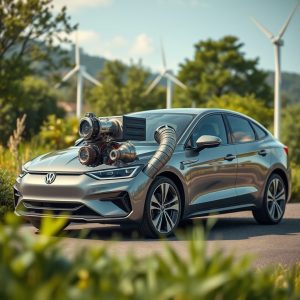
The Quiet Revolution: How Solid State Batteries and Connected Car Technology Are Redefining the Future of Zero Emission Mobility
In the quiet corners of innovation, a revolution is unfolding that promises to redefine the future of zero emission mobility. At the heart of this transformation are two groundbreaking technologies: solid state batteries and connected car technology. Together, they are paving the way for a new era of sustainable transportation, offering unparalleled efficiency, safety, and connectivity.
The Solid State Advantage
Unmatched Efficiency and Safety
Solid state batteries represent a significant leap forward in battery technology. Unlike traditional lithium-ion batteries, which use liquid electrolytes, solid state batteries utilize solid electrolytes. This fundamental difference brings about several advantages. Firstly, solid state batteries offer higher energy density, meaning they can store more energy in the same space. This translates to longer driving ranges for electric vehicles (EVs) and reduced charging times.
Moreover, solid state batteries are inherently safer. The solid electrolyte prevents the formation of dendrites, which are microscopic structures that can cause short circuits and, in extreme cases, lead to fires or explosions. This enhanced safety profile is a critical factor for the widespread adoption of EVs, addressing one of the primary concerns of potential buyers.
Extended Lifespan and Reliability
Another significant benefit of solid state batteries is their extended lifespan. Traditional lithium-ion batteries degrade over time, losing capacity and performance. Solid state batteries, however, exhibit minimal degradation over their lifespan, promising a longer useful life. This not only reduces the environmental impact of battery disposal but also lowers the overall cost of ownership for EV owners.
Reliability is another key advantage. Solid state batteries are less prone to thermal runaway, a phenomenon where a battery overheats and can lead to catastrophic failure. This reliability ensures that EVs equipped with solid state batteries can perform consistently, even under extreme conditions.
The Power of Connected Car Technology
Enhanced User Experience and Safety
Connected car technology is another pillar of the quiet revolution. This technology enables EVs to connect to the internet and other vehicles, creating a network of smart, interconnected cars. The result is a more seamless and enjoyable driving experience.
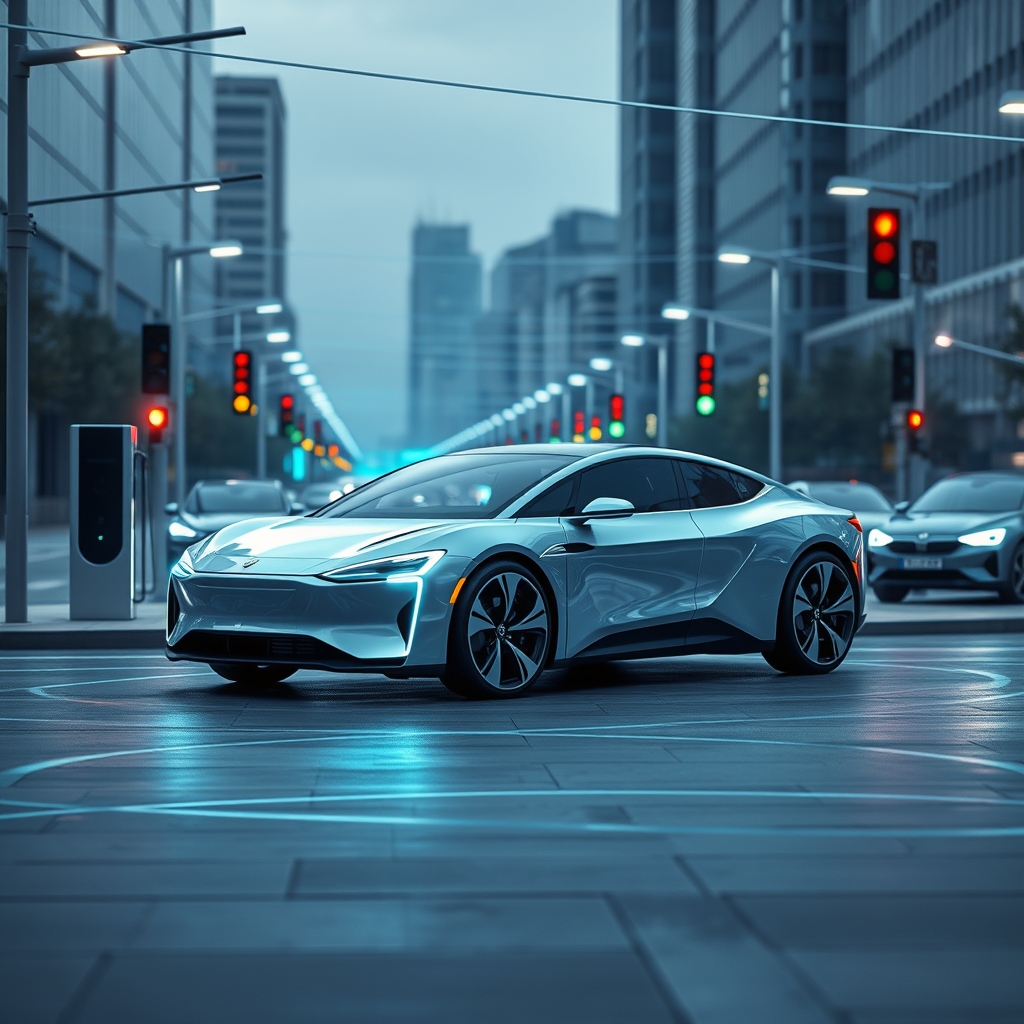
One of the most significant benefits of connected car technology is enhanced safety. Vehicles can communicate with each other, sharing real-time data about their location, speed, and direction. This allows for predictive safety features, such as collision avoidance systems that can alert drivers to potential hazards before they occur. Additionally, connected cars can integrate with smart infrastructure, such as traffic lights and road sensors, to optimize traffic flow and reduce congestion.
Advanced Features and Customization
Connected car technology also enables a host of advanced features and customization options. Drivers can access real-time traffic updates, weather forecasts, and navigation assistance directly from their dashboard. Over-the-air updates allow manufacturers to push software updates and new features to vehicles remotely, ensuring that the latest innovations are always at the driver’s fingertips.
Furthermore, connected cars can learn from the driver’s habits and preferences, offering personalized recommendations for routes, charging stations, and even driving styles. This level of customization enhances the overall driving experience, making EVs more intuitive and user-friendly.
The Synergy of Solid State Batteries and Connected Car Technology
Optimizing Energy Management
The synergy between solid state batteries and connected car technology creates a powerful combination that optimizes energy management. Connected cars can utilize real-time data to manage battery usage more efficiently. For instance, they can predict energy needs based on traffic conditions and adjust power delivery accordingly, maximizing the range and performance of the vehicle.
Additionally, connected cars can integrate with smart charging infrastructure, allowing for more efficient energy transfer. This not only reduces charging times but also optimizes the use of renewable energy sources, further enhancing the sustainability of the vehicle.
Enhanced Performance and Versatility
The combination of solid state batteries and connected car technology also enhances the performance and versatility of EVs. The higher energy density of solid state batteries allows for more powerful acceleration and longer driving ranges, making EVs more competitive with traditional internal combustion engine vehicles.
Connected car technology adds another layer of versatility. EVs can be part of a larger ecosystem of smart devices, from home energy systems to mobile apps, creating a seamless and integrated user experience. This versatility makes EVs not just a mode of transportation but a central hub for smart, sustainable living.
As we stand on the brink of this quiet revolution, it’s clear that solid state batteries and connected car technology are not just incremental improvements but transformative innovations. They are redefining the future of zero emission mobility, making it more efficient, safer, and more connected than ever before. The road ahead is paved with promise, and the journey is just beginning.