The Fuel Efficiency Playbook: How Smarter Consumption Analysis and Integrated Logistics Are Powering the Next Era of Sustainable Transport
In an era where sustainability is no longer a choice but a necessity, industries worldwide are rethinking how they manage energy—especially in logistics and transport. The traditional approach to fuel consumption, once characterized by guesswork and reactive measures, is being replaced by a new paradigm: one driven by intelligence, integration, and foresight. At the heart of this transformation lies a powerful combination of smarter fuel consumption analysis and integrated logistics, working in tandem to create a more efficient, eco-conscious, and economically viable future.
The Anatomy of Smarter Fuel Consumption Analysis
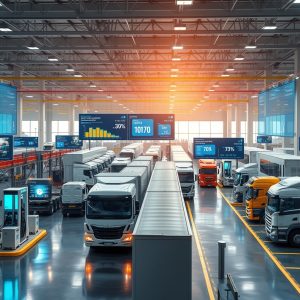
Fuel consumption analysis has evolved far beyond simple spreadsheets and manual logs. Today, it is a sophisticated discipline that leverages real-time data, machine learning, and predictive modeling to uncover inefficiencies that were once invisible. By analyzing patterns in vehicle performance, driver behavior, route efficiency, and external factors like traffic and weather, organizations can identify opportunities to reduce waste without compromising operational performance.
For example, telematics systems now provide granular insights into idling times, acceleration patterns, and braking habits—all of which directly impact fuel efficiency. When this data is fed into advanced analytics platforms, it becomes possible to generate actionable recommendations: rerouting vehicles to avoid congestion, optimizing load distribution, or even adjusting engine settings for better performance. The result is not just lower fuel consumption, but a more responsive and adaptive transport network.
From Data to Decision: The Role of Predictive Analytics
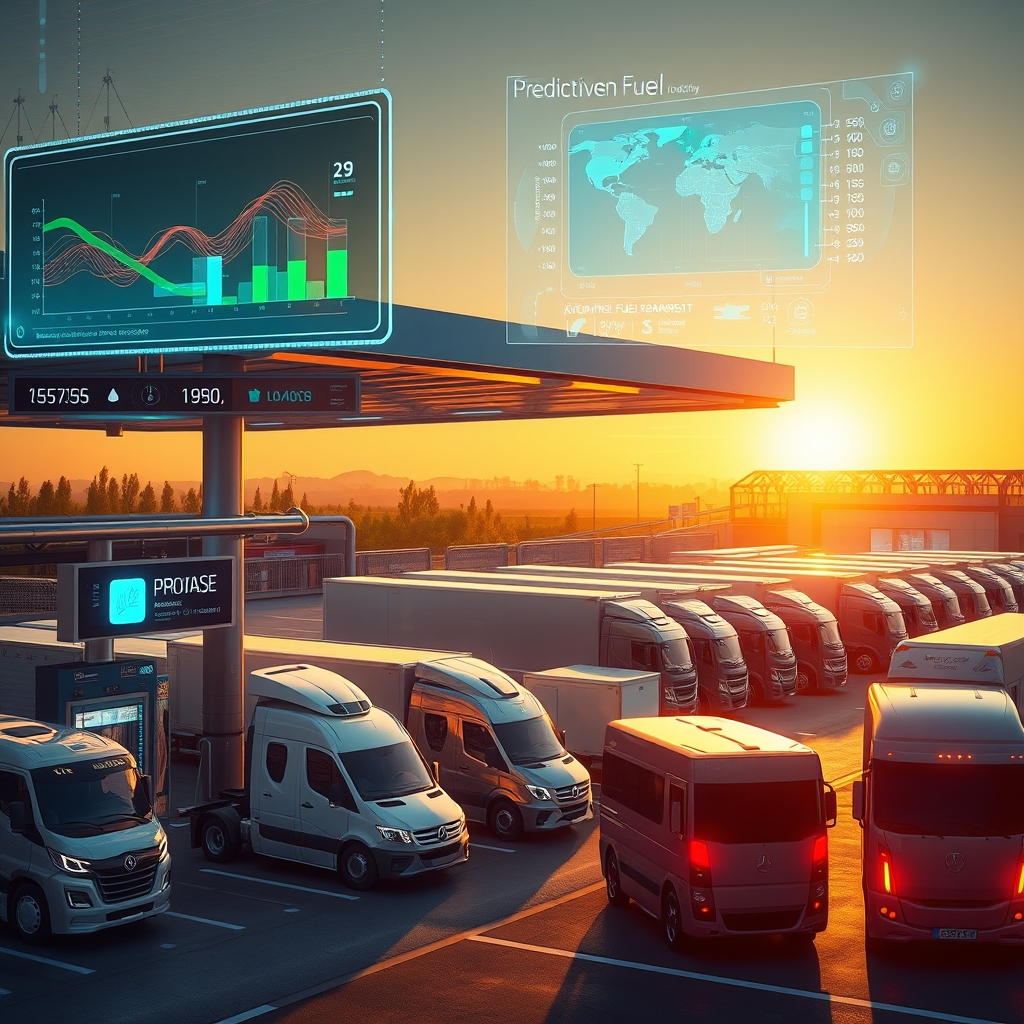
Predictive fuel analytics takes this a step further by anticipating future consumption trends before they materialize. Using historical data and AI-driven forecasting, fleets can predict fuel needs with remarkable accuracy, allowing for proactive refueling strategies that minimize downtime and reduce costs. This is particularly valuable in large-scale operations, where even small inefficiencies can compound into significant financial and environmental costs.
Moreover, predictive analytics enables organizations to simulate the impact of different fuel types—such as biofuels, hydrogen, or synthetic fuels—on their operations. This empowers decision-makers to make informed choices about eco-conscious fuel selection, balancing performance, cost, and sustainability goals. The shift from reactive to predictive fuel management is not just about saving money; it’s about future-proofing operations in an increasingly carbon-constrained world.
The Backbone of Efficiency: Integrated Fuel Logistics
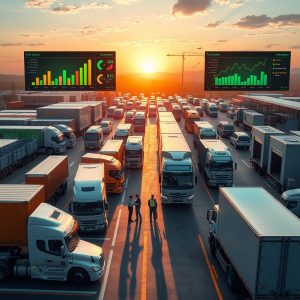
While smarter analysis provides the insights, integrated fuel logistics ensure those insights translate into action. This involves the seamless coordination of fuel procurement, storage, distribution, and refueling across an entire fleet or supply chain. The goal is to eliminate silos, reduce redundancies, and create a unified system where every drop of fuel is accounted for and optimized.
One of the most transformative developments in this space is the rise of automated refueling solutions. These systems use IoT-enabled sensors and AI to monitor fuel levels in real time, triggering refueling only when necessary and in the most efficient quantities. This not only prevents overfilling and spillage but also ensures that vehicles are always fueled at the optimal time—whether that’s during off-peak hours to avoid congestion or at locations where fuel prices are lowest.
Transparency as a Catalyst for Trust and Efficiency
Transparent fuel tracking is another critical component of integrated logistics. By providing stakeholders with real-time visibility into fuel usage, costs, and carbon emissions, organizations can foster accountability and drive continuous improvement. This transparency is particularly valuable for companies committed to sustainability reporting, as it allows them to demonstrate progress toward carbon-neutral goals with verifiable data.
For instance, blockchain technology is increasingly being used to create immutable records of fuel transactions, ensuring that every gallon is traced from source to consumption. This not only reduces the risk of fraud but also builds trust with customers, regulators, and investors who demand proof of sustainable practices. In a world where greenwashing is a growing concern, transparent fuel tracking is a powerful tool for authenticity.
The Human Element: Cultivating an Eco-Conscious Culture
Technology alone cannot drive the shift toward sustainable fuel consumption. It must be accompanied by a cultural shift—one where every stakeholder, from drivers to executives, understands their role in reducing energy waste. Training programs that emphasize eco-driving techniques, such as smooth acceleration and maintaining optimal tire pressure, can yield immediate fuel savings. Similarly, incentive programs that reward teams for meeting efficiency targets can reinforce positive behaviors.
Moreover, organizations are increasingly involving employees in sustainability initiatives, such as fuel-saving challenges or feedback loops where drivers can share insights from the field. This not only improves engagement but also surfaces practical ideas that might otherwise go unnoticed. When technology and human ingenuity align, the potential for efficiency gains becomes limitless.
The Ripple Effect of High-Performance Energy Usage
The benefits of smarter fuel consumption analysis and integrated logistics extend far beyond individual fleets. When multiple organizations adopt these practices, the cumulative impact can reshape entire industries. Reduced fuel consumption leads to lower greenhouse gas emissions, less strain on fuel supply chains, and even lower costs for end consumers. In this way, efficiency becomes a shared value—one that benefits businesses, communities, and the planet alike.
As the world moves toward a low-carbon future, the transport sector stands at a crossroads. Those who embrace smarter, more integrated approaches to fuel management will not only survive but thrive in this new landscape. The tools and technologies are already here; what’s needed now is the vision and commitment to use them wisely. The journey toward sustainable transport is not a sprint, but a steady evolution—one where every decision, every innovation, and every drop of fuel brings us closer to a more efficient and responsible future.