The Rise of Smart Charging Infrastructure and Eco-Friendly Biofuels: Powering the Next Era of Sustainable Transportation
The transportation sector stands at a crossroads, where innovation and sustainability must converge to address the pressing challenges of climate change and urbanization. As the world shifts toward carbon-neutral mobility, two technologies are emerging as game-changers: smart charging infrastructure and eco-friendly biofuels. Together, they offer a dynamic pathway to reduce emissions, enhance energy efficiency, and create a more resilient transportation ecosystem.
The Evolution of Smart Charging Infrastructure
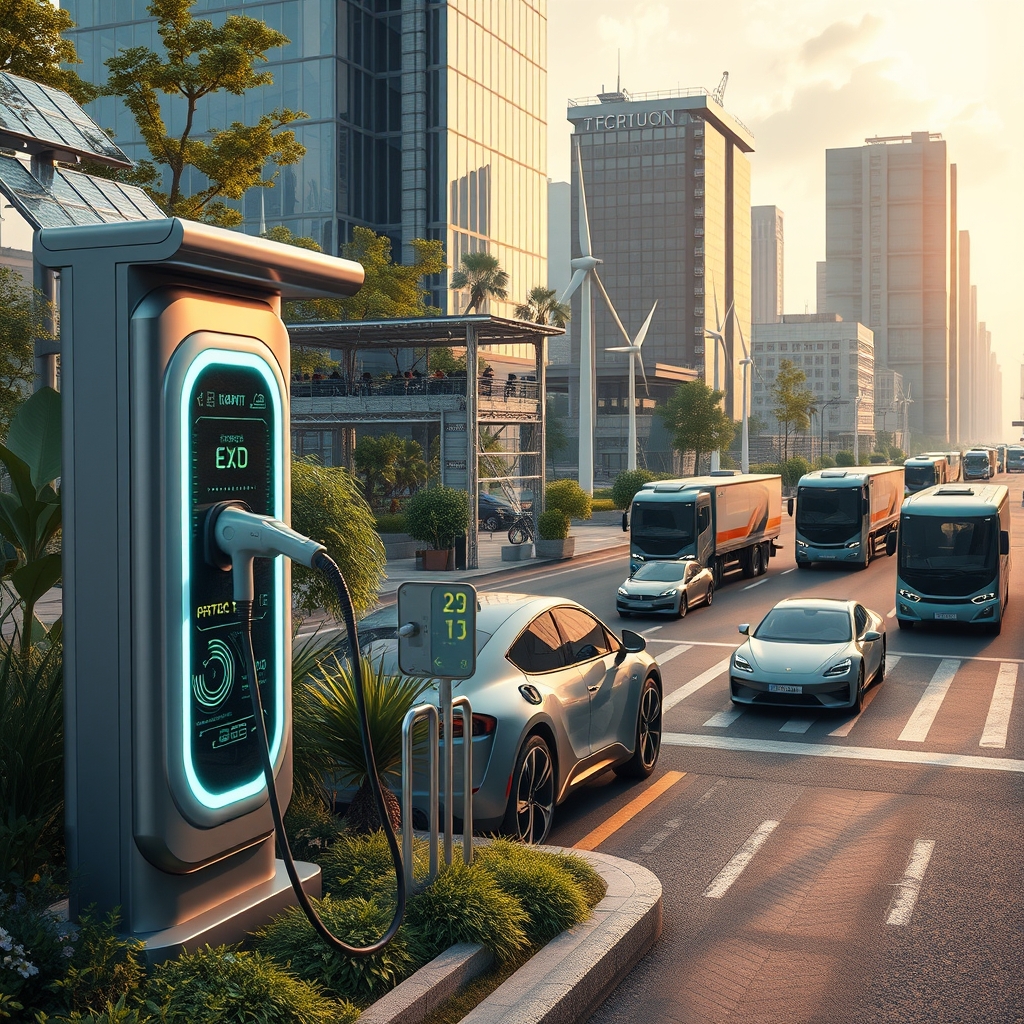
Electric vehicles (EVs) are no longer a futuristic concept—they are a present-day reality. However, their widespread adoption hinges on the development of a robust and intelligent charging network. Smart charging infrastructure goes beyond merely providing power; it integrates advanced technologies like artificial intelligence, IoT connectivity, and real-time data analytics to optimize energy distribution. These systems can dynamically adjust charging speeds based on grid demand, renewable energy availability, and user preferences, ensuring a seamless and efficient experience for EV owners.
One of the most significant advantages of smart charging is its ability to balance energy loads. By leveraging vehicle-to-grid (V2G) technology, EVs can not only draw power from the grid but also feed excess energy back into it during peak demand periods. This bidirectional flow transforms EVs into mobile energy storage units, enhancing grid stability and reducing the need for fossil fuel-based power plants. Additionally, smart charging stations can prioritize renewable energy sources, such as solar or wind, further reducing the carbon footprint of electric mobility.
The Role of Connected Car Technology
Connected car technology plays a pivotal role in the success of smart charging infrastructure. By enabling real-time communication between vehicles, charging stations, and the grid, connected systems can predict charging needs, optimize routes, and even pre-condition batteries for optimal performance. For instance, a driver heading home after work could receive a notification suggesting the best time to charge based on local energy prices and grid capacity. This level of integration not only enhances convenience but also maximizes the efficiency of the entire energy ecosystem.
Eco-Friendly Biofuels: A Bridge to Carbon-Neutral Mobility
While electric vehicles dominate the conversation around sustainable transportation, eco-friendly biofuels are carving out their own niche as a viable alternative for reducing emissions. Unlike traditional fossil fuels, biofuels are derived from renewable sources such as agricultural waste, algae, or even used cooking oil. When produced sustainably, these fuels can achieve near-zero carbon emissions, making them an attractive option for sectors where electrification is challenging, such as aviation, shipping, and heavy-duty transport.
One of the most promising developments in biofuels is the rise of renewable diesel. Unlike biodiesel, which is chemically distinct from petroleum diesel, renewable diesel is a drop-in replacement that can be used in existing engines without modifications. This compatibility makes it an ideal solution for fleets looking to transition to cleaner fuels without significant infrastructure changes. Moreover, renewable diesel offers superior performance in cold weather and produces fewer emissions, including nitrogen oxides and particulate matter, compared to conventional diesel.
The Synergy with Internal Combustion Engines
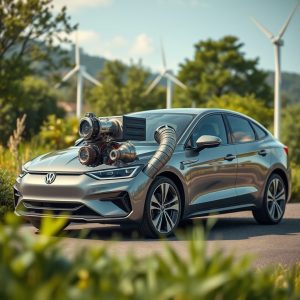
For all the advancements in electric and hydrogen-powered vehicles, internal combustion engines (ICEs) are not disappearing anytime soon. Instead, they are evolving to become more efficient and environmentally friendly. Eco-friendly biofuels provide a lifeline for ICEs, allowing them to operate with significantly lower emissions. When combined with advanced engine technologies like turbocharged direct injection and exhaust aftertreatment systems, biofuels can help bridge the gap between traditional and zero-emission mobility.
This synergy is particularly important for developing regions where the infrastructure for electric or hydrogen vehicles may not yet be widespread. Biofuels offer a practical and immediate solution to reduce emissions while laying the groundwork for a more sustainable transportation future. Additionally, the production of biofuels can stimulate local economies by creating jobs in agriculture, refining, and distribution.
The Path Forward: Integration and Innovation
The future of sustainable transportation lies in the integration of multiple technologies, each addressing different aspects of the mobility ecosystem. Smart charging infrastructure and eco-friendly biofuels are not competing solutions but complementary ones. While smart charging accelerates the adoption of electric vehicles, biofuels provide a flexible and scalable option for reducing emissions in sectors where electrification is not yet feasible. Together, they form a powerful duo that can drive the transition to carbon-neutral mobility.
Governments, industries, and consumers all have a role to play in this transition. Policymakers must create incentives for the adoption of smart charging and biofuels, while also investing in the necessary infrastructure. Automakers and energy providers need to collaborate on developing innovative solutions that meet the evolving needs of drivers. Meanwhile, consumers can contribute by making informed choices about the vehicles they drive and the fuels they use.
The journey toward sustainable transportation is not a sprint but a marathon. It requires a holistic approach that embraces both cutting-edge technologies and practical solutions. As smart charging infrastructure and eco-friendly biofuels continue to evolve, they will redefine the way we think about mobility, energy, and the environment. The road ahead is challenging, but with innovation and collaboration, a carbon-neutral future is within reach. The choices we make today will shape the transportation landscape for generations to come, and the time to act is now.