
Biomethane Fuel and Compressed Natural Gas: The Silent Revolution in Clean Transportation
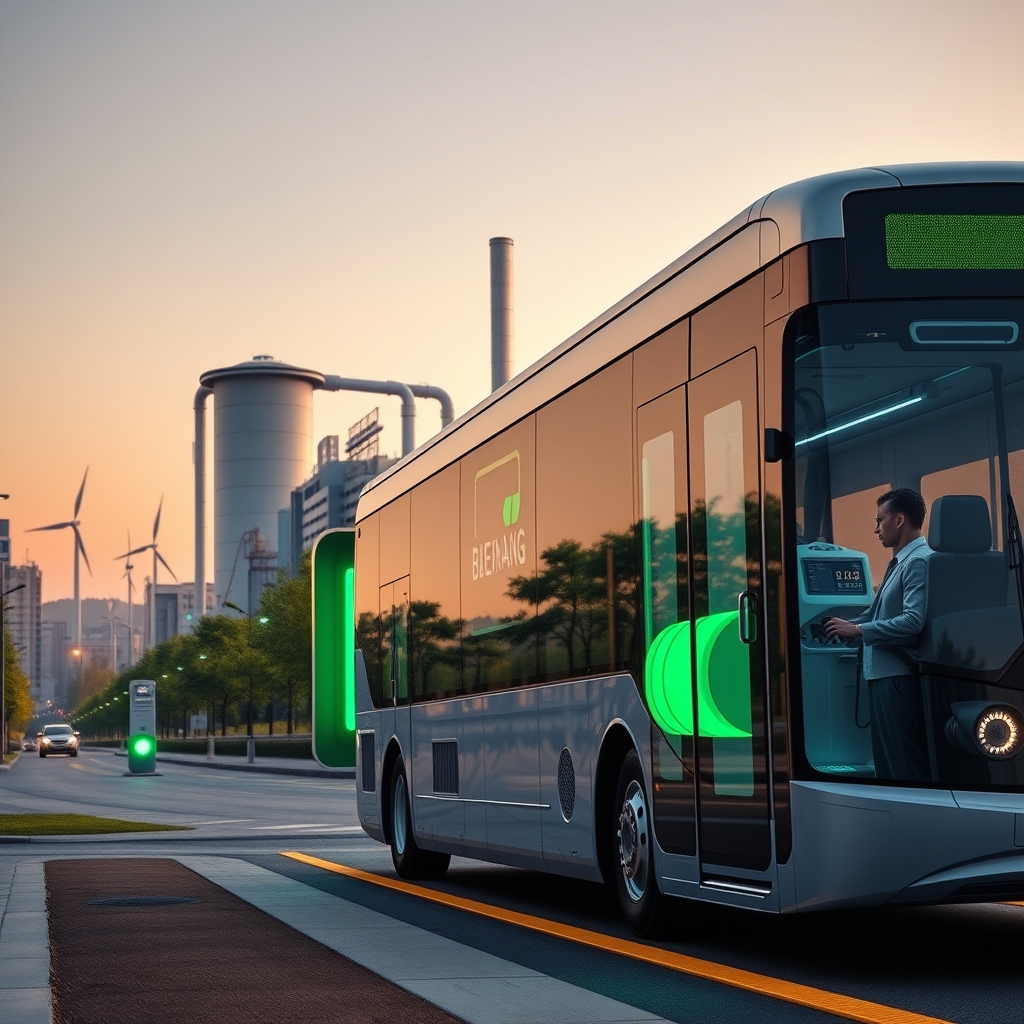
As the world accelerates its shift toward sustainable mobility, alternative fuels are emerging as critical players in reducing carbon emissions without sacrificing performance. Among these, biomethane fuel and compressed natural gas (CNG) technology stand out as underrated yet highly effective solutions. Unlike more publicized alternatives such as hydrogen fuel cells or synthetic e-fuels, biomethane and CNG offer immediate, scalable benefits—leveraging existing infrastructure while delivering significant environmental advantages.
The Science Behind Biomethane Fuel
Biomethane is a renewable, pipeline-quality gas produced through the anaerobic digestion of organic waste—such as agricultural residues, food scraps, and sewage. This process not only generates a clean-burning fuel but also helps mitigate methane emissions from decomposing waste, a potent greenhouse gas. Once purified, biomethane is chemically identical to natural gas, making it fully compatible with CNG vehicles and infrastructure.
The production of biomethane is a closed-loop system. Organic waste is broken down by microorganisms in oxygen-free environments, producing biogas (a mix of methane and carbon dioxide). After upgrading—where impurities like CO₂ and hydrogen sulfide are removed—the result is a high-purity biomethane that can be injected into natural gas grids or used directly as vehicle fuel. This circular economy approach turns waste into energy, reducing landfill use and lowering overall emissions.
Environmental and Economic Benefits
One of the most compelling advantages of biomethane is its carbon-neutral lifecycle. When burned, it releases CO₂ that was recently absorbed by the organic matter used in its production, unlike fossil natural gas, which releases ancient carbon stored underground. Studies show that biomethane can reduce greenhouse gas emissions by up to 80-90% compared to diesel, making it one of the cleanest transportation fuels available today.
Economically, biomethane production creates jobs in rural areas, supports local agriculture, and reduces dependence on imported fossil fuels. Countries like Sweden and Germany have already integrated biomethane into their public transport fleets, demonstrating its viability as a mainstream fuel. In the U.S., California’s Low Carbon Fuel Standard has incentivized biomethane adoption, leading to a growing network of refueling stations and fleet conversions.
Compressed Natural Gas: A Proven and Practical Solution
While biomethane is a renewable subset, compressed natural gas (CNG) as a broader category has been powering vehicles for decades. CNG is primarily composed of methane and is stored under high pressure in onboard tanks. It burns cleaner than gasoline or diesel, producing fewer nitrogen oxides (NOx), particulate matter, and carbon monoxide. For heavy-duty vehicles like buses and trucks, CNG offers a cost-effective way to meet stringent emissions regulations without requiring a complete overhaul of engine technology.
Infrastructure and Vehicle Integration
The infrastructure for CNG is already well-established in many regions. Refueling stations are simpler and safer than hydrogen or electric charging networks, and CNG tanks can be integrated into existing vehicle designs with minimal modifications. Dual-fuel systems, which allow engines to run on both CNG and diesel, provide flexibility for fleets transitioning to cleaner fuels. This adaptability makes CNG an attractive option for developing countries seeking to reduce urban air pollution without massive upfront investments.
Moreover, advancements in high-pressure injection systems have improved CNG engine efficiency and performance. Modern CNG vehicles deliver comparable torque and range to their diesel counterparts, with the added benefit of quieter operation. In cities like Delhi and Tehran, where air quality is a critical concern, CNG has become the fuel of choice for public transport, significantly reducing smog and respiratory illnesses.
Synergies with Other Sustainable Fuels
Biomethane and CNG do not exist in isolation—they complement other emerging fuel technologies. For instance, excess biomethane can be used to produce green hydrogen through steam methane reforming, a process that becomes carbon-neutral when powered by renewable electricity. Similarly, biomethane can be converted into e-methanol or synthetic e-fuels, further expanding its applications in shipping and aviation.
In the context of fuel cell electric vehicles (FCEVs), biomethane-derived hydrogen offers a bridge between today’s CNG infrastructure and tomorrow’s zero-emission mobility. By leveraging existing pipelines and refueling networks, biomethane can accelerate the adoption of hydrogen-powered vehicles, particularly in regions where building new hydrogen infrastructure from scratch would be prohibitively expensive.
The Role of Policy and Innovation
The growth of biomethane and CNG depends heavily on supportive policies. Incentives such as tax credits, grants for refueling infrastructure, and low-carbon fuel standards have proven effective in driving adoption. The European Union’s Renewable Energy Directive, for example, mandates that member states increase the share of renewable gases in their energy mix, creating a strong market for biomethane.
Innovation is also key. Research into algae-based biomethane production could unlock even higher yields and lower costs. Meanwhile, advancements in CNG tank materials—such as carbon fiber composites—are making vehicles lighter and more efficient. Startups are exploring decentralized biomethane production, where small-scale digesters process local waste, reducing transportation costs and increasing energy independence.
The transition to sustainable mobility is not a one-size-fits-all endeavor. While hydrogen and electric vehicles dominate headlines, biomethane and CNG offer pragmatic, near-term solutions that can deliver immediate emissions reductions. By harnessing waste as a resource and leveraging existing infrastructure, these fuels provide a pathway to cleaner air and energy security without waiting for future technologies to mature. As cities and industries seek to balance environmental goals with economic realities, biomethane and CNG stand ready to play a pivotal role in the quiet revolution of clean transportation.