
The Promise of Hydrogen Fuel Cells and Smart Charging: A Dual Path to Zero Emission Mobility
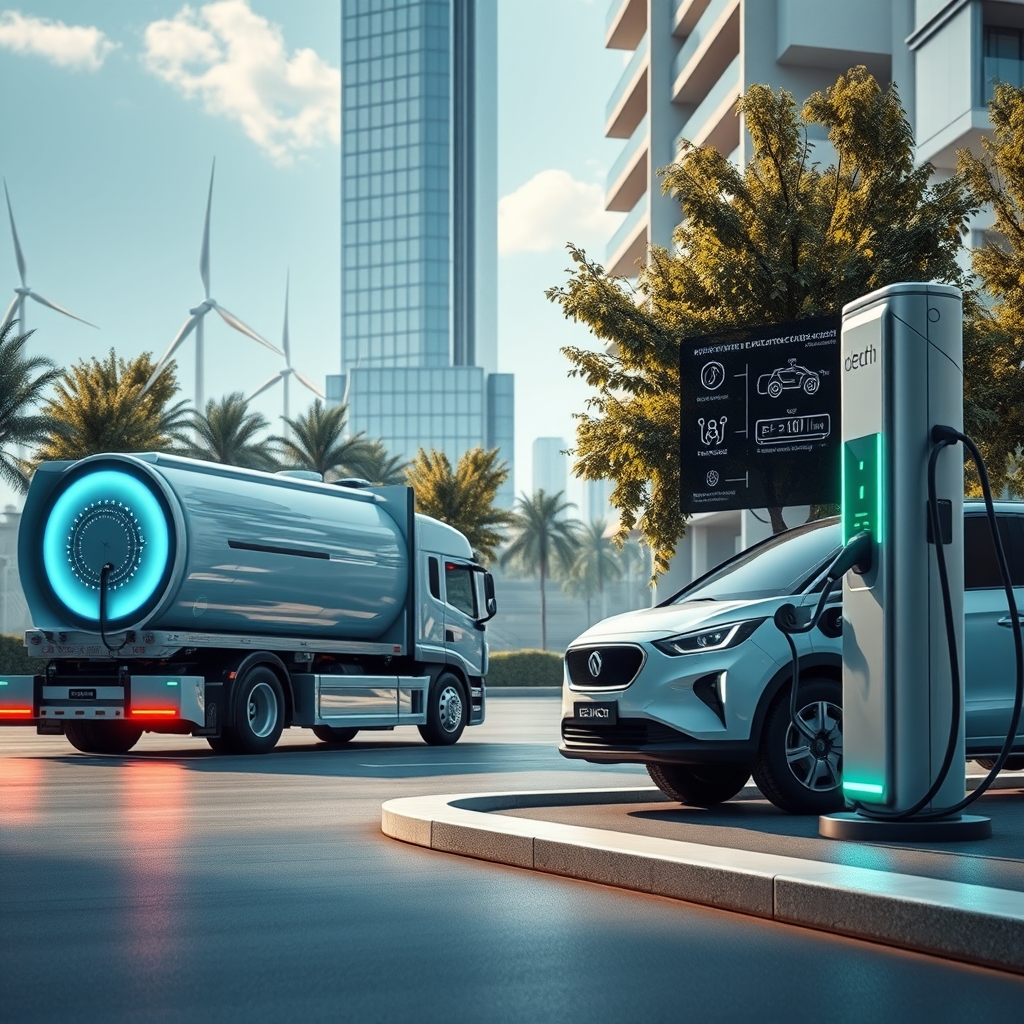
The transportation sector stands at a crossroads, where the urgency of climate action meets the relentless pace of technological innovation. As the world grapples with the need to reduce carbon emissions, two technologies have emerged as frontrunners in the race toward sustainable mobility: hydrogen fuel cells and smart charging infrastructure for electric vehicles. While each offers distinct advantages, their convergence could unlock unprecedented opportunities for zero-emission transportation, reshaping how we power our journeys and interact with energy networks.
The Hydrogen Advantage: Powering the Future with Fuel Cells
Hydrogen fuel cells represent a paradigm shift in how we think about vehicle propulsion. Unlike traditional internal combustion engines or even battery-electric vehicles, fuel cells generate electricity through a chemical reaction between hydrogen and oxygen, producing only water vapor as a byproduct. This process eliminates tailpipe emissions entirely, addressing one of the most pressing challenges of urban air quality and climate change.
One of the most compelling advantages of hydrogen fuel cells is their energy density. Hydrogen contains nearly three times the energy per unit of mass compared to gasoline, making it an ideal candidate for long-haul transportation, heavy-duty trucks, and even maritime and aviation applications. For industries where weight and range are critical factors, such as freight logistics or public transit, fuel cell vehicles (FCVs) offer a practical alternative to battery-electric solutions, which often struggle with payload capacity and charging times.
Moreover, refueling a hydrogen vehicle takes mere minutes, comparable to the experience of filling up a conventional gasoline tank. This convenience factor cannot be overstated, particularly for fleets and commercial operators who cannot afford prolonged downtime. As hydrogen refueling infrastructure expands, the viability of FCVs in everyday applications will only grow, bridging the gap between sustainability and practicality.
Smart Charging: The Backbone of Electric Vehicle Adoption
While hydrogen fuel cells carve out their niche, electric vehicles (EVs) continue to dominate the conversation around zero-emission mobility. However, the widespread adoption of EVs hinges not just on battery technology but on the development of intelligent, adaptive charging infrastructure. Smart charging systems are revolutionizing how EVs integrate with the electrical grid, ensuring that charging is efficient, cost-effective, and sustainable.
At its core, smart charging leverages connected car technology and advanced algorithms to optimize charging schedules based on factors such as energy demand, grid capacity, and renewable energy availability. By dynamically adjusting charging times, these systems can reduce strain on the grid during peak hours, lower electricity costs for consumers, and maximize the use of clean energy sources like solar and wind. This level of integration is essential for scaling EV adoption without overwhelming existing energy infrastructure.
Beyond grid management, smart charging also enhances the user experience. Features like bidirectional charging—where EVs can feed energy back into the grid or power homes during outages—transform vehicles into mobile energy storage units. This capability not only increases the value proposition of EVs but also supports the broader transition to a decentralized, resilient energy ecosystem. As vehicle-to-grid (V2G) technology matures, the line between transportation and energy storage will blur, creating new opportunities for sustainability and energy independence.
The Synergy of Hydrogen and Smart Charging
While hydrogen fuel cells and smart charging are often viewed as competing solutions, their complementary strengths could accelerate the transition to zero-emission mobility. For instance, hydrogen can serve as a clean energy carrier for regions with limited grid capacity or abundant renewable resources, such as wind or solar farms. Excess renewable energy can be used to produce green hydrogen through electrolysis, which can then be stored, transported, and used to power fuel cell vehicles or even generate electricity during periods of high demand.
Meanwhile, smart charging infrastructure can ensure that battery-electric vehicles operate in harmony with the grid, reducing the need for fossil fuel-based peaker plants and lowering overall emissions. Together, these technologies create a flexible, resilient energy network capable of supporting diverse transportation needs—from passenger cars to heavy-duty trucks—without compromising performance or sustainability.
Overcoming Challenges: Infrastructure, Cost, and Public Perception
Despite their promise, both hydrogen fuel cells and smart charging face significant hurdles. For hydrogen, the primary challenge lies in scaling production and distribution infrastructure. While green hydrogen—produced using renewable energy—is the gold standard, most hydrogen today is derived from natural gas, a process that still generates carbon emissions. Building a network of refueling stations and investing in electrolysis technology will require substantial capital and policy support.
Smart charging, on the other hand, depends on widespread adoption of connected car technology and grid modernization. Many regions lack the digital infrastructure needed to support real-time energy management, and concerns about data privacy and cybersecurity could slow progress. Additionally, the upfront costs of smart charging hardware and software may deter some consumers and businesses, despite the long-term savings.
Public perception also plays a critical role. Hydrogen, in particular, suffers from misconceptions about safety and efficiency, while EVs face skepticism over range anxiety and charging accessibility. Education and demonstration projects will be key to dispelling these myths and showcasing the tangible benefits of both technologies.
A Dual Path Forward
The future of sustainable transportation is not a zero-sum game. Rather than pitting hydrogen fuel cells against battery-electric vehicles, the focus should be on leveraging the unique strengths of each technology to create a diverse, resilient mobility ecosystem. Hydrogen excels in applications where energy density and quick refueling are paramount, while smart charging ensures that EVs remain a practical, scalable solution for everyday use.
As governments, industries, and consumers align around the goal of carbon-neutral mobility, collaboration will be essential. Policymakers must incentivize the development of green hydrogen and smart charging infrastructure, while automakers and energy providers work together to standardize technologies and reduce costs. The road to zero-emission mobility is not a single path but a network of interconnected solutions, each playing a vital role in shaping a cleaner, more sustainable future. The choices we make today will determine whether that future arrives sooner rather than later, and whether it delivers on its promise of efficiency, accessibility, and environmental stewardship for generations to come.