Beyond Lithium-Ion: The Race to Power the Next Generation of Zero Emission Vehicles
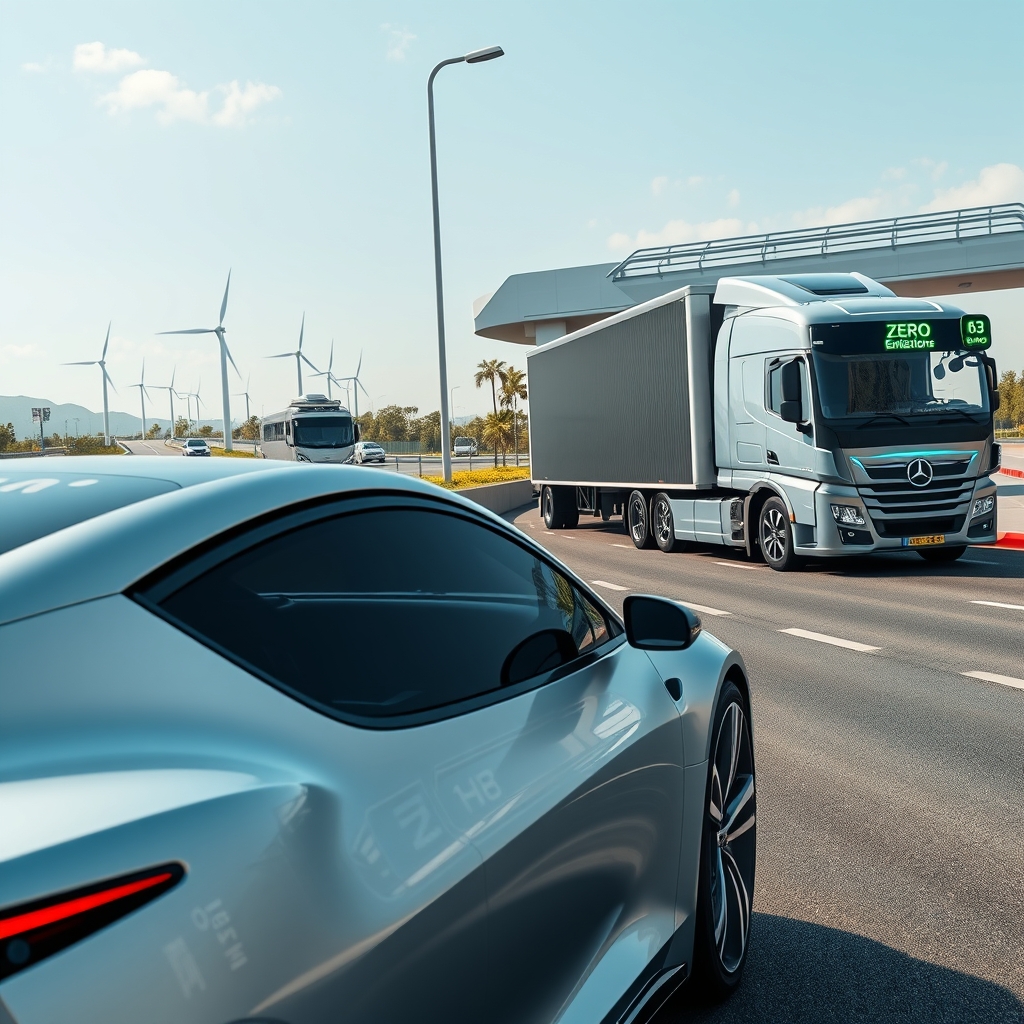
The automotive industry is undergoing a seismic shift, with zero emission vehicles at the forefront of this transformation. While lithium-ion batteries have dominated the conversation—and the market—for the past decade, their limitations in range, charging speed, and resource sustainability are pushing researchers and manufacturers to explore alternatives. The quest for the next breakthrough in energy storage is not just about powering cars; it’s about redefining the future of sustainable transportation itself.
The Promise of Solid State Batteries
Among the most anticipated advancements in battery technology are solid state batteries. Unlike conventional lithium-ion cells, which rely on liquid or gel electrolytes, solid state batteries use a solid electrolyte, offering a host of advantages. These include higher energy density, which could significantly extend the range of electric vehicles (EVs), and improved safety due to reduced risk of thermal runaway—a critical concern for current battery systems. Companies like Toyota, QuantumScape, and Solid Power are racing to commercialize this technology, with prototypes already demonstrating double the energy density of traditional lithium-ion batteries.
However, challenges remain. Manufacturing solid state batteries at scale is complex, and costs are currently prohibitive for mass-market adoption. Yet, the potential is undeniable. If these hurdles can be overcome, solid state batteries could become the gold standard for EVs, enabling faster charging times and longer lifespans while reducing the environmental impact of battery production.
Hydrogen Fuel Cells: A Complementary Path
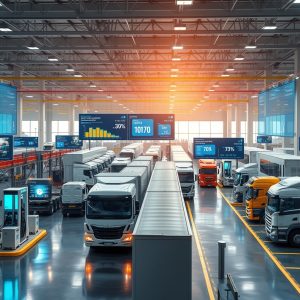
While batteries dominate the passenger vehicle market, hydrogen fuel cells are carving out a niche in heavy-duty and long-haul transportation. Fuel cell electric vehicles (FCEVs) generate electricity through a chemical reaction between hydrogen and oxygen, emitting only water vapor as a byproduct. This makes them an attractive option for applications where battery weight and charging time are limiting factors, such as trucks, buses, and even maritime vessels.
Countries like Japan and Germany are investing heavily in hydrogen infrastructure, with refueling stations popping up along major transit routes. The technology’s scalability is also a major advantage—refueling a hydrogen-powered truck takes minutes, compared to the hours required to recharge a battery-electric equivalent. However, challenges such as hydrogen production costs, storage, and the carbon footprint of current hydrogen sourcing methods must be addressed before FCEVs can achieve widespread adoption.
Synthetic Fuels and the Role of the Internal Combustion Engine
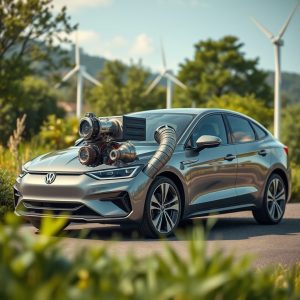
For purists who argue that the internal combustion engine (ICE) still has a role to play in a carbon-neutral future, synthetic fuels offer a compelling compromise. These fuels, produced using renewable energy and captured carbon dioxide, are chemically identical to fossil fuels but emit no net CO2 when burned. Porsche and Siemens are among the companies leading the charge, with pilot projects demonstrating the viability of e-fuels for high-performance and classic vehicles.
While synthetic fuels may not be as efficient as electric powertrains, they provide a bridge for existing ICE vehicles to operate sustainably without requiring costly retrofits or replacements. This could be particularly valuable in regions where EV infrastructure is lacking or for industries reliant on legacy machinery. However, the energy-intensive production process and high costs remain barriers to large-scale adoption.
Hybrid Powertrains: The Transition Technology
As the industry navigates the shift from fossil fuels to zero-emission solutions, hybrid powertrains continue to play a pivotal role. Combining an ICE with an electric motor, hybrids offer improved fuel efficiency and reduced emissions without the range anxiety associated with fully electric vehicles. Advances in turbocharged direct injection and regenerative braking have further enhanced their performance, making them a practical choice for consumers not yet ready to go fully electric.
Plug-in hybrids (PHEVs) take this a step further by allowing drivers to cover short distances on electric power alone, reducing reliance on gasoline. While critics argue that hybrids are a temporary solution, they remain a critical tool in reducing emissions during the transition to a fully electrified future. Automakers like Toyota and Ford continue to refine hybrid technology, ensuring it remains relevant even as battery-electric vehicles gain traction.
The Rise of Smart Charging and Battery Management Systems
Even as new energy storage technologies emerge, optimizing existing systems is equally important. Smart charging infrastructure and advanced battery management systems (BMS) are key to maximizing the efficiency and lifespan of EV batteries. Smart charging leverages AI and real-time data to balance grid demand, reduce costs, and minimize environmental impact. Meanwhile, BMS technology ensures batteries operate within safe parameters, extending their longevity and improving overall vehicle performance.
Companies like Tesla and Rivian are integrating these systems into their vehicles, while startups are developing innovative solutions to enhance battery recycling and second-life applications. As the EV market grows, these technologies will be essential in addressing concerns about battery waste and resource scarcity.
Connected Car Technology and Autonomous Driving Systems
The future of sustainable transportation isn’t just about how vehicles are powered—it’s also about how they’re driven. Connected car technology and autonomous driving systems are reshaping the way we interact with vehicles, promising to reduce traffic congestion, improve safety, and lower emissions. By enabling vehicles to communicate with each other and with infrastructure, these technologies can optimize routes, reduce idle time, and even facilitate car-sharing programs.
Autonomous driving systems, powered by AI and machine learning, have the potential to revolutionize logistics and public transportation. Self-driving trucks could operate around the clock, reducing delivery times and emissions, while autonomous shuttles could provide efficient, on-demand transit in urban areas. However, regulatory hurdles, cybersecurity concerns, and public skepticism remain significant challenges.
The road to a carbon-neutral future is paved with innovation, and the next decade will be defined by the technologies that emerge as leaders in this race. Whether it’s the promise of solid state batteries, the scalability of hydrogen fuel cells, or the transitional role of hybrid powertrains, each advancement brings us closer to a world where mobility is both sustainable and accessible. The choices we make today will determine not just how we drive, but how we live—shaping a future where technology and environmental stewardship go hand in hand.