
Unlocking Hidden Power: The Science Behind Advanced Engine Performance Upgrades
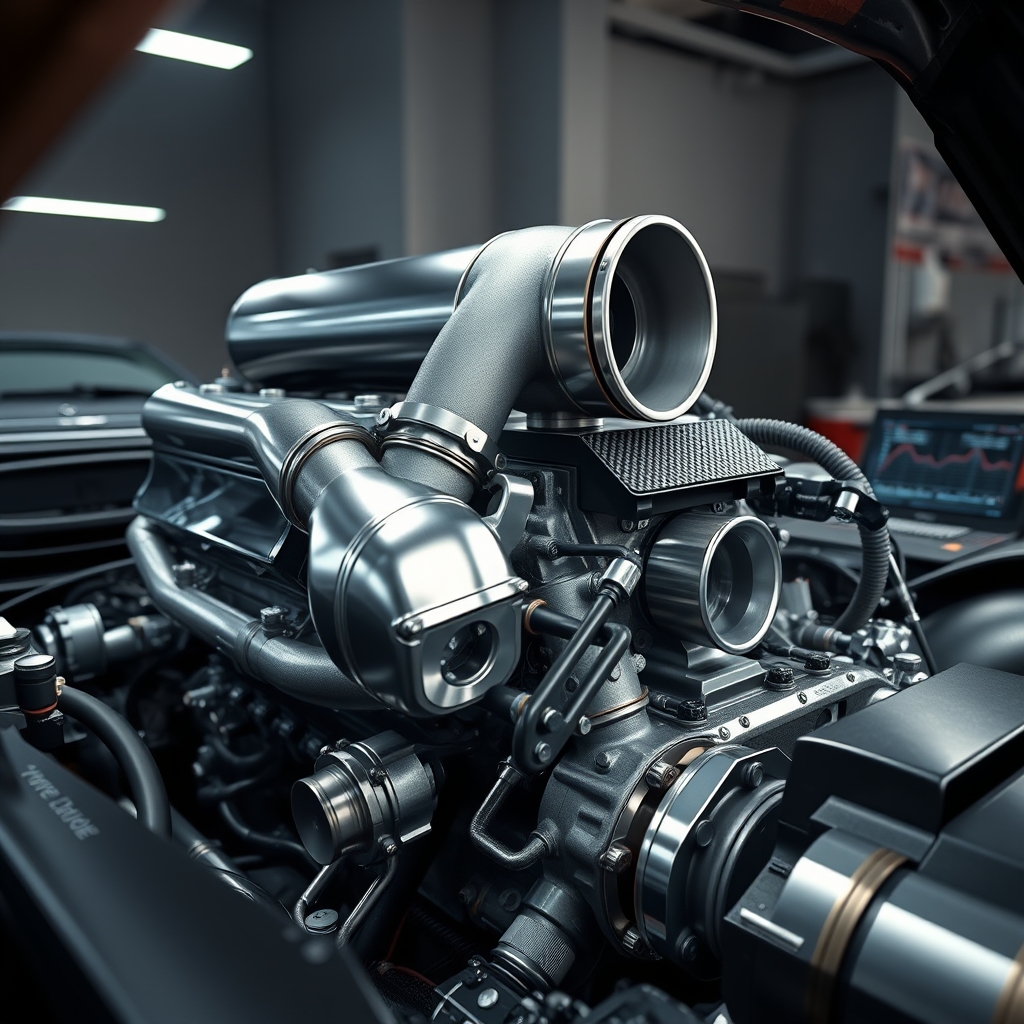
Modern automotive engineering has evolved far beyond the factory specifications of even a decade ago. Enthusiasts and professionals alike are pushing the boundaries of what internal combustion engines can achieve, leveraging cutting-edge technologies to extract every ounce of performance. Whether you’re modifying a daily driver or building a track-focused machine, understanding the science behind these upgrades can mean the difference between a mediocre setup and a high-performance masterpiece.
The Role of Camshaft Profiles in Engine Performance
A performance camshaft profile is one of the most fundamental yet transformative upgrades for any engine. The camshaft controls the opening and closing of the engine’s valves, dictating how much air and fuel enter the combustion chamber and how efficiently exhaust gases are expelled. Stock camshafts are designed for a balance of drivability, emissions compliance, and fuel economy, often sacrificing peak power for broad usability.
Aftermarket camshafts, however, are engineered to optimize valve timing for specific performance goals. A more aggressive profile can increase lift and duration, allowing the engine to breathe more deeply at high RPMs. This results in significant power gains, particularly in naturally aspirated or forced induction setups. However, the trade-off is often a rougher idle and reduced low-end torque, making the choice of camshaft profile critical to the intended use of the vehicle.
Adjustable Cam Gears: Fine-Tuning for Precision
While a performance camshaft provides the foundation, adjustable cam gears allow for fine-tuning of valve timing. These components enable enthusiasts to advance or retard camshaft timing in small increments, optimizing power delivery for specific RPM ranges. For example, advancing the intake cam can improve low-end torque, while retarding it may enhance high-RPM power. This level of precision is invaluable in competitive motorsports, where every fraction of a second counts.
Forced Induction: Twin Scroll Turbochargers and Beyond
Forced induction remains one of the most effective ways to dramatically increase an engine’s power output. Among the various turbocharging technologies, the twin scroll turbocharger stands out for its ability to reduce turbo lag and improve throttle response. Unlike traditional single-scroll turbos, a twin-scroll design separates the exhaust pulses from paired cylinders, minimizing interference and maximizing energy transfer to the turbine wheel.
The result is a more linear power delivery and reduced lag, making twin-scroll turbos a popular choice for high-performance street and track applications. When paired with other upgrades like a high-flow fuel injector and a billet intake manifold, the engine can achieve remarkable efficiency and power gains without sacrificing reliability.
Methanol Injection: Cooling the Combustion Process
Methanol injection kits are another powerful tool in the performance enthusiast’s arsenal. By injecting a fine mist of methanol (often mixed with water) into the intake or directly into the combustion chamber, the system cools the incoming air charge, reducing the risk of detonation and allowing for more aggressive ignition timing. This cooling effect also increases air density, further enhancing power output.
Methanol injection is particularly beneficial in forced induction engines running high boost levels or high-octane racing fuel. It not only improves performance but also acts as a safeguard against engine-damaging knock, making it a popular choice for drag racing and other high-stress applications.
The Importance of Fuel Delivery: High-Flow Injectors and Dual Fuel Injection
As engines are modified to produce more power, their fuel demands increase exponentially. Stock fuel injectors are often the first bottleneck in a high-performance build, unable to deliver the volume of fuel required at higher RPMs. Upgrading to high-flow fuel injectors ensures that the engine receives an adequate supply of fuel, even under extreme conditions.
For even greater flexibility, dual fuel injection systems combine port and direct injection, offering the best of both worlds. Port injection provides excellent atomization and fuel distribution at lower RPMs, while direct injection delivers precise fuel metering at high loads. This hybrid approach is becoming increasingly popular in modern performance builds, particularly those running ethanol fuel blends or synthetic fuel technology.
Electronic Fuel Management: The Brain Behind the Brawn
No performance upgrade is complete without a sophisticated electronic fuel management system. These systems allow for precise control over fuel delivery, ignition timing, and other critical parameters, ensuring that the engine operates at peak efficiency across its entire powerband. Advanced tuning software can adjust for variables like ambient temperature, barometric pressure, and even the specific characteristics of the fuel being used, whether it’s high-octane racing fuel or an ethanol fuel blend.
For engines running flex fuel conversion, electronic fuel management is particularly crucial. It enables the system to detect the ethanol content in the fuel and adjust the air-fuel ratio accordingly, maximizing performance while protecting the engine from potential damage.
Building a Strong Foundation: Forged Piston Assemblies and Billet Components
With great power comes great responsibility—and the need for durability. Stock internals are designed to handle the stresses of daily driving, but they often fail under the extreme conditions of high-performance applications. Forged piston assemblies are a must for any engine producing significant horsepower, as they offer superior strength and resistance to detonation compared to cast pistons.
Similarly, a billet intake manifold provides a smoother, more efficient airflow path than its cast counterpart, reducing turbulence and improving throttle response. When combined with other billet components like connecting rods and crankshafts, the engine gains the structural integrity needed to handle the increased stresses of forced induction, high RPMs, and aggressive camshaft profiles.
The Future of Performance: Hydrogen Combustion and Synthetic Fuels
As the automotive industry shifts toward sustainability, performance enthusiasts are exploring alternative fuels that offer both power and environmental benefits. Hydrogen combustion engines, for example, produce zero carbon emissions while delivering impressive performance. Although still in the experimental stages, hydrogen-powered engines could revolutionize the performance landscape in the coming years.
Synthetic fuel technology is another promising development. These fuels, often derived from renewable sources, can match or exceed the performance of traditional high-octane racing fuels while significantly reducing carbon footprints. For enthusiasts who want to enjoy the thrill of high-performance driving without the environmental guilt, synthetic fuels offer a compelling solution.
Every engine is a complex symphony of components working in harmony, and the right upgrades can transform it into a high-performance machine. Whether you’re chasing horsepower on the track or optimizing efficiency for the street, understanding the science behind these technologies is the first step toward unlocking your engine’s true potential. The journey from stock to extraordinary is not just about bolting on parts—it’s about engineering a system where every component complements the others, creating a balanced, powerful, and reliable driving experience that pushes the limits of what’s possible.