The Fuel Efficiency Frontier: Harnessing Predictive Analytics and Adaptive Workflows for Sustainable Logistics
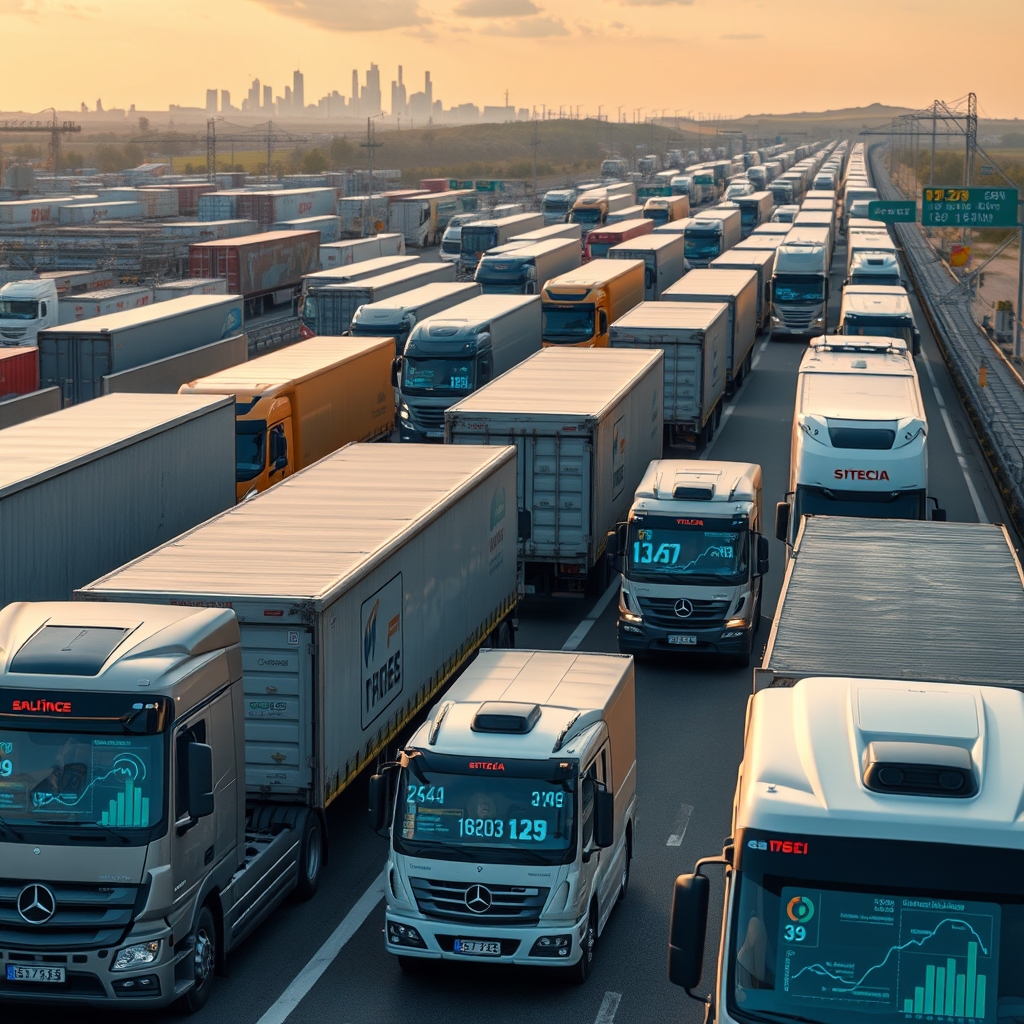
In the ever-evolving landscape of sustainable logistics, the quest for efficient fuel management has become a pivotal area of focus. The integration of predictive analytics and adaptive workflows is not just a trend, but a transformative shift that is redefining the way we approach fuel consumption. This article delves into the intricacies of this shift, exploring how these technologies are unlocking new efficiencies, reducing costs, and promoting a greener future.
The Role of Predictive Analytics in Fuel Management
Predictive analytics is a powerful tool that leverages historical data and machine learning algorithms to predict future outcomes. In the context of fuel management, it can be used to forecast fuel consumption, identify potential inefficiencies, and optimize refueling schedules. By analyzing data from various sources such as vehicle sensors, weather patterns, and driving habits, predictive analytics can provide a comprehensive view of fuel consumption patterns.
Real-Time Consumption Data
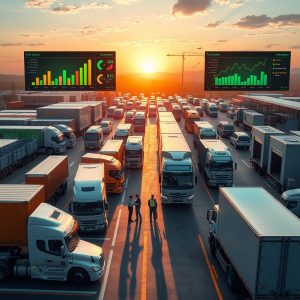
One of the key benefits of predictive analytics is the ability to provide real-time consumption data. This data can be used to monitor fuel usage in real-time, allowing for immediate adjustments to be made. For instance, if a vehicle’s fuel consumption is higher than expected, the driver or fleet manager can take corrective action, such as adjusting the driving style or scheduling a maintenance check.
Optimized Logistics Refueling
Predictive analytics can also be used to optimize logistics refueling. By predicting the exact amount of fuel needed for a specific route or task, it is possible to minimize waste and reduce costs. This is particularly beneficial for large fleets or logistics companies that operate over vast distances. The ability to predict fuel needs accurately can also help in planning for fuel shortages, ensuring that vehicles are never left without fuel.
Adaptive Workflows for Efficient Fuel Management
Adaptive workflows, on the other hand, are designed to respond to changes in real-time. They use a combination of sensors, data analytics, and automation to adjust processes and operations as needed. In the context of fuel management, adaptive workflows can be used to optimize fuel consumption, reduce emissions, and improve overall efficiency.
Intelligent Fuel Monitoring
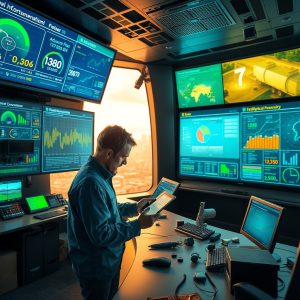
Intelligent fuel monitoring is a key component of adaptive workflows. It involves the use of sensors and data analytics to monitor fuel usage in real-time. This data can be used to identify patterns, detect anomalies, and make adjustments as needed. For example, if a vehicle’s fuel consumption is higher than usual, the system can alert the driver or fleet manager, who can then take corrective action.
Experiential Energy Usage
Adaptive workflows also enable experiential energy usage. This involves the use of data analytics to provide personalized insights and recommendations to drivers. By understanding a driver’s unique habits and preferences, the system can provide tailored advice on how to improve fuel efficiency. This could include recommendations on driving styles, route planning, or maintenance schedules.
The Future of Sustainable Logistics
As we look to the future, the integration of predictive analytics and adaptive workflows is set to play a crucial role in sustainable logistics. These technologies are not only helping to reduce fuel consumption and emissions, but they are also unlocking new efficiencies and cost savings. By providing real-time insights and enabling adaptive responses, they are paving the way for a smarter, greener future.
The journey towards sustainable logistics is a complex one, but with the right tools and strategies, it is a journey that can be navigated successfully. Predictive analytics and adaptive workflows are not just tools, but partners in this journey. They are helping us to understand our fuel consumption patterns, optimize our operations, and make informed decisions. As we continue to harness their power, we can look forward to a future where sustainable logistics is not just a goal, but a reality.